







The Rise of the 'Fourth Meal'
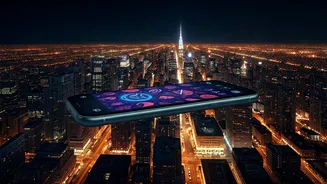
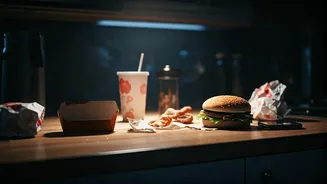
The traditional concept of three meals a day is becoming a relic for a growing number of urban Indians. A new, post-dinner eating occasion, often called the 'fourth meal', has emerged, driven by younger consumers who are staying up later than ever before.
Over the past year, late-night food delivery volumes have doubled, reflecting a significant lifestyle shift. Recent data shows a surge of 12-15% in orders placed between 11 pm and 3 am, a trend amplified by events like the FIFA World Cup but rooted in more permanent changes. This isn't just happening in metros like Bengaluru and Mumbai; tier-2 and tier-3 cities like Surat and Patna are also seeing a robust increase in late-night ordering, signaling a nationwide phenomenon.
Why Young India is Staying Awake
What’s keeping the younger generation up? It's a combination of factors. The rise of streaming platforms has made binge-watching a national pastime, often extending deep into the night. Flexible work schedules, the gig economy, and late-night study sessions for students also contribute to a more nocturnal lifestyle. Social media scrolling and online gaming are other major reasons for delayed bedtimes. This cultural shift means millions of young consumers are awake, online, and hungry during hours that were previously a dead zone for commerce. For Gen Z and millennials, the distinction between day and night is blurring, and their consumption habits are blurring with it.
How Delivery Giants are Adapting
Food delivery platforms are racing to capitalize on this round-the-clock demand. Companies like Swiggy and Zomato are no longer just daytime services; they are becoming 24/7 convenience partners. They are actively encouraging this behavior by sending late-night notifications and creating dedicated 'midnight cravings' sections on their apps. Major fast-food chains have also extended their hours. About 20% of McDonald's outlets in key northern cities now operate until 3 am, and Domino's has also pushed its closing times later. To make this work, platforms are also relying on quick-commerce 'dark stores' that operate 24/7, supplying everything from ice cream to frozen snacks, with demand for such items spiking by up to 40% during late hours.
The Rise of the Cloud Kitchen
This late-night boom has been a massive opportunity for cloud kitchens—restaurants that operate solely for delivery. Without the high overheads of a traditional dine-in restaurant, these kitchens are perfectly positioned to cater to the post-midnight crowd. They can operate with leaner staff and focus entirely on preparing orders for a wider delivery radius, which platforms often extend at night due to emptier roads. For many of these digital-first brands, late-night sales can account for 15-25% of their total orders, making it a highly profitable segment. This model allows for greater agility, enabling them to test menus and adapt quickly to the specific cravings of the late-night audience.
The Human Cost of Convenience
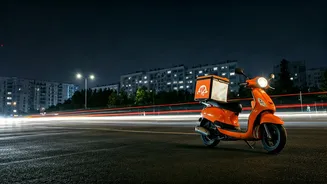
While the late-night economy offers new revenue streams, it also presents significant challenges for the gig workers who make it possible. Delivery riders working the late shift face unique pressures. While some prefer the cooler temperatures and emptier roads, the risks are higher, including concerns about road safety. Logistical hurdles also mean there is limited rider availability at odd hours, which can lead to longer delivery times. The pay and working conditions for these riders remain a critical concern. Many work long hours for modest incomes, bearing the costs of fuel and vehicle maintenance themselves, highlighting the human element that powers this on-demand world.