






Fortifying Your Home: Before the Rains Hit
A secure home is the first line of defence against the monsoon's intensity. Begin by inspecting your roof and walls for any cracks or leaks that could allow water to seep in. Pay special attention to terraces, parapet walls, and chajjas. It's crucial
to clean out all drains, gutters, and downpipes to prevent blockages and waterlogging on your roof or balcony. Trim any overgrown tree branches that hang over your house, as they can break and cause damage during strong winds. Check that window and door seals are intact to keep rain from being driven inside. For wooden frames that tend to swell and jam, a light sanding can help, while a fresh coat of paint on metal frames can prevent rust. It’s also wise to check that all electrical wiring is secure and not exposed to potential moisture.
Stocking Up: Your Home Emergency Kit
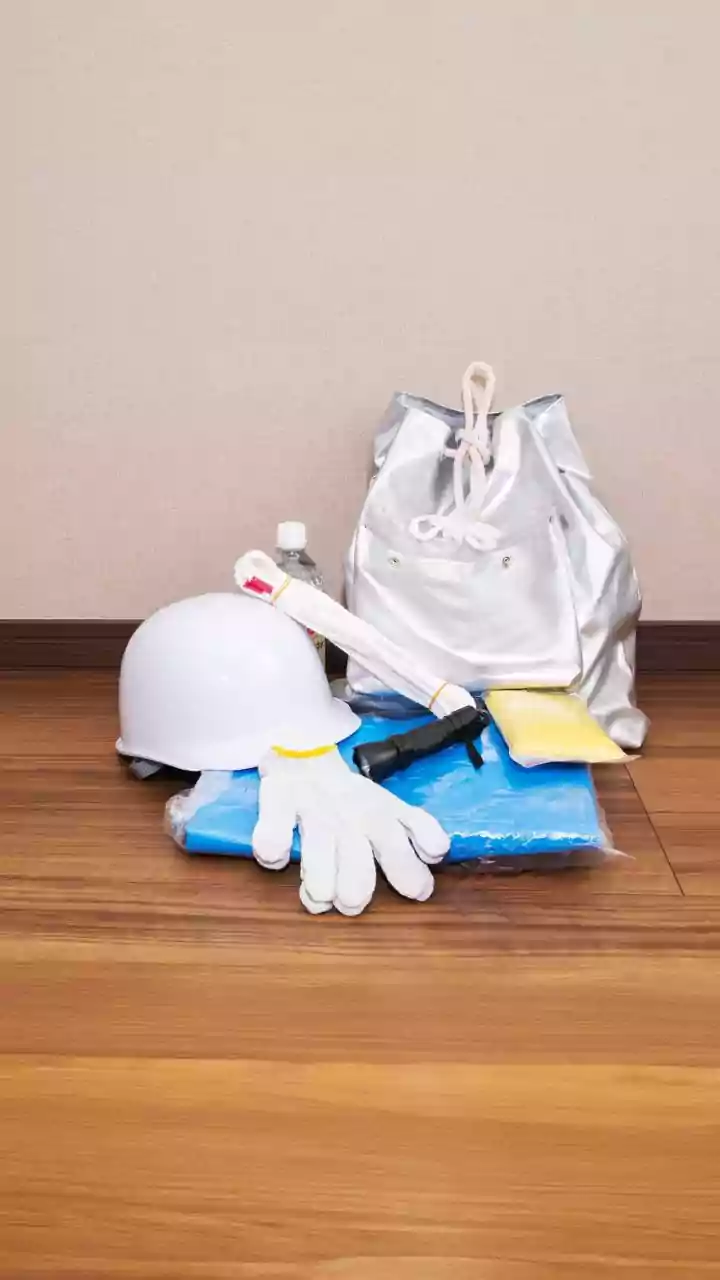
Power cuts are a common feature of the monsoon season. Prepare an emergency kit with essentials. This should include battery-operated torches with extra batteries, candles, and a fully charged power bank for your mobile phones. Test any inverters or emergency lights beforehand. Store a supply of drinking water and non-perishable food that requires no cooking. Keep a first-aid kit ready with antiseptic lotions, bandages, and any regular medications your family needs. To protect your valuable electronics from voltage fluctuations and lightning, unplug them during heavy storms or use a good quality surge protector. Finally, keep important documents like property papers and identification in waterproof bags.
Health and Hygiene: Preventing Monsoon Ailments
The monsoon season brings a higher risk of water-borne and vector-borne diseases like dengue, malaria, typhoid, and gastroenteritis. The most critical step is to ensure you drink only boiled or filtered water. Avoid eating street food, as it can be easily contaminated. Prevent mosquitoes from breeding by emptying any stagnant water in and around your home, including in flowerpots, coolers, and old tyres. Use mosquito repellents and sleep under a net if possible. High humidity can also lead to fungal skin infections, so it's important to keep your skin dry and change out of wet clothes as soon as possible. Always wash your hands thoroughly with soap before meals and after coming in from outside.
The Commuter's Kit: Essential Gear for Your Journey
Commuting during the monsoon can be a challenge, but the right gear makes a significant difference. A sturdy umbrella and a reliable raincoat are non-negotiable. For those on two-wheelers, a raincoat is often more practical. Protect your electronics and important documents by using a waterproof backpack or, at the very least, keeping them inside waterproof pouches or zip-lock bags. Carry a fully charged power bank, as traffic jams and public transport delays are common. It's also a good idea to have some cash on hand, as digital payment systems can be unreliable during network disruptions. A small, quick-drying towel and an extra pair of socks can provide immense comfort after an unexpected drenching.
Navigating the Journey: Tips for Safe Travel
Before you even step out, check the weather forecast and traffic updates for your route. If you drive, ensure your vehicle is monsoon-ready: check your tyre tread, brakes, and wipers. Drive slowly, maintain a safe distance from the vehicle ahead, and never drive through waterlogged areas where you cannot judge the depth—hidden potholes or open manholes are a serious hazard. For pedestrians, stick to sidewalks and be extremely cautious of slippery surfaces. When using public transport, try to monitor delays using tracking apps and avoid overcrowded trains or buses if possible. Many commuters find it helpful to wear waterproof footwear like Crocs or sandals for the journey and change into work shoes at the office. Keeping a spare set of clothes at your workplace is another pro-tip for staying comfortable.