





Why Sweat Is More Than Just Water
Sweating is your body's primary way to cool down, especially when humidity prevents sweat from evaporating quickly. But the fluid that beads on your skin isn't just water. It contains crucial minerals known as electrolytes, with sodium being the most
significant one. Sodium is vital for maintaining fluid balance, nerve function, and muscle contractions. Every litre of sweat can contain anywhere from a few hundred milligrams to over 2,000 milligrams of sodium, depending on your genetics and activity level. For most people, a moderate workout might mean losing up to a gram or more of sodium per hour.
The Danger of Drinking Only Water
When you're intensely thirsty after sweating, reaching for plain water seems like the obvious solution. However, if you've lost a significant amount of salt, drinking excessive amounts of water can be counterproductive and even dangerous. This can lead to a condition called hyponatremia, where the sodium level in your blood becomes dangerously diluted. The body responds by trying to excrete more water, which can worsen dehydration. Symptoms of low sodium include nausea, headaches, confusion, fatigue, and muscle cramps. True hydration isn't just about replacing fluid; it's about restoring balance.
Recognise the Signs of Salt Loss
Your body often tells you what it needs. If you find yourself craving salty foods after being in the heat, it's a good indicator you need to replenish sodium. Other tell-tale signs include sweat that stings your eyes or leaves white, chalky streaks on your dark clothing after it dries. Paying attention to these signals is the first step in preventing the more severe symptoms of electrolyte imbalance, like dizziness or muscle weakness. For most people in normal conditions, a balanced diet is enough to replace lost sodium. But during periods of heavy sweating in humid weather, you may need to be more intentional.
Smart Ways to Replenish with Food
Before reaching for a special drink, look to your kitchen. Many everyday foods are excellent sources of electrolytes. A balanced meal can often do the trick. Good options include salted nuts, seeds, and pickles. Dairy products like buttermilk (chaas) or salted lassi are traditional and effective choices. Even a simple snack of a banana, which provides potassium, paired with a handful of salted peanuts can help restore balance. Incorporating foods with high water content, like cucumber and watermelon, can also aid in overall hydration.
Hydration Solutions You Can Drink
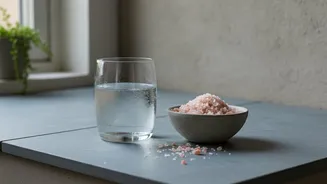
For rapid replenishment, especially during or after intense activity, a dedicated hydration drink is useful. A simple and effective homemade solution, often called an Oral Rehydration Solution (ORS), can be made by mixing six teaspoons of sugar and half a teaspoon of salt into one litre of clean water. The sugar helps your body absorb the sodium and water more efficiently. Coconut water is another excellent natural option, as it contains potassium and some sodium. While commercial sports drinks can be effective, check the label for sugar content, as some contain very high amounts.