





A New Philosophy: Beauty from the Inside Out
The Indian beauty market is undergoing a seismic shift. Consumers are no longer just buying products; they are embracing a philosophy where beauty is a reflection of overall health. This holistic approach, deeply rooted in traditions like Ayurveda, suggests
that outer radiance is a direct result of inner balance. As a result, the market is seeing a surge in products and services that connect what we put in our bodies to how we look and feel. This shift from surface-level application to systemic health is redefining what a beauty routine even means in modern India.
The Gut-Skin Axis Takes Centre Stage
One of the most significant trends is the growing focus on the gut-skin connection. Consumers are increasingly aware that issues like acne, dullness, and inflammation can be linked to gut imbalances. This has fueled a boom in nutricosmetics—supplements, functional foods, and beverages designed to nourish the skin from within. Brands are launching everything from collagen powders to probiotic drinks, positioning them as essential steps in a comprehensive beauty regimen. The conversation has moved from simply covering up blemishes to addressing their root causes through nutrition and internal wellness.
Wellness as the New Foundation
The link between mental well-being and appearance is also gaining widespread recognition. Stress is now seen as a major factor in skin and hair problems, leading consumers to seek holistic solutions. This has opened the door for wellness practices to become part of the beauty routine. Think sleep-enhancing products, calming aromatherapy, and meditation apps, all framed as tools for achieving a healthy glow. The Indian wellness market, valued at over $150 billion in 2024, is merging with the beauty industry, creating a new super-category where self-care is the ultimate beauty ritual.
Inclusivity Finally Becomes a Core Value
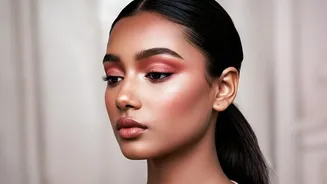
For too long, the Indian beauty industry promoted a singular, often fair-skinned, ideal. That is changing rapidly. A new wave of homegrown brands is championing inclusivity, celebrating the diversity of Indian skin tones, body types, and identities. Brands like FAE Beauty, Kay Beauty, and Simply Nam are launching foundation ranges with dozens of shades tailored for Indian undertones and featuring unedited imagery in their marketing. This move towards authenticity rejects unrealistic standards and instead empowers consumers to embrace their unique selves. Some brands are even introducing disability-friendly packaging, making products more accessible to everyone.
Breaking Taboos with Sexual Wellness
Perhaps the most telling sign of this expanded definition of beauty is the mainstreaming of sexual wellness. Once a taboo topic, sexual health and pleasure are now being integrated into the broader conversation about well-being. Quick-commerce apps deliver pleasure products discreetly, while an increasing number of startups are destigmatizing the category. The Indian sexual wellness market is projected to reach over $2 billion by 2030. This reflects a major cultural shift, where personal pleasure and sexual health are recognized as vital components of a happy, healthy life—and by extension, a part of holistic beauty.
The Gen Z Effect
This entire transformation is being driven by a new generation of consumers: Gen Z. Digitally native and socially aware, they demand transparency, authenticity, and efficacy from brands. They research ingredients, follow influencer recommendations, and are quick to support brands that align with their values. Their spending power and influence are forcing the industry to evolve. In response, a fresh crop of direct-to-consumer (D2C) entrepreneurs are building agile, culturally fluent brands that speak directly to this conscious consumer, leaving legacy companies scrambling to keep up.