






Embrace Light, Cooked Vegetables
During the monsoon, the digestive system can become sluggish. Nutritionists recommend opting for vegetables that are light and easy to digest. Seasonal gourds like bottle gourd (lauki), ridge gourd (turai), and bitter gourd (karela) are excellent choices.
These vegetables are not only easy on the stomach but are also rich in essential nutrients and water content. Bitter gourd, in particular, is valued for its antiviral and antibacterial properties, which can help protect against common monsoon infections. It is best to consume vegetables well-cooked, either steamed or in soups, rather than raw, to minimise the risk of water-borne contamination which is higher during this season.
Power Up With Immunity-Boosting Spices
Indian kitchens are a treasure trove of spices that double as potent immunity boosters. Turmeric, ginger, and garlic are particularly beneficial during the monsoon. Turmeric contains curcumin, a compound with powerful anti-inflammatory and antioxidant properties that help strengthen the body's defenses. Ginger is known to aid digestion and soothe an upset stomach, a common complaint during the rains. Garlic contains allicin, which has natural antibacterial and antiviral effects, offering a shield against infections. Incorporating these spices into your daily dals, curries, and soups is an easy way to leverage their health benefits.
Choose Seasonal Fruits Wisely
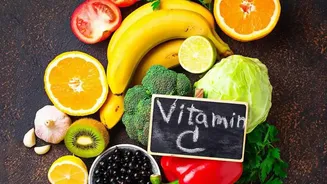
While it's tempting to consume all kinds of fruits, the monsoon calls for careful selection. Seasonal fruits like jamun (Indian blackberry), pears, plums, and pomegranates are highly recommended. Jamun is rich in vitamin C and iron, which help boost immunity and support digestive health. Pears and pomegranates are packed with antioxidants and fibre, aiding digestion and strengthening the body’s natural defences. It is crucial to wash all fruits thoroughly before eating. Experts also advise against consuming pre-cut fruits sold by street vendors, as they carry a higher risk of contamination in the humid weather.
Opt for Light Pulses and Grains
Heavy meals can tax the digestive system during the monsoon. Shifting to lighter grains and pulses can make a significant difference. Moong dal is widely recommended because it is one of the most easily digestible lentils, providing a good source of protein without being heavy on the stomach. Khichdi, a simple dish made from rice and moong dal, is considered an ideal monsoon meal as it's nourishing, comforting, and easy to digest. Other good options include whole grains like barley and millets, which offer sustained energy and essential nutrients.
Stay Hydrated with Warm Fluids
While staying hydrated is always important, the choice of beverage matters more during the monsoon. Instead of cold drinks, which can dampen the digestive fire, opt for warm fluids. Herbal teas made with ginger, tulsi (holy basil), or black pepper can help boost immunity and soothe the throat. Warm vegetable or lentil soups are another excellent way to stay hydrated while getting a dose of essential nutrients. It's also imperative to drink boiled or filtered water to prevent waterborne diseases that are prevalent during this season.
Include Probiotics and Healthy Fats
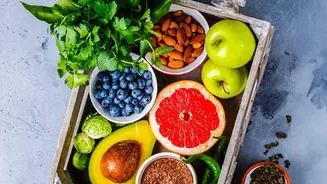
A healthy gut is the foundation of a strong immune system. Including probiotics in your diet can support gut health. Fresh, homemade curd or yoghurt is a great source of beneficial bacteria. It is best consumed during the daytime. Additionally, a moderate intake of nuts and seeds like almonds, walnuts, and pumpkin seeds provides healthy fats, vitamin E, and zinc. These nutrients are essential for supporting immune cell function and keeping inflammation in check. A small handful daily makes for a nutritious snack, helping you avoid less healthy fried alternatives.