



From Porridge to Pizza
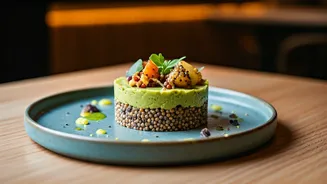
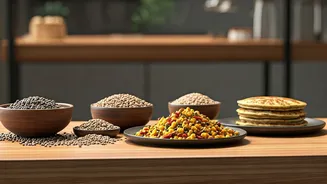
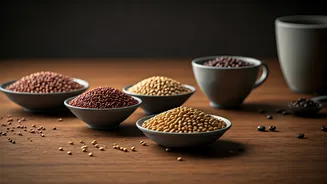
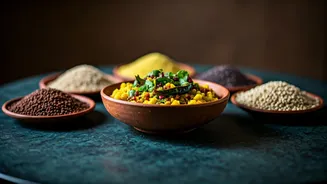
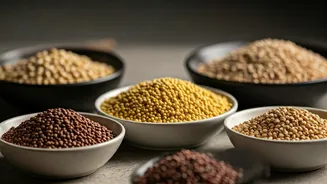
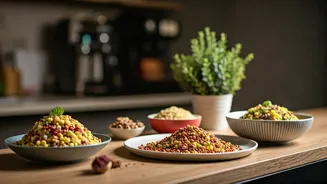
The millet glow-up is real, and it’s delicious. Cafes across India are transforming these humble grains into dishes that are both Instagram-worthy and deeply satisfying. Think crispy ragi vada pav, fluffy millet pancakes drizzled with honey, and even
jowar-based pizza crusts and pasta. It's a culinary renaissance where chefs are creatively integrating millets into modern formats that appeal to a younger, more experimental palate. Establishments like Greenr Café in Delhi are crafting plant-forward, millet-based menus with dishes like barnyard millet bowls, while Café Lota offers regional twists like ragi momos and bajra chilla. Even comfort foods are getting a nutritious makeover, with chefs like Vikas Chawla creating millet-based chaat, pakodas, and Moradabadi Dal with ragi mathri at his Chandigarh restaurant, Jhumroo. The innovation extends to millet crepes, risottos, and burgers, proving the versatility of these grains beyond simple porridge or roti.
The ‘Cool-Health’ Factor
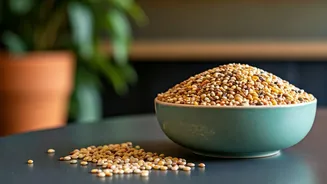
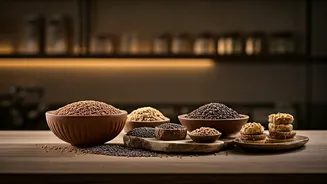
This trend is driven by more than just novelty. For Gen Z and millennials, 'healthy' is no longer about calorie-counting but about nutrient density, gut health, and holistic wellness. Millets tick all the right boxes. They are naturally gluten-free, rich in protein and fibre, and packed with essential minerals like iron, calcium, and magnesium. With a low glycemic index, they provide sustained energy without the crash associated with refined grains, making them ideal for managing blood sugar levels. A recent NielsenIQ report highlighted that the soaring popularity of low-calorie snacks in India is driven by a rising interest in millets, aligning with the health-conscious preferences of Gen Z. This generation is drawn to foods that offer tangible benefits, and the nutritional profile of millets fits perfectly into their mindful eating ethos.
Sustainable and Smart
Beyond personal health, the appeal of millets is deeply connected to environmental consciousness. Younger consumers are increasingly aware of the ecological footprint of their food choices. Millets are climate-resilient superfoods. They are hardy crops that require significantly less water than rice and wheat and can thrive in poor soil with minimal need for fertilisers or pesticides. This makes them an incredibly sustainable option in a world facing water scarcity and climate change. By choosing millet-based dishes, consumers are not just making a healthy choice for themselves but also supporting a more sustainable agricultural system and local farmers. This alignment of health and sustainability is a powerful driver of the trend, making millets a food that feels good to eat in every sense.
The Global Spotlight
The trend didn't appear in a vacuum. The United Nations declaring 2023 as the 'International Year of Millets,' following a proposal by India, played a crucial role in bringing these grains into the global spotlight. This initiative spurred government campaigns, chef-led promotions, and a renewed interest from the food industry. Restaurants and hotel chains like ITC Hotels began curating special millet-centric menus, incorporating the grain into Indian, Asian, and Western cuisines to reintroduce it to diners. This top-down push created a wave of awareness and availability, which innovative cafes and food entrepreneurs then harnessed, translating the hype into tangible, tasty menu items that are now capturing the imagination of a new generation.