




Choosing a fitness routine you'll actually stick with means finding something you both enjoy and that aligns with your goals. Enter Zumba and Barre: two popular, yet fundamentally different, workouts. So, which one is right for you?
The Vibe: Dance Party vs. Ballet Studio
The atmosphere of a class
is a huge part of the experience. A Zumba class feels like a party. Set to energetic Latin and international music, the focus is on high-energy fun and letting loose. The instructor often uses non-verbal cues, and the group energy is infectious. It’s a social, spirited environment where the goal is to keep moving and have a good time. Barre, on the other hand, is more focused and controlled. Inspired by ballet, Pilates, and yoga, the vibe is calmer and more precise. While there's upbeat music, the focus is internal, concentrating on form and small, specific muscle movements. The atmosphere is one of quiet determination as you work muscles to the point of fatigue.
The Workout: What to Expect
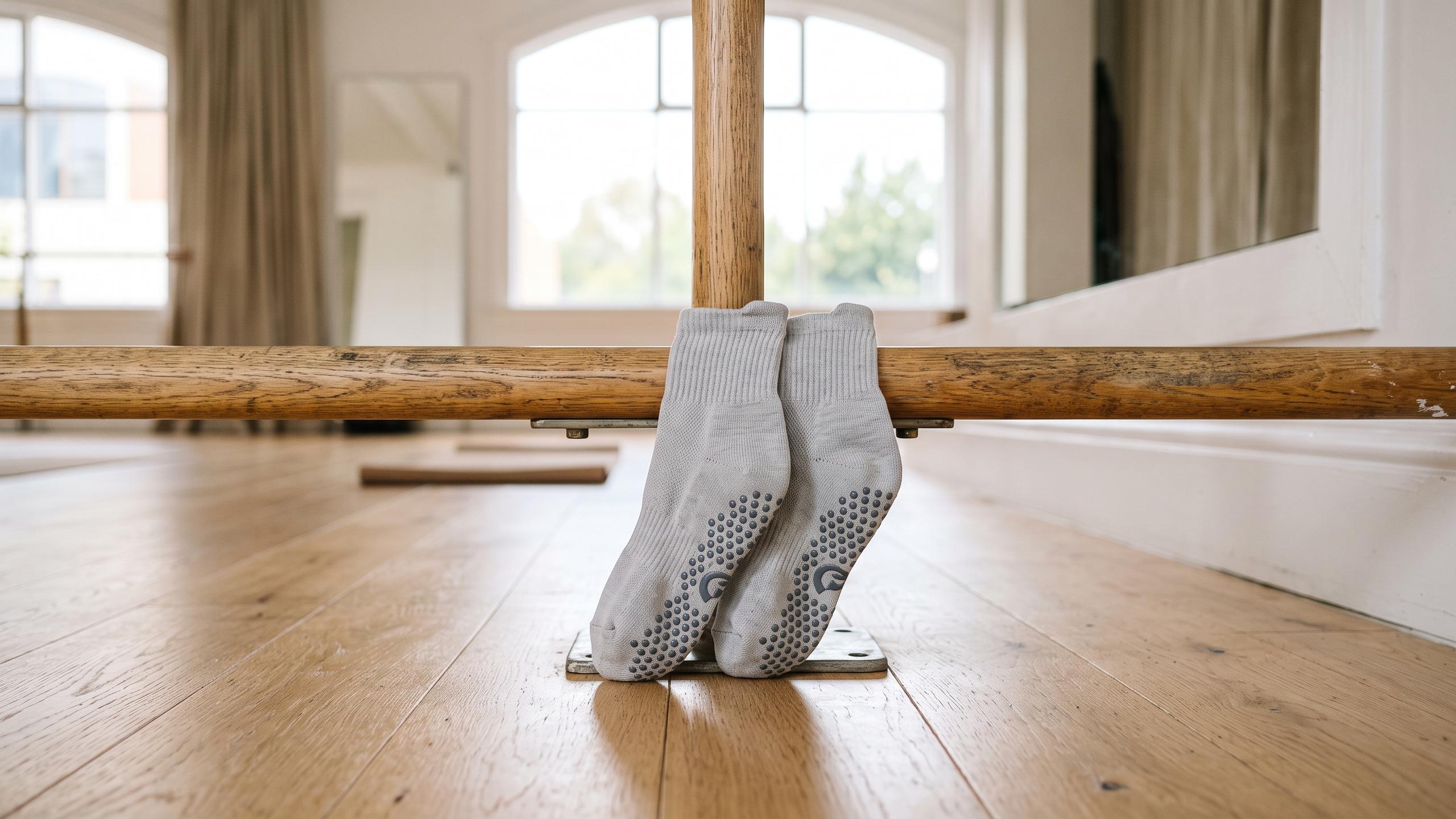
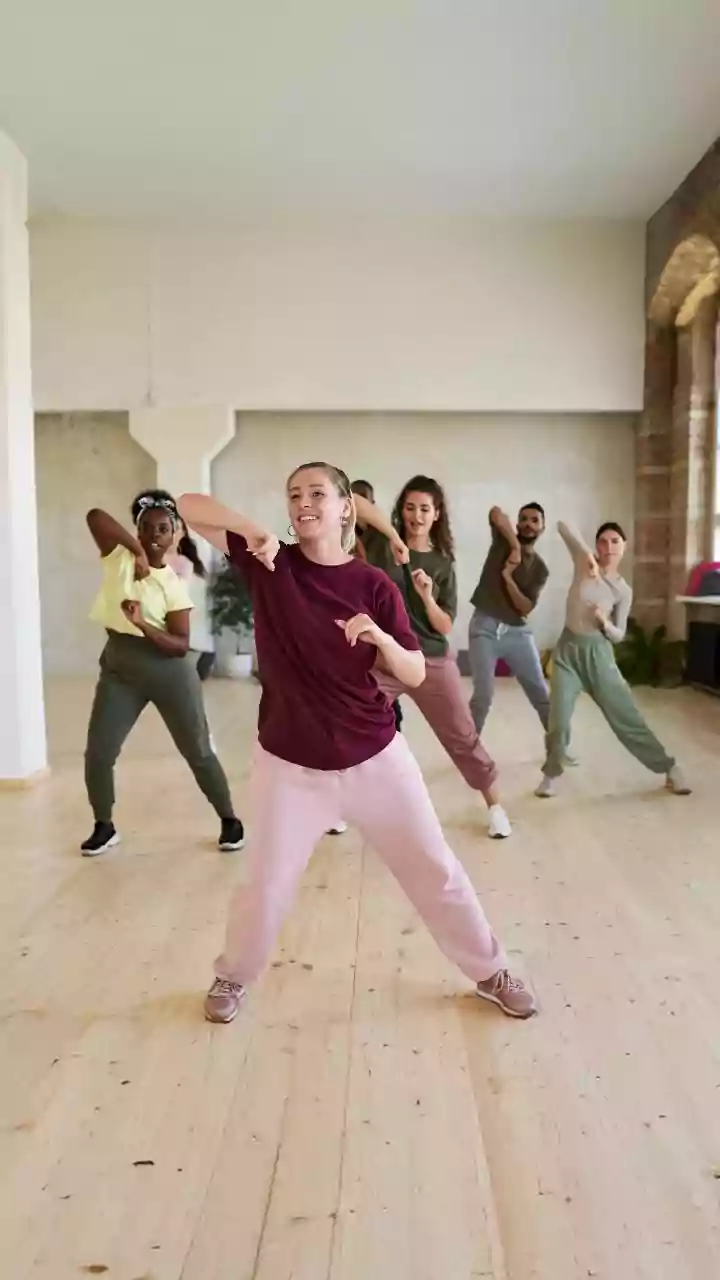
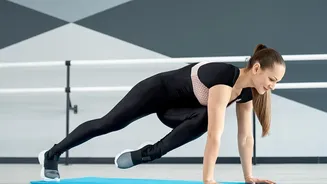
In a typical hour-long Zumba class, you'll follow an instructor through choreographed dance routines. The class is structured as an interval workout, alternating between fast-paced, high-intensity songs and slower-paced tracks to help you recover. The moves are drawn from styles like salsa, merengue, and hip-hop, creating a full-body cardio session. A Barre class, also typically an hour, focuses on low-impact, high-repetition movements. After a warm-up, you'll use a stationary barre for balance while performing a series of small, isometric movements—like pulses, lifts, and holds—designed to fatigue specific muscle groups in the legs and glutes. The class also incorporates light weights for the upper body and mat work for the core.
The Goal: High-Calorie Burn or Muscle Sculpting
Your primary fitness goal is a key factor. Zumba is a cardio powerhouse. Its continuous, high-energy dance moves are excellent for cardiovascular health and burning calories. Depending on the intensity, you can burn anywhere from 350 to 650 calories in a one-hour class, making it a strong choice for weight loss. Barre excels at building muscular endurance and tone. The small, controlled movements isolate and work muscles to exhaustion, creating long, lean muscle without bulk. While it burns fewer calories per session than Zumba, Barre is highly effective for sculpting the glutes, thighs, and core and can boost your metabolism over time by building lean muscle mass.
The Impact: Joint Health and Flexibility
Barre is a decidedly low impact workout. There is no jumping or jarring movement, which makes it gentle on the joints, particularly the knees and back. This makes it an excellent option for those with joint sensitivities, recovering from an injury, or seeking to improve posture. The exercises and stretches also significantly improve flexibility. Zumba is generally considered higher impact due to its dance steps, jumps, and quick movements. However, it can be modified for lower impact, and there are even specialised classes like Aqua Zumba or Zumba Gold for those needing a gentler option. While it improves coordination and flexibility, its primary strength isn't posture improvement.
The Mind-'Body' Connection
Both workouts engage the mind,' but in different ways.' Zumba is about boosting your mood and releasing stress through joyful,' expressive movement.' The fun,' party-'like atmosphere is a proven mood-'lifter,' releasing endorphins and creating a sense of community.' It’s an escape where you can get lost in the music.' Barre requires a different kind of mental engagement:' focus and concentration.' You have to connect your mind to your body to execute the small,' precise movements correctly and maintain proper form.' This creates a strong sense of body awareness and control,' similar to the mindfulness found in yoga and Pilates.