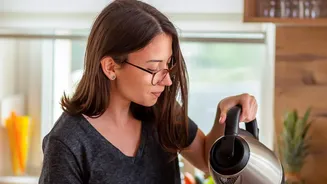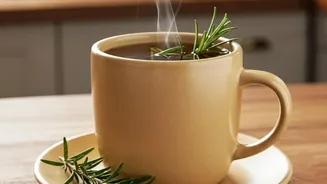


The shared student kitchen: a place of culinary experiments, late-night chats, and perpetual chaos. But this hub of activity, with its constant steam and heat, can be a nightmare for keeping your favourite tea fresh and flavourful.
Why Steam Is the Enemy of Good Tea
To understand how to
protect your tea, it helps to know what you're fighting against. Tea leaves are highly absorbent and sensitive to their environment. The main culprits that degrade tea are air (oxygen), light, strong odours, heat, and moisture. Steam from a boiling pot of pasta or a constantly running kettle introduces both heat and moisture into the air. When delicate, dry tea leaves are exposed to this humid environment, they begin to absorb the moisture. This process can ruin tea in several ways. It kick-starts oxidation, which breaks down the flavour compounds that make each tea unique, leading to a flat or stale taste. Excess moisture can also cause the tea to taste muddy and, in worst-case scenarios, can even lead to mould growth. Keeping tea in the cabinet directly above the stove might be convenient, but it's one of the worst spots for storage.
The Golden Rules of Tea Storage
The ideal storage environment for tea is the complete opposite of the area around a stove: cool, dark, dry, and airtight. 'Airtight' is the most critical rule. An airtight container prevents oxygen and moisture from getting in and stops the tea's natural aroma from getting out. It also protects the tea from absorbing other strong smells, a common issue in a kitchen filled with spices, coffee, and cooking fumes. Tea should also be shielded from light, as UV rays can cause chemical compounds in the leaves to disintegrate, creating a metallic taste over time. This means clear glass jars are only a good option if you plan to store them inside a dark cupboard or pantry. Finally, a cool, stable temperature helps preserve the tea's flavour for much longer. Black and oolong teas can last for a year or two under these conditions, while more delicate green teas should be consumed within about six months.
Choosing the Right Container
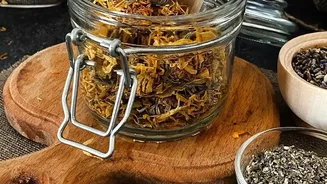
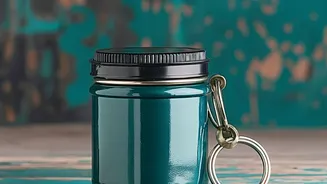
You don't need to spend a fortune to get proper tea storage. The key is an effective seal. Look for containers with clamp lids and rubber gaskets, screw-top lids, or double-lid systems often found in metal tea caddies. Good budget-friendly options include: ceramic jars with sealed lids, stainless steel canisters, and opaque or tinted glass jars. While resealable pouches are decent for short-term storage, transferring your tea to a rigid, airtight container is best for long-term freshness. Avoid using old plastic containers, as they can retain odours from previous contents and transfer them to your tea. If you buy tea in bulk to save money, consider a two-container system: keep the bulk of your tea in a large, well-sealed container stored away from the kitchen, and use a smaller tin for daily access to minimize air exposure for the entire batch.
Smart Storage Spots in a Shared Kitchen
Finding a cool, dark, and dry spot in a cramped student kitchen requires a bit of creativity. The first step is to get your tea away from any heat source. This includes the stove, oven, dishwasher, and even the top of the refrigerator, which often releases heat. Look for a high-up cupboard on a wall far from the cooking area. A pantry, if you have one, is an excellent choice. If kitchen space is truly at a premium, don't be afraid to think outside the box. A dry, dark shelf in your own bedroom closet or on a bookshelf can be the perfect place to ensure your tea stays pristine, away from the kitchen's humidity and fluctuating temperatures. This also has the added benefit of keeping your prized collection safe from well-meaning but uninitiated housemates.
Maximizing Limited Space
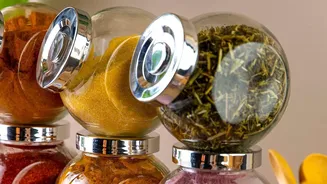
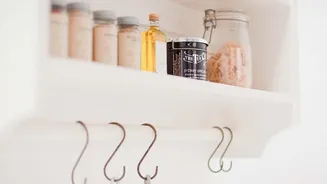
In a shared living situation, every inch of storage counts. To make the most of your designated cupboard or shelf, think vertically. Use stackable, airtight containers to store different types of tea. Labeling everything clearly not only helps you find what you're looking for but also reduces the chances of a housemate accidentally using your expensive single-origin oolong for a batch of iced tea. Using the back of a cabinet door is another great space-saving hack. You can install small racks or hooks to hold smaller tea tins or packets, freeing up valuable shelf space for other essentials. By being strategic about containers and location, you can carve out a safe haven for your tea collection, no matter how small or chaotic your kitchen is.