


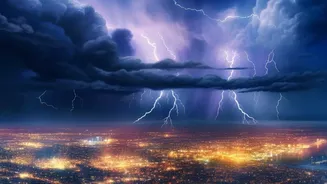


Understanding the Monsoon Threat
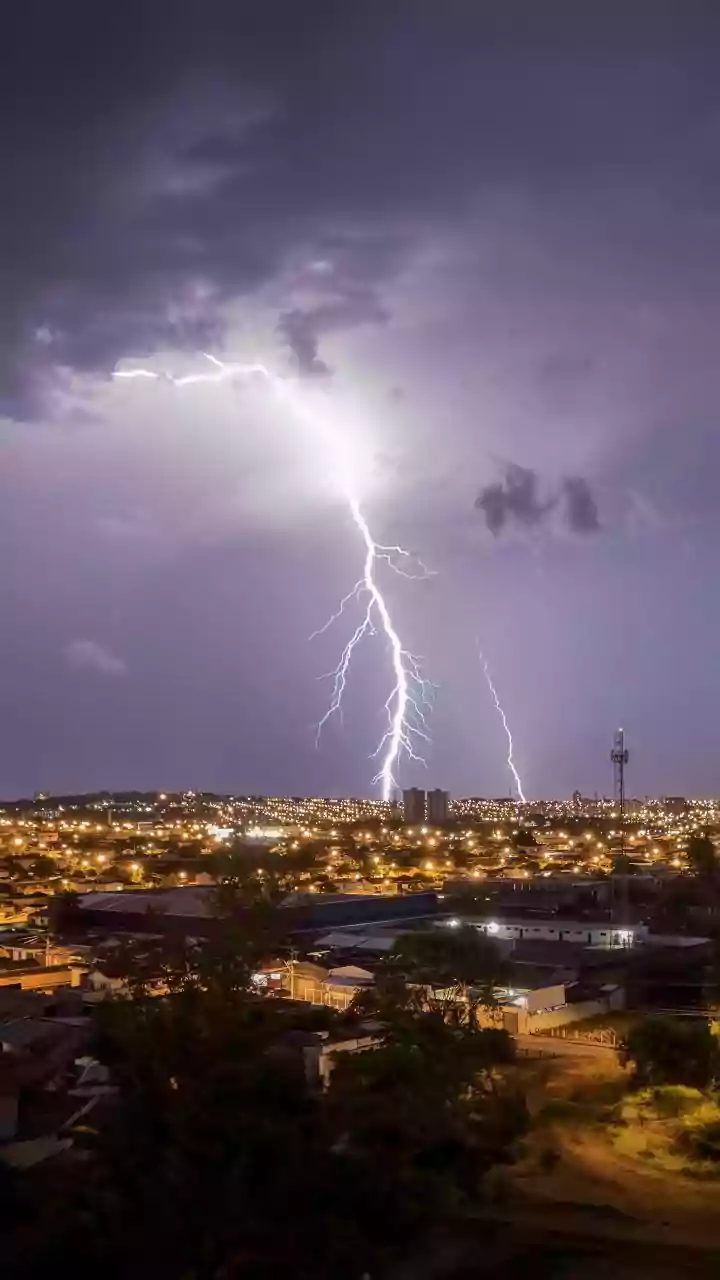
A power surge is a sudden, brief spike in your home's electrical voltage. During the monsoon, these are common for several reasons. Lightning strikes, even those a distance away, can send a massive amount of electricity through power lines and into your home.
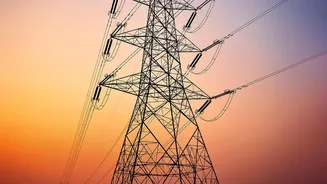
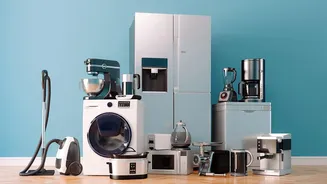
Additionally, high winds can cause power lines to touch or trees to fall on them, leading to faults. When the power company restores electricity after an outage, the initial rush of power can also create a damaging surge. These events, lasting mere microseconds, can be powerful enough to fry the sensitive electronic circuits inside modern appliances like smart TVs, computers, and refrigerators, leading to costly repairs or replacements.
The First Line of Defence: Unplugging
The most effective and completely free method to protect your electronics is also the simplest: unplug them. During a heavy thunderstorm, especially if you notice lights flickering, it's wise to disconnect non-essential but valuable appliances like your television, gaming console, and computers. This is the only guaranteed way to ensure a surge cannot reach your devices. Making it a habit to unplug this equipment when you leave for work or travel during the monsoon season provides an added layer of protection against unexpected storms and power fluctuations.
Surge Protectors: The Essential Shield
For times when unplugging isn't practical, a good quality surge protector is your next best defence. It's crucial to understand that not all power strips are surge protectors. A basic power strip just gives you more outlets, but a surge protector contains components that absorb and divert excess voltage away from your connected devices. When buying one, look for its 'joule' rating—a higher number means it can absorb more energy and offer better protection. Many experts recommend a rating of over 1,000 joules for valuable electronics. Also, look for indicator lights that confirm the protector is working and that your wiring is properly grounded.
UPS: For Uninterrupted Critical Work
For critical devices like your Wi-Fi router and personal computer, a power surge is only half the problem; a sudden shutdown is the other. An Uninterruptible Power Supply (UPS) solves both issues. A UPS is essentially a device with a built-in battery. Your devices plug into the UPS, which in turn plugs into the wall. It provides surge protection while also instantly switching to battery power the moment the electricity cuts out. This gives you enough time to save your work and shut down your computer properly, and can keep your internet running for a while during a short outage.
Voltage Stabilizers: For Large Appliances
While surges are high-voltage spikes, monsoons also bring low voltage and constant fluctuations (sags and swells). These are particularly harmful to appliances with motors, like refrigerators and air conditioners. This is where a voltage stabilizer comes in. Unlike a surge protector, which only acts on sudden spikes, a stabilizer continuously monitors the incoming voltage and adjusts it to a safe level for your appliance. If the voltage is too low, it boosts it; if it's too high, it reduces it. For large, expensive appliances common in Indian homes, a dedicated stabilizer is a wise investment to protect their compressors and ensure a longer life.
Home-Level Checks for Total Protection
Beyond individual devices, ensuring your home's core electrical system is sound is vital. Before the monsoon, have an electrician check your home's wiring for any signs of wear, especially if it's an older property. Ensure you have proper earthing (grounding), which is essential for surge protectors and safety devices to work correctly. For comprehensive, hassle-free protection, you can also consider installing a whole-home surge protector at your main electrical panel. This device acts as a gatekeeper, stopping most major external surges from ever entering your home's wiring in the first place, protecting all your outlets simultaneously.