





The Drainage Check
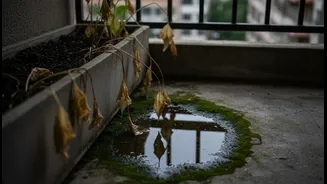
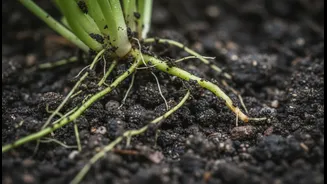
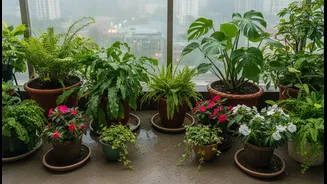
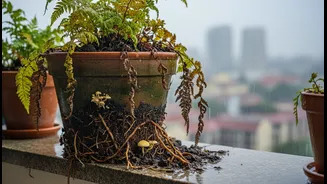
The most immediate danger after heavy rain is waterlogged soil. Unlike plants in the ground, balcony pots have limited drainage. When soil stays saturated, it pushes out oxygen, suffocating roots and creating a perfect environment for root rot. Your morning
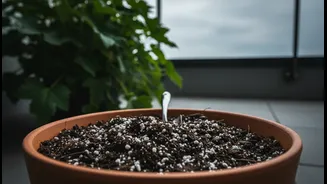
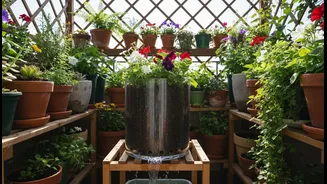
check should start here. Lift the pot; does it feel unusually heavy? Look at the saucer; is it full of water? If so, empty it immediately. Tilt larger pots to help excess water drain out. Blocked drainage holes are a common culprit. If water isn't escaping, gently clear the hole with a stick. Some experts recommend elevating pots on feet or bricks to ensure water can always escape freely.
Spotting Signs of Distress
Plants often show their discomfort through their leaves. A common sign of overwatering is wilting or drooping leaves, even though the soil is wet. This seems contradictory, but it happens because the waterlogged roots can no longer function properly to absorb water. You may also notice lower leaves turning yellow and then brown before dropping off. In severe cases, the base of the plant stem might feel soft or mushy, which is a clear sign that rot has set in. A sour or rotten smell from the soil also indicates that the roots are in trouble.
Inspecting for Pests and Diseases
Wet and humid conditions are an open invitation for fungal diseases and pests. Splashing rain can spread fungal spores from the soil onto the lower leaves of your plants. Look for signs like powdery white mildew, black or brown spots on leaves (leaf spot), or orange-coloured rust spots. Promptly remove any affected leaves to prevent the disease from spreading. Also, inspect for pests like slugs and aphids, which are more active after rain. Improving air circulation by pruning some lower leaves or creating space between pots can help foliage dry faster and reduce the risk of infection.
Assessing Physical Damage
Heavy rain and wind can be rough on delicate plants. Check for snapped branches, torn leaves, or flowers that have been beaten down. Use clean pruning shears to snip off any damaged parts neatly. This not only improves the plant's appearance but also prevents the dying parts from rotting and potentially introducing disease. It also encourages the plant to put its energy into new, healthy growth. For top-heavy or tall plants, you may need to provide support by staking them to prevent them from breaking in future storms.
The Nutrient Washout Problem
Constant, heavy rain can do more than just overwater; it can also wash away, or 'leach', essential nutrients from the potting soil. Nutrients like nitrogen are particularly vulnerable to being flushed out of containers. This can lead to yellowing leaves and stunted growth, even after the soil has dried out. After a prolonged wet spell, once the soil begins to dry, it's a good idea to replenish these lost nutrients. Wait for the soil to dry partially, then apply a balanced liquid fertiliser or a slow-release granular one to help your plants recover and regain their vitality.