






The Gold Standard: Understanding Whey Protein
For decades, whey protein has been the undisputed champion in the fitness world. Derived from milk during the cheesemaking process, it's celebrated for being a 'complete' protein. This means it contains all nine essential amino acids (EAAs) that the body
cannot produce on its own. Whey's popularity stems from its rapid absorption and high concentration of branched-chain amino acids (BCAAs), particularly leucine. This makes it highly effective for kickstarting muscle protein synthesis, the process of repairing and rebuilding muscle fibres, especially after a workout. Its high bioavailability means the body can efficiently absorb and use the amino acids, making it a reliable and convenient choice for athletes and gym-goers alike.
The Plant-Based Contenders Arrive
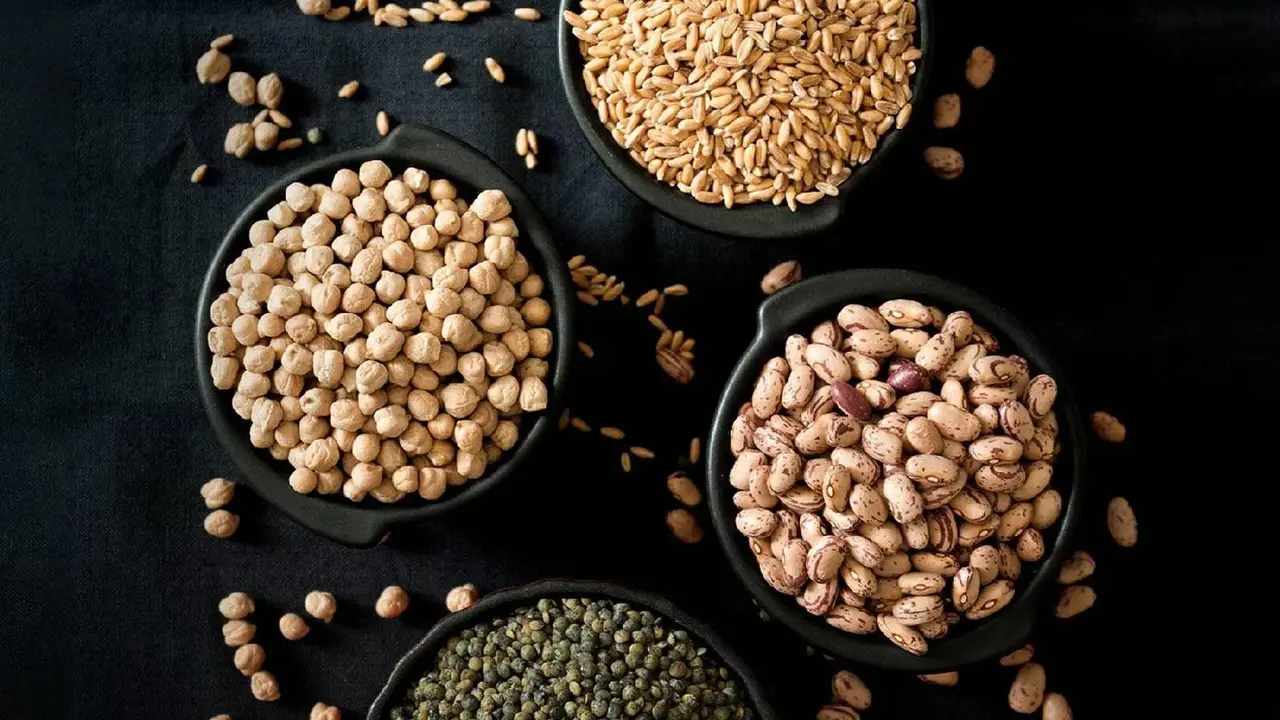
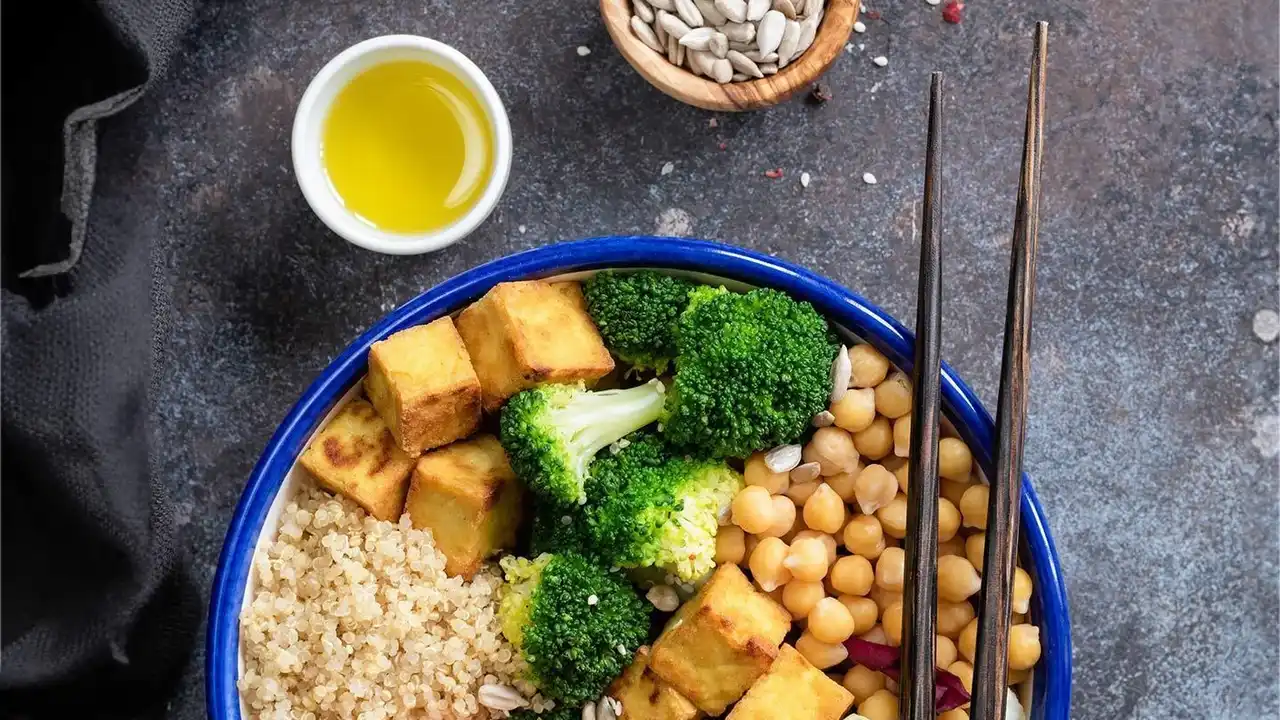
Driven by dietary choices, ethical concerns, and digestive sensitivities, plant-based proteins have surged in popularity. Powders derived from soy, peas, brown rice, and hemp are now mainstream alternatives. Unlike whey, most individual plant proteins are considered 'incomplete', meaning they are low in one or more essential amino acids. For example, pea protein is lower in methionine, while rice protein is lower in lysine. However, this is easily solved by creating protein blends. Many products now combine complementary plant sources, like pea and rice protein, to create a complete amino acid profile that rivals animal-based proteins.
Leucine: The Muscle-Building Trigger
When the goal is building muscle, one amino acid stands out: leucine. Leucine acts as the primary signal that tells your muscles to start rebuilding and growing. This is where whey has a natural advantage, as it generally contains a higher concentration of leucine per serving than most plant-based proteins. A typical serving of whey might offer around 2.5 to 3 grams of leucine, which is considered an optimal amount to trigger muscle synthesis. While plant proteins have less leucine on a gram-for-gram basis, studies show they can be just as effective at building muscle, provided the total protein intake is sufficient to deliver a similar amount of leucine. This might mean using a slightly larger scoop of plant protein or choosing a blend specifically fortified to be higher in leucine.
The Verdict on Muscle Growth
So, can plant proteins build muscle as effectively as whey? The scientific consensus is increasingly leaning toward yes, with some caveats. Multiple studies comparing whey to plant-based options like pea and soy protein have found similar improvements in muscle thickness, strength, and body composition when participants consumed equivalent amounts of total protein. While some research suggests whey stimulates muscle protein synthesis more rapidly right after consumption, long-term studies often show no significant difference in overall muscle and strength gains between the two groups. The key is ensuring adequate protein and leucine intake, regardless of the source. Blended plant proteins are particularly effective at mimicking whey's anabolic properties.
Beyond Muscle: Other Factors to Consider
Your choice of protein powder isn't just about muscle. Digestion plays a huge role. Whey protein contains lactose, which can cause bloating and discomfort for individuals with sensitivity or intolerance. Plant-based proteins are naturally lactose-free, making them a gentler option for many. Furthermore, plant proteins often come with added benefits like dietary fiber, which supports gut health, and a range of antioxidants and micronutrients. Whey protein digests very quickly, which is great post-workout, while plant proteins tend to digest more slowly, which can promote a longer feeling of fullness.