






The Reality of Rising Costs
There’s no denying it: the grocery bill is climbing. Recent data shows that food inflation continues to be a concern across India. Food inflation rose to 5.95 percent in August 2026. This pressure is felt most in the kitchen, with staples like pulses,
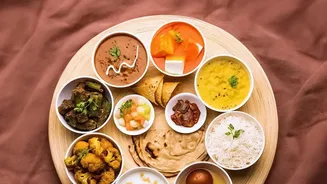
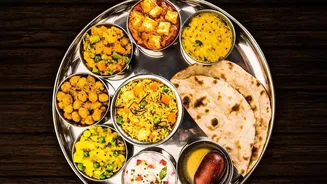
cooking oils, milk, and certain vegetables seeing price fluctuations. Items central to festival cooking, such as ginger and onions, have also seen sharp price increases at various points. This trend means that the cost of preparing traditional festival feasts—from savoury snacks to decadent sweets—is noticeably higher than in previous years, forcing families to think more carefully about their food budgets.
Plan Your Menu Like a Pro
The single best defence against rising costs is planning. Instead of deciding on dishes at the last minute, sit down with your family and create a realistic festival menu well in advance. Identify the absolute must-have dishes that feel essential to your tradition, and then look for areas where you can simplify. A menu with five show-stopping dishes is often more memorable and manageable than one with fifteen. Plan meals that might use overlapping ingredients to reduce waste. This simple act of planning prevents impulse buys and allows you to build a precise shopping list, which is your most powerful tool at the market.
Shop Smarter, Not Harder
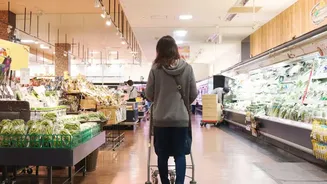
Once you have your list, it's time to shop strategically. For non-perishable items like lentils, flour, sugar, and spices, consider buying in bulk from wholesale markets, which can offer significant savings over local kirana stores. For fresh produce like vegetables and milk, buying from local vendors can be more economical than supermarkets. Timing is also key. Don't wait until the day before the festival to buy everything. Purchase shelf-stable ingredients a few weeks ahead to avoid the last-minute price surge that often accompanies high-demand periods. Keep an eye out for deals and discounts, but be disciplined—a bargain is only a bargain if it’s on your list.
Embrace Clever Ingredient Swaps
Preserving the taste of tradition doesn't always require the exact same ingredients. Small, smart substitutions can lead to big savings. For instance, if the price of a specific vegetable like cauliflower is high, consider using a more affordable seasonal alternative like pumpkin or bottle gourd in your curry. When making sweets, you can sometimes supplement sugar with jaggery, which can be more economical. If pure ghee prices are steep, consider using it judiciously for flavour in key dishes while using a more budget-friendly oil for general frying. The goal isn't to compromise on flavour, but to be flexible and creative.
DIY Is Almost Always Cheaper
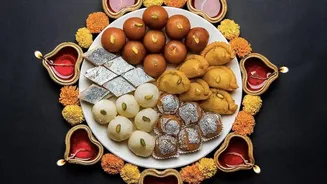
The convenience of store-bought sweets and snacks is tempting, but it comes at a premium. This year, bring the festival preparations back into your own kitchen. Making mithai like ladoos or barfis at home is significantly cheaper than buying them from a shop. The same goes for savoury snacks like samosas, mathri, and chakli. This approach not only saves money but also adds a personal touch to your celebration. Cooking together as a family can become a cherished part of the festival itself, creating memories that are more valuable than any store-bought item.
Share the Load with Potlucks
The spirit of community is at the heart of every Indian festival. Why not extend that to the food? Instead of one household bearing the entire financial and logistical burden of a large feast, consider organizing a potluck with close family and friends. Each family can be responsible for bringing one signature dish. This not only distributes the cost but also reduces the workload on the host and ensures a wonderful variety of food for everyone to enjoy. It’s a modern, practical solution that strengthens bonds and makes celebrating together more sustainable for everyone's wallet.