



Sweet Corn (Bhutta)
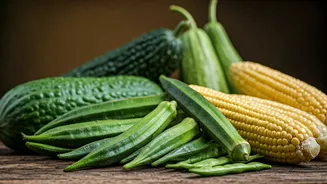
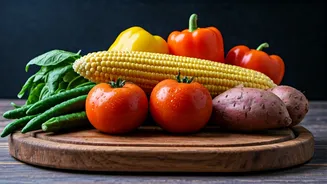
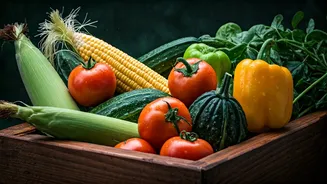
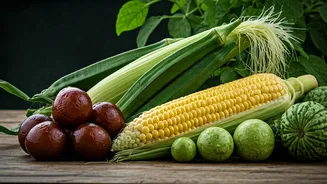
There's an almost primal connection between the smell of rain-soaked earth and the smoky aroma of a roasting cob of corn. It’s no coincidence. The monsoon is the peak season for fresh corn in India, and this timing is everything. The increased water availability
makes the kernels plump, juicy, and incredibly sweet. The starches have had less time to convert to sugar in drier, hotter weather, resulting in a tender bite that bursts with flavour. This is why a simple roadside bhutta, charred over coals and rubbed with lemon, salt, and chilli, becomes an essential monsoon experience. The natural sweetness of the corn provides the perfect canvas for the tangy, spicy, and salty notes of the masala, creating a symphony of flavours that feels tailor-made for a cool, rainy day.
Cauliflower (Gobi)
While available year-round, cauliflower undergoes a magical transformation during the cooler, wetter months. The intense summer heat can cause cauliflower to become bitter and its florets to loosen. The monsoon's milder temperatures, however, encourage the heads to grow dense and compact, with a distinctly sweeter, nuttier flavour. This improved texture and taste make it the perfect candidate for a host of beloved rainy-day dishes. Think of crispy Gobi Pakoras, their crunchy coating giving way to a tender, flavourful interior, served with a side of hot chai. Or consider the Indo-Chinese classic, Gobi Manchurian, where the cauliflower’s ability to soak up the spicy, tangy sauce without turning to mush is at its best during this season. Its newfound robustness makes it a star ingredient rather than just a filler.
Okra (Bhindi)
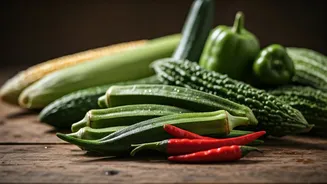
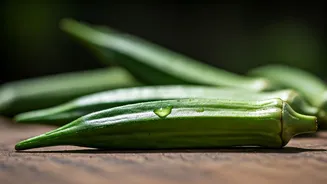
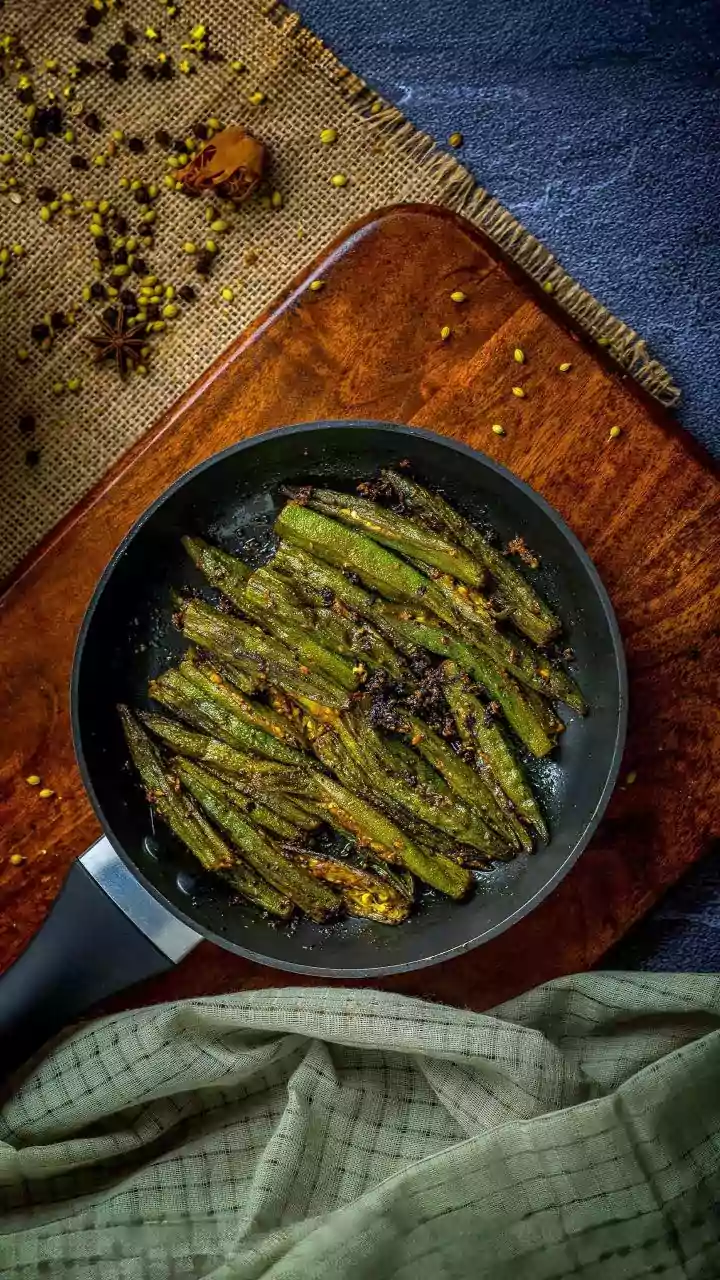
For many, okra’s slimy texture can be a major deterrent. But the monsoon offers a solution. While it might seem counterintuitive, the vegetable harvested during this season often has a crisper texture. The high humidity doesn't seem to affect its internal structure as much, and when cooked correctly, it shines. The key is in the preparation, which is why dishes like 'Kurkuri Bhindi' (crispy okra) are so popular during the rains. Sliced thinly, coated in spices and chickpea flour, and then deep-fried to a satisfying crunch, the sliminess vanishes, leaving behind an addictive, savoury snack. This preparation works best with the fresh, tender pods available during this time. The monsoon-harvested bhindi holds its shape better, making it the perfect hero for a dish that celebrates texture as much as taste.
Spinach (Palak)
Leafy greens often flourish in cooler, wetter conditions, and spinach is a prime example. The harsh sun can make spinach leaves tough and bitter. But the gentler climate of the monsoon yields leaves that are exceptionally tender, vibrant, and have a milder, more pleasant flavour. This makes them ideal for dishes where the spinach itself is the star. Fresh, tender palak leaves are perfect for whipping up a batch of Palak Pakoras, where the leaves are dipped in a spiced batter and fried until crisp. The minimal bitterness means the earthy, green flavour of the spinach comes through beautifully. It’s also the perfect time to make comforting Palak Paneer or a hearty dal palak, where the spinach melts into the dish, lending its nutrients and a subtle, wholesome taste that feels deeply nourishing on a grey day.
Bottle Gourd (Lauki/Doodhi)
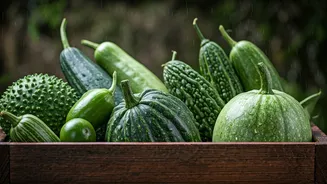
Often unfairly dismissed as bland, the bottle gourd truly comes into its own during the monsoon. This is its natural growing season, and the fresh, young gourds harvested during this time are remarkably tender and have a higher water content. This makes them incredibly soft when cooked and gives them a subtle sweetness that is often missing in off-season produce. Its mild flavour profile becomes an asset, as it acts like a sponge, soaking up the flavours of the spices it’s cooked with. This is why a simple Lauki ki Sabzi or a comforting Lauki Chana Dal tastes so much better during the rains. The gourd doesn’t just add bulk; it adds a silky, melt-in-your-mouth texture that elevates the entire dish. It's the ultimate comfort vegetable for a season that craves warmth and simplicity.