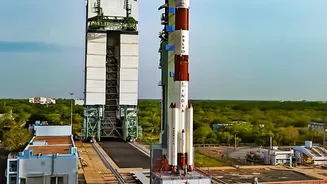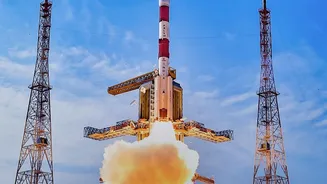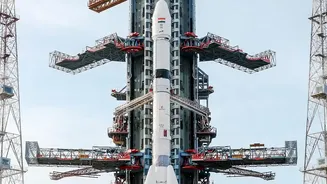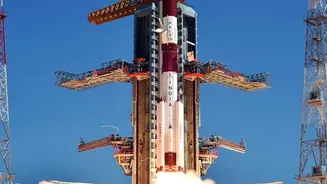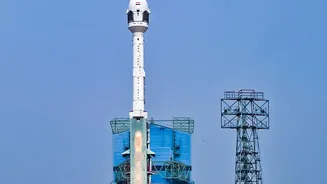




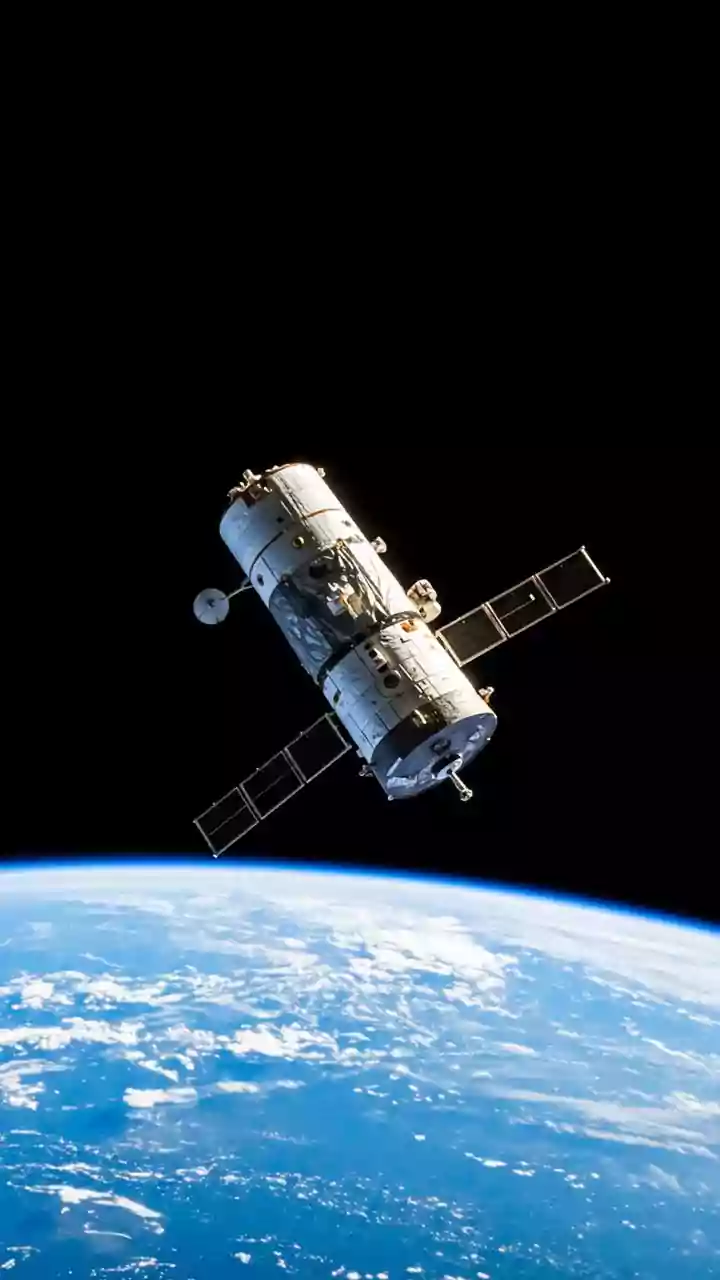
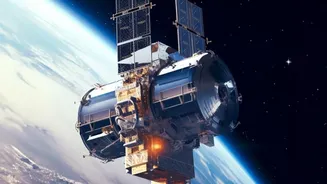
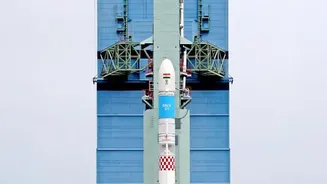

India's journey towards technological self-reliance is set to take another leap forward as the nation's space program prepares for the next satellite launch to bolster its indigenous regional navigation network, NavIC.
Understanding India's Own GPS
Often dubbed India's answer to the
American GPS, the Navigation with Indian Constellation (NavIC) is an independent regional navigation satellite system developed by the Indian Space Research Organisation (ISRO). Fully operational, it is designed to provide accurate real-time positioning and timing services. Unlike global systems like GPS (United States), GLONASS (Russia), or Galileo (European Union), NavIC is specifically focused on the Indian subcontinent. Its primary service area covers India and a region extending up to 1,500 kilometres beyond its borders, offering a level of precision and reliability that is crucial for both strategic and civilian applications within this geography. The system was born out of the need for strategic autonomy, a lesson reinforced during the 1999 Kargil War when access to foreign-operated satellite data was not guaranteed. Today, NavIC stands as a critical pillar of India’s sovereign technological infrastructure.
A Constellation in Transition
The initial constellation, known as the Indian Regional Navigation Satellite System (IRNSS), consisted of several satellites that performed their duties admirably. However, some of the older IRNSS-1 series satellites faced issues with the degradation of their imported atomic clocks, a component vital for providing precise location data. To address this and upgrade the system's overall capabilities, ISRO initiated the launch of a new generation of satellites, known as the NVS series. The first of these, NVS-01, was successfully placed into orbit in May 2023. This marked a significant milestone, as NVS-01 was equipped with an indigenous Rubidium atomic clock, demonstrating India's prowess in developing this highly sensitive technology. The next mission in this series, likely to be designated NVS-02, is now eagerly awaited to continue the process of replacing the aging satellites and enhancing the robustness of the entire network.
What the Next Mission Signifies
The upcoming satellite launch is more than just a routine replacement. Each new NVS satellite represents a significant technological upgrade. A key feature introduced with NVS-01 and expected in subsequent satellites is the inclusion of the L1 frequency band. While NavIC has always provided highly accurate signals, its use was limited in the consumer electronics market because most commercially available receivers are designed to work with the L1 band used by GPS. By adding an L1 signal, ISRO is making NavIC significantly more interoperable and accessible. This move is intended to accelerate the integration of NavIC into smartphones, wearable devices, and commercial vehicle trackers, making it a common feature for millions of users across India. The launch will therefore be a crucial step in transitioning NavIC from a specialised strategic system to a widely adopted public utility.
Impact on Daily Life and National Security
A stronger, more capable NavIC network has profound implications. For national security, it guarantees uninterrupted and precise positioning, navigation, and timing services for the armed forces, without reliance on any foreign power. This is indispensable for military operations on land, at sea, and in the air. For civilians, the benefits are becoming increasingly tangible. NavIC is already being used for public vehicle tracking, providing emergency warnings in coastal areas, and aiding fishermen with positional data. With wider L1 band adoption, you might soon find your smartphone seamlessly switching to NavIC for more accurate navigation in dense urban areas where GPS signals can be weak. It will also play a crucial role in managing logistics, optimising transportation routes, and enhancing disaster relief efforts by providing pinpoint location services when other infrastructure might be compromised. The next launch will further solidify these capabilities, making the system more reliable for everyone.