





An Annual Celestial Spectacle
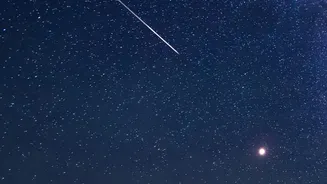
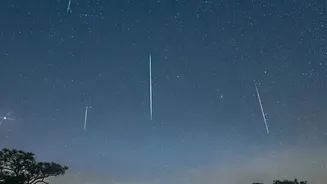
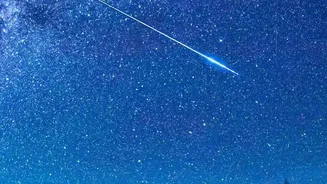
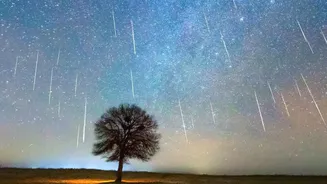
The Perseid meteor shower is one of the most beloved astronomical events of the year, known for producing a high rate of bright, fast-moving meteors. These “shooting stars” are actually tiny bits of debris left behind by Comet Swift-Tuttle, which Earth
passes through every August. When these particles, some no bigger than a grain of sand, hit our atmosphere at tremendous speeds, they burn up and create spectacular streaks of light. This year, the shower promises to be particularly special as its peak coincides with a new moon on August 12-13, meaning the sky will be exceptionally dark, making it easier to spot even the fainter meteors.
The Best Time to Look Up
The Perseids are active from mid-July to late August, but the best time to watch will be during the peak on the nights of August 12 and 13, 2026. For viewers across India, the optimal window is in the pre-dawn hours, specifically between 2:00 AM and 4:30 AM IST. This is when the shower's radiant—the point in the constellation Perseus from which the meteors appear to originate—climbs higher in the sky, increasing the number of visible meteors. While the absolute peak is predicted for the evening of August 13, the hours before dawn on both August 12 and 13 offer fantastic viewing opportunities.
Leave the Telescope at Home
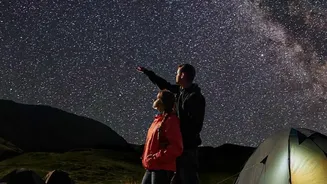
Contrary to what many believe, you do not need a telescope or even binoculars to enjoy a meteor shower. In fact, using one can be a disadvantage. Telescopes have a very narrow field of view, meaning you'll only see a tiny patch of the sky. Meteors, on the other hand, can appear anywhere and streak across large sections of the sky in seconds. The best instrument for the job is the one you already have: your naked eyes. This allows you to take in the widest possible view, maximizing your chances of catching a shooting star. Simply find a comfortable spot, lie back, and look up.
The Real Challenge: Beating the Monsoon
For most of India, the biggest obstacle to viewing the Perseids is not light pollution, but the weather. August is the height of the southwest monsoon, and persistent cloud cover can easily ruin the show for skywatchers in major cities like Mumbai, Delhi, and Bengaluru. Recent forecasts for August 2026 also suggest that many parts of the country could experience significant rainfall. Therefore, your success depends almost entirely on finding a pocket of clear sky. It’s crucial to check local weather forecasts obsessively in the days leading up to the peak.
Where to Find the Clearest Skies
To increase your odds of a clear night, consider traveling to a rain-shadow region. High-altitude cold deserts like Ladakh and the Spiti Valley in Himachal Pradesh are excellent choices as they are largely bypassed by the monsoon and offer pristine, dark skies. The Hanle Dark Sky Reserve in Ladakh is one of India’s premier spots for stargazing. Other promising locations include the arid deserts of western Rajasthan, such as near Jaisalmer, and the Rann of Kutch in Gujarat. These areas often escape the heaviest monsoon clouds, providing a better chance to witness the celestial event.
Simple Tips for a Great Viewing Experience
First, get away from city lights. The darker your location, the more meteors you will see. Even a short drive out of the city can make a huge difference. Second, give your eyes time to adjust. It can take 20 to 30 minutes for your eyes to fully adapt to the darkness, which will help you spot fainter streaks. Avoid looking at your phone, as the bright screen will reset your night vision. Finally, be patient and comfortable. Bring a reclining chair or a blanket to lie on, dress warmly, and settle in for at least an hour. Meteor showers often come in spurts, with lulls in between, so patience is key.