





The Experience is the Destination
The core of this trend lies in the rise of experiential travel. For many young Indians, the goal of a holiday is no longer just to see sights and relax; it's to have a transformative experience. A recent Agoda report noted that for Gen Z travellers, trips
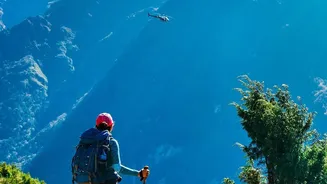
are now defined by what they want to do, not just where they want to go. This could mean learning to surf, attending a specific music festival like Ziro in Arunachal Pradesh, participating in a wellness retreat in the Himalayas, or joining a guided trek through the Western Ghats. The destination becomes secondary—it’s the place that can best facilitate the desired activity. This mindset marks a significant change from traditional tourism, which often involved ticking landmarks off a pre-set list. Instead, the trip is built around a central, engaging activity that promises personal growth, a new skill, or a unique story.
Social Media's Role in Curating Adventures
Digital platforms, especially Instagram and YouTube, have become powerful engines for travel discovery. Over 89% of travellers use social media to research attractions, and for the younger demographic, these platforms do more than just provide information—they create desire. A viral reel of a hidden waterfall in Meghalaya or an influencer's post from a paragliding festival in Bir Billing can instantly elevate a niche activity into a must-do experience. This visual, user-generated content feels more authentic and trustworthy to young travellers than traditional advertising. It allows them to discover and visualise experiences that might not be featured in conventional travel guides. The result is a travel plan driven not by a famous city's reputation, but by the appeal of a specific, shareable moment.
A Shift from 'Seeing' to 'Doing'
This new travel philosophy is rooted in a preference for active participation over passive observation. Recent studies highlight that a majority of young travellers are prioritising cultural exploration and outdoor activities. According to a Skyscanner survey, 84% of young Indians have developed a greater interest in cultural travel, and they are actively planning trips around experiences like regional festivals or culinary trails. Events like Durga Puja in Kolkata or Lathmar Holi in Barsana are no longer just things to watch but events to be a part of. The adventure tourism market in India is also booming, expected to grow at a compound annual rate of over 17%. This indicates a strong demand for physically engaging activities like trekking, camping, and water sports, which now form the backbone of many travel itineraries.
The Rise of Niche Travel Communities
Finding like-minded people to share these experiences with has never been easier. Online travel communities and specialised tour operators have emerged to cater to this demand. Whether it's a group dedicated to women's-only treks, motorcycle tours in Ladakh, or sustainable farming workshops, these communities provide a platform for travellers to connect and plan trips around shared interests. This removes the logistical friction that might have previously discouraged someone from pursuing a niche activity. It also fosters a sense of belonging and safety, particularly for solo travellers, a segment that has seen an 18% increase in recent years. Companies are responding by moving beyond just offering accommodation and instead creating entire ecosystems around traveller journeys, complete with curated local experiences.
Budget-Friendly and Off-the-Beaten-Path
While it might seem counterintuitive, focusing on an activity can often lead to more budget-conscious travel. By prioritising an experience over a famous destination, travellers are often led to lesser-known, more affordable locations. Instead of a luxury hotel in a major city, the perfect scuba diving course might be offered by a small operator in a coastal village with more modest accommodation options. This aligns with the financial habits of Gen Z, who are increasingly looking for value and are willing to travel to less-touristed destinations to save money. This approach not only makes travel more accessible but also helps distribute tourism revenue to smaller, local economies, promoting a more sustainable model of travel that a majority of young travellers say they prefer.