







Why The Monsoon Changes Everything
The rainy season, while beautiful, creates a perfect storm for health issues. The high humidity and moisture in the air are ideal breeding grounds for bacteria, viruses, and fungi. This dramatically increases the risk of contamination in our food and water,
leading to a spike in illnesses like diarrhoea, jaundice, and typhoid. At the same time, our own bodies undergo a shift. According to both traditional wisdom like Ayurveda and modern nutrition, our digestive system tends to slow down during this season. This weakened digestive fire, or 'Agni', makes it harder to process heavy, oily, or raw foods, leaving us feeling bloated and sluggish. Our immunity also takes a dip, making us more susceptible to common colds and flu. This is why applying a little common sense to our monsoon menu isn't just a good idea—it's essential for enjoying the season without falling sick.
Foods to Welcome This Season
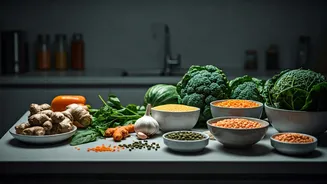
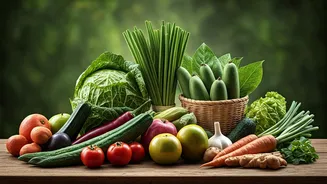
The key is to opt for foods that are light, easy to digest, and boost your immunity. Think warm, freshly cooked meals. A bowl of hot soup, especially made with vegetables like bottle gourd (lauki), ridge gourd (tori), or bitter gourd (karela), is perfect. These vegetables, which grow on vines away from the waterlogged ground, are considered safer choices. Including immunity-boosting spices like turmeric, ginger, garlic, and pepper in your cooking is a fantastic way to strengthen your body's defenses. A hot cup of masala chai does more than just comfort; it fortifies. Seasonal fruits like jamun, pears, plums, and pomegranates are excellent choices, but be sure to wash them thoroughly and consume them fresh. For grains, light options like moong dal, especially in a warm khichdi, are gentle on the stomach and highly nutritious.
What to Politely Decline
Common sense should guide you away from high-risk foods. First on the list is street food, especially items like pani puri or chaat. The water used is often a source of contamination, and ingredients left open in the humid air can quickly harbour bacteria. Those tempting fried pakoras from roadside stalls are also best avoided; the humid weather slows digestion, making these heavy, oily snacks difficult to process. Leafy green vegetables like spinach and cabbage pose a significant risk during monsoon. They grow close to the damp ground, making them susceptible to germs and grime that are hard to wash off completely. It's also wise to be cautious with seafood, as the monsoon is the breeding season for many fish, which can affect their freshness and safety. Raw foods, including salads and pre-cut fruits, are another category to skip, as they can carry a host of germs.
Rethinking Your Hydration
Just because the weather is cool and damp doesn't mean you can forget about hydration. Drinking plenty of fluids is still crucial for flushing toxins from your body and keeping your metabolism up. However, instead of cold drinks from the fridge, switch to warm or boiled water. According to FSSAI (Food Safety and Standards Authority of India), using only clean, boiled, or filtered water for drinking and cooking is one of the most important safety measures during this season. Herbal teas infused with ginger, tulsi, or lemon are excellent alternatives. They not only hydrate but also provide additional benefits, like soothing a sore throat or aiding digestion. While curd and other dairy products can be beneficial, some find they can aggravate coughs and colds in this weather; buttermilk, however, is often considered a lighter, safer alternative.