



The Science of a Soggy Pot
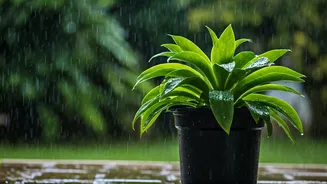
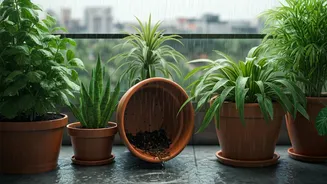
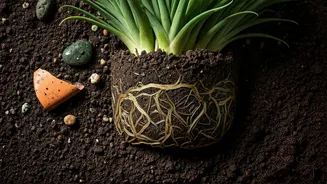
Imagine holding your breath underwater. That's what a plant's roots experience in a waterlogged pot. The constant rain saturates the soil, filling every air pocket with water. Without oxygen, roots can't breathe or absorb nutrients effectively. This suffocating
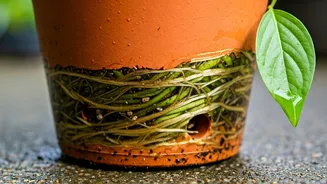
environment is the perfect breeding ground for root rot, a fungal disease that turns healthy, white roots into a brown, mushy mess. Once root rot sets in, it’s incredibly difficult to reverse. The leaves may turn yellow, wilt, and drop, but by the time you see these signs, the damage below is already severe. Proper drainage isn't just a suggestion; it’s a lifeline that allows excess water to escape, ensuring your plant's roots have the oxygen they need to survive and thrive through the wettest months.
Start with the Right Soil Mix
Standard garden soil or generic potting mixes often become dense and compacted when wet, retaining far too much water for monsoon conditions. The foundation of good drainage is a light, airy potting medium. You don't need a complicated formula. A simple, effective mix for most monsoon plants can be made by combining equal parts of regular potting soil, cocopeat (or compost), and a coarse material like construction sand (river sand) or perlite. The soil provides nutrients, the cocopeat helps retain just enough moisture while staying light, and the sand or perlite creates air channels, allowing excess water to drain away freely. Before you even think about which decorative pot to use, repotting your plants in a well-draining mix like this is the single most important step you can take.
Your Choice of Pot Matters
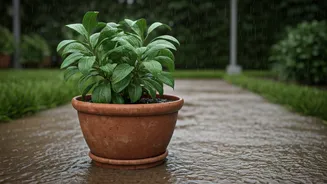
Not all pots are created equal, especially in the rain. Classic terracotta or 'mitti ke gamlay' are excellent choices for the monsoon. Their porous nature allows water to evaporate through the sides, helping the soil dry out faster. Conversely, plastic, ceramic, or metal pots are non-porous and trap moisture, increasing the risk of waterlogging. Regardless of the material, one feature is non-negotiable: a sufficient number of drainage holes at the bottom. If a pot has only one tiny hole, it can easily get clogged. Don't hesitate to carefully drill a few extra holes before planting. A pot without drainage holes is a death sentence for a plant during the monsoon.
The Danger of the Decorative Outer Pot
We all love the look of a sleek ceramic planter, but many of these decorative 'cachepots' come without drainage holes. A common mistake is to place a regular plant pot directly inside one. When you water the plant, or when it rains, excess water collects in the bottom of the outer pot, creating a stagnant pool where the inner pot sits. The plant's roots are effectively submerged, leading directly to root rot. If you must use a cachepot for aesthetics, always remove the inner pot after watering and empty any collected water from the outer pot. A better solution is to place a few pebbles or a small overturned dish at the bottom of the cachepot to elevate the inner pot, ensuring its drainage holes are never sitting in water.
Simple Tricks to Improve Drainage
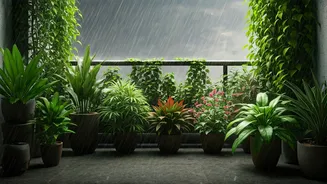
Beyond the pot and soil, a few simple habits can make a big difference. First, elevate your pots. Placing them on pot stands or 'pot feet' allows air to circulate underneath and ensures drainage holes don't get blocked by the floor surface. This is especially important for pots kept on open balconies that receive direct rain. Second, periodically check that the drainage holes aren't clogged with compacted soil or roots. You can gently poke a stick or skewer through the holes to clear any blockages. Finally, adjust your watering schedule. Just because it's the monsoon doesn't mean you should stop watering entirely, but always check the soil first. Stick your finger an inch or two into the soil; if it feels damp, wait another day or two before watering.