
The Drive for Dairy-Free
The move away from traditional dairy bases in gelato isn't just a fleeting trend; it's a global shift driven by several key factors. Firstly, there's a growing awareness of health and dietary needs. A significant portion of the population is lactose intolerant,
and others choose dairy-free diets for overall wellness. In India, for instance, the vegan ice cream market is experiencing significant growth due to rising health consciousness and a desire for plant-based alternatives. Secondly, ethical and environmental concerns are encouraging consumers to seek out products with a smaller footprint. Many now prefer plant-based options to reduce their consumption of animal products. This has created a booming market for alternatives that don't compromise on indulgence. As a result, what was once a niche category is now a driving force in dessert innovation, with consumers in urban centres and beyond willing to pay a premium for high-quality, artisanal plant-based treats.
A New Pantry of Ingredients
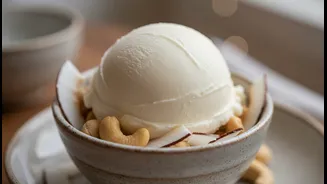
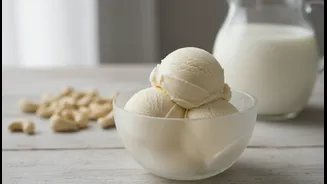
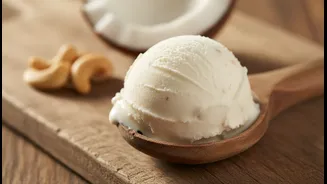
So, what exactly is replacing the milk and cream? Gelato makers now have a diverse pantry of plant-based ingredients to work with, each offering unique properties. Coconut milk is a popular choice for its high-fat content, which creates a rich, creamy base. Almond and cashew milks provide a smooth texture, with nut pastes sometimes being used to enhance body and mouthfeel. Oat milk has become a star player, celebrated for its naturally creamy consistency and neutral, slightly sweet flavour that allows other ingredients to shine. Soy milk also remains a versatile and reliable option. Beyond these primary bases, innovators are exploring proteins from sources like faba beans and even fungi to perfect the texture and nutritional profile of their frozen desserts. This expansion of ingredients is not just about substitution; it's about creating new, exciting flavour combinations and textures that stand on their own.
The Science of Creaminess
Crafting exceptional vegan gelato is a technical challenge. The magic of traditional gelato lies in the precise balance of fat, protein, sugar, and water. Dairy fats and proteins create that signature dense, smooth texture with minimal ice crystals. Replicating this without dairy requires culinary science. The key is achieving the right solids content to avoid a thin or icy structure. To do this, producers use a combination of plant-based fats and proteins, along with natural stabilizers and emulsifiers like guar gum, locust bean gum, and lecithin. These plant-derived ingredients help bind the mixture, prevent large ice crystals from forming, and ensure the final product has a velvety mouthfeel that rivals its dairy-based counterpart. It's a delicate balancing act of chemistry and artistry to get the structure just right.
But How Does It Taste?
For all the innovation, the ultimate test is taste. Early dairy-free ice creams were often criticized for being icy, gritty, or having strong, overpowering aftertastes from their base ingredients. However, modern plant-based gelato has largely overcome these hurdles. The goal for artisans is to achieve 'taste parity' with dairy, and many are succeeding. The use of higher-quality bases like oat and cashew milk, which have more neutral flavour profiles, has been a game-changer. It allows classic flavours like chocolate and vanilla, as well as more complex combinations, to be the star of the show. In India, for example, brands are even introducing vegan ice creams with popular local flavours like masala chai and saffron-pistachio. The result is a product that is not just a substitute but a delicious, indulgent dessert in its own right, satisfying even the most discerning gelato aficionados.