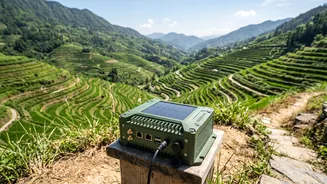







Demystifying 'Local AI'
Forget the image of massive, power-hungry data centres running impossibly complex programmes. The World Bank is championing a different vision for artificial intelligence, often called 'small AI' or 'local AI'. This approach isn't about building the next
ChatGPT but about developing smaller, specialised AI models that solve specific, local problems. Instead of relying on a constant cloud connection, these models can often run on local devices like a smartphone or a simple server. The key is that they are trained on local data, understand local languages and contexts, and provide solutions that are directly relevant to the community they serve. This makes the technology more accessible, affordable, and effective in places with limited internet connectivity or resources.
A Global Push for Grounded Tech
The World Bank's push for local AI is a strategic move to ensure developing nations aren't left behind in the technological revolution. For decades, progress has been hampered because expensive, one-size-fits-all technologies from high-income countries don't always translate well to different economic and cultural realities. The Bank's new digital strategy argues that simply adopting foreign AI isn't enough; the biggest benefits come from adapting it to local conditions. This 'adopt and adapt' model is seen as a way to accelerate development, potentially achieving in decades what might otherwise have taken a century. By promoting AI tools that work for people without smartphones or literacy, delivered via text or voice, the World Bank aims to make AI a tool for genuine, inclusive growth.
From the Ground Up in India
India's innovative use of AI in agriculture serves as a powerful case study for this new approach. One prominent example is the development of portable soil testing devices. Projects like Krishi-RASTAA and others developed by Indian scientists use AI and IoT to analyse soil health. Farmers can get a detailed report on 12 key soil parameters in just 30 minutes, a process that used to take weeks. The AI models, trained on vast amounts of Indian soil data, deliver a 'soil health card' directly to a farmer's mobile device, providing tailored recommendations for fertilisers and crop management. This is local AI in action: a specific problem (soil health analysis) is solved using technology adapted to local needs (quick, on-site results) and data (Indian soil types), empowering farmers to increase yield and reduce waste.
The Bigger Picture for Indian Innovation
The World Bank's endorsement is more than just a nod of approval; it validates India's position as a leader in building practical, scalable technology solutions. The country is already ranked among the top 10 emerging markets for AI readiness, thanks to its massive technical workforce, integrated IT sector, and robust digital public infrastructure. Private investment in Indian AI has soared, more than tripling to over $4 billion in 2025. By showcasing the soil analysis projects, the World Bank highlights a path for other developing nations to follow. The message is clear: countries don't need to compete with Silicon Valley on building massive, general-purpose AI. Instead, the real opportunity lies in creating targeted, low-cost solutions that address their own unique challenges, from healthcare and education to agriculture.