




Fortify Your Fortress: Waterproofing Your Bag
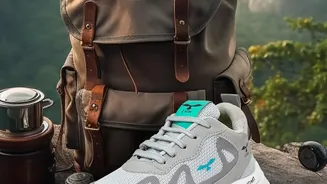
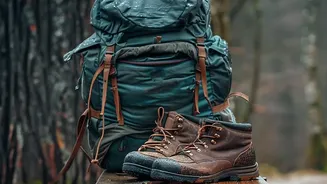
Your backpack is your first and most important line of defense. Most backpacks are water-resistant, not waterproof, meaning they can handle a brief shower but will fail during a sustained downpour common in the Ghats. Start by investing in a quality rain
cover that fits your pack snugly. However, a rain cover alone is not enough. The most effective strategy is to create layers of protection. Line the inside of your backpack with a large, heavy-duty plastic bag or a dedicated pack liner. This internal barrier provides a crucial second layer of defense, ensuring that even if the outer bag gets damp, the contents remain dry. Organize items inside using smaller waterproof dry bags or even simple zip-lock bags for another layer of protection.
Guarding Your Gadgets from Moisture
Water is the enemy of electronics. In the high humidity of the Western Ghats, even a phone that isn't directly rained on can suffer from moisture damage. The simplest and most effective trick is using zip-lock bags for your phone, power bank, and camera batteries. For phones, consider a transparent waterproof pouch that allows you to use the touchscreen even in the rain. A great tip from seasoned trekkers is to toss a few silica gel packets into your electronics bag; these absorb ambient moisture and can save your devices from condensation. When you reach your hotel or homestay, open all your bags to let them air out and dry, especially if you have an air-conditioned room. Never zip up a damp bag.
The Battle Against Damp Clothes
In the monsoon, nothing seems to dry. The biggest mistake travelers make is packing cotton clothing, including jeans. Cotton absorbs a huge amount of water and takes days to dry in high humidity, leaving you with a heavy, musty-smelling wardrobe. Instead, opt for quick-drying synthetic fabrics like polyester or nylon for your t-shirts and trekking pants. These fabrics wick moisture away and will dry much faster. Always pack a complete spare set of dry clothes in a sealed waterproof bag. This set is your emergency backup for the end of a long, wet day and is a huge morale booster. When trying to dry clothes indoors, hang them with at least an inch of space between items and use a fan to increase airflow if possible.
Securing Documents and Other Essentials
It’s easy to overlook the small but vital items. Your passport, ID cards, cash, and any important tickets should be stored in a dedicated waterproof document pouch or at the very least, a sturdy zip-lock bag. Keep this separate and easily accessible so you don't have to rummage through your entire backpack in the rain. Your first-aid kit also needs protection; ensure that bandages and medicines are in a waterproof container to keep them sterile and effective. It's also wise to pack insect repellent, as mosquitoes and other insects are more prevalent during the rainy season. Finally, bringing a microfibre towel is a great space-saving tip, as they are super absorbent and dry much quicker than traditional cotton towels.