







Understanding the Q-Commerce Model
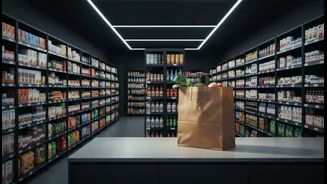
Quick-commerce platforms like Blinkit, Zepto, and Swiggy Instamart have revolutionised urban shopping. Their secret lies in a network of 'dark stores'—small, hyperlocal warehouses scattered across cities. Unlike traditional supermarkets, these are not
open to the public and are designed purely for rapid order fulfillment. While this model enables incredible speed, it also introduces unique food safety challenges. The pressure to pack and dispatch orders in minutes can strain quality control processes, from maintaining the cold chain for dairy and frozen foods to ensuring every item is well within its expiry date. Recent incidents and consumer complaints have brought these issues to the forefront, prompting regulators like the Food Safety and Standards Authority of India (FSSAI) to increase scrutiny.
The Pre-Delivery Check: Smart Shopping Habits
Your first line of defense is being a savvy shopper before you even hit 'place order'. While you can't inspect the items yourself, you can make informed choices. Start by checking reviews for the platform's reliability in your specific area, as service can vary. When ordering perishable items like milk, bread, eggs, and fresh produce, consider ordering earlier in the day. Stores are often restocked overnight, meaning a morning delivery might have a better chance of being fresh. It's also wise to be home to receive the delivery immediately, especially for frozen or chilled items, to prevent them from sitting out.
The Golden Minutes: Your At-the-Door Inspection
The most crucial checks happen the moment your order arrives. Don't just grab the bag and let the delivery person go. Take a minute to perform a quick inspection. First, check the 'cold chain'. Are your frozen items still frozen solid? Are dairy and meat products cool to the touch? Any signs of thawing and refreezing are a red flag. Next, give your fresh produce a once-over. Look for visible signs of spoilage, mould, or bruising on fruits and vegetables. Finally, and most importantly, scan the expiry dates. Pay close attention to items like bread, dairy, and packaged snacks. Under FSSAI guidelines, products should have a significant portion of their shelf life remaining. Some complaints have highlighted the delivery of expired products, so this check is non-negotiable.
When Things Go Wrong: Using Customer Support
What happens if you find worms in your oranges or a packet of chips that expired last week? Don't just throw it away in frustration. Document the issue immediately by taking clear photos of the product, the expiry date, and the bill. All major quick-commerce apps have a customer support section where you can report issues with an order. When lodging a complaint, be specific. Instead of saying 'the food was bad', state exactly what was wrong—'the milk was curdled' or 'the bread had mould'. While some customers have reported that only a refund was offered without addressing the safety concern, it's still crucial to report it. This creates a digital paper trail and can lead to refunds or replacements. Persistent issues should be flagged not just on the app but also on social media to bring wider attention.
The Bigger Picture: Regulation and Responsibility
While individual checks are important, systemic safety is the responsibility of both the companies and regulators. The FSSAI has issued advisories and notices to quick-commerce players based on consumer complaints about receiving expired or spoiled goods. Regulations mandate that these platforms and their dark stores adhere to hygiene, storage, and handling standards, just like any other food business operator. However, the rapid evolution of this sector has led to calls for more specific guidelines tailored to the unique pressures of the 10-minute delivery model. As a consumer, your vigilance and feedback contribute to this evolving regulatory landscape, pushing platforms to prioritise safety alongside speed.