





The Green Wave in Urban India
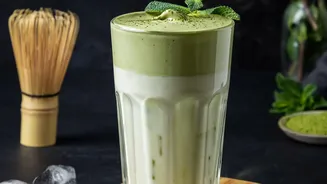
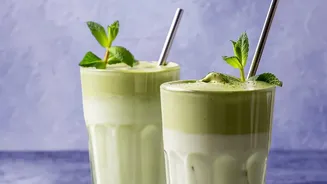
Once a niche item found only in health food stores, matcha has officially entered the mainstream in India's metros. From Mumbai's trendy lanes to Bengaluru's bustling coffee shops, the bright green latte is becoming a common sight. This isn't just about
a photogenic drink; it's part of a larger global wellness trend that has found a strong footing among young, urban Indians. Consumers are increasingly looking for beverages that do more than just energize; they want drinks that align with a health-conscious identity, offering both flavour and function. Cafes that built their reputation on single-origin coffee are now adding artisanal matcha to their menus, recognizing a shift in what customers want from their daily cup.
Deconstructing Your Iced Coffee
Before crowning matcha the winner, it’s important to look closely at its rival. A standard black iced coffee, made from brewed coffee and ice, is a low-calorie, healthy beverage. The problem arises with the popular cafe versions. Many iced coffee drinks served in chains and local shops are loaded with sugar-filled syrups, full-fat milk or cream, and topped with whipped cream. These additions can transform a simple drink into a high-calorie dessert, leading to a rapid spike in blood sugar followed by the dreaded afternoon crash. This cycle of a quick energy jolt followed by fatigue is precisely what has led many to seek out a more balanced alternative.
The Case for Matcha
So, what’s the secret behind matcha’s appeal? Matcha is a powder made from finely ground, whole green tea leaves. This means when you drink it, you consume the entire leaf and all its nutrients. Its main advantage over coffee lies in its unique combination of caffeine and an amino acid called L-theanine. While coffee delivers a fast, intense burst of energy that can sometimes lead to jitters and anxiety, matcha provides a 'calm alertness'. The L-theanine slows the body's absorption of caffeine, resulting in a smoother, more sustained energy boost that lasts for hours without the crash. Furthermore, matcha is packed with antioxidants, particularly EGCG (epigallocatechin gallate), which is known for its anti-inflammatory properties and ability to protect cells from damage.
Not All Matcha Lattes Are Equal
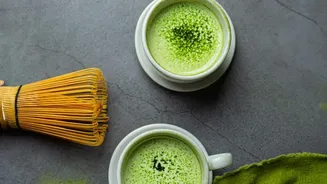
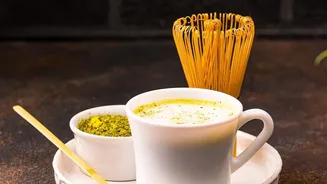
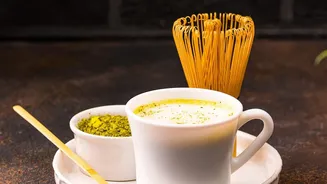
The term 'artisanal' is key. An artisanal matcha latte is very different from the pre-sweetened powders used in many commercial chains. Artisanal preparation involves using high-quality, ceremonial-grade matcha powder, which has a vibrant green colour and a smooth, umami flavour without bitterness. It is prepared using a traditional technique, typically with a bamboo whisk, to create a smooth, frothy consistency. These lattes are often made with unsweetened plant-based milks, like oat or almond milk, allowing the drinker to control the sugar content. In contrast, many chain cafes use a 'matcha blend' which is often more sugar than actual tea, negating many of the health benefits.
The Verdict: Is It Really Healthier?
When comparing a carefully prepared, unsweetened artisanal matcha latte to a sugary, syrup-laden iced coffee, the matcha latte is almost certainly the healthier option. It provides sustained energy, is packed with antioxidants, and is gentler on the stomach for some people. However, the comparison isn't always that simple. A plain black iced coffee remains one of the healthiest low-calorie drinks available. Ultimately, the healthiness of either drink depends entirely on its preparation. The choice becomes less about 'coffee vs. matcha' and more about 'sugary vs. unsweetened'. The rise of matcha simply provides a new, mindful way to enjoy a caffeinated beverage, encouraging consumers to pay more attention to what is in their cup.