
A Shift from Festive to Functional
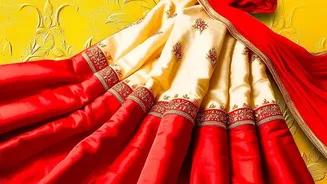
For generations, India’s rich textile heritage—think shimmering Banarasi silks and intricate Zardozi embroidery—was primarily associated with weddings and grand celebrations. These were precious garments, worn sparingly and stored carefully. Today, a significant
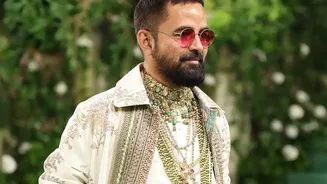
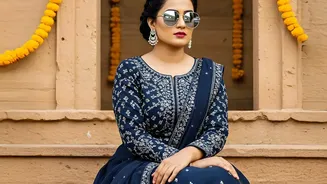
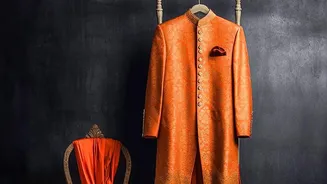
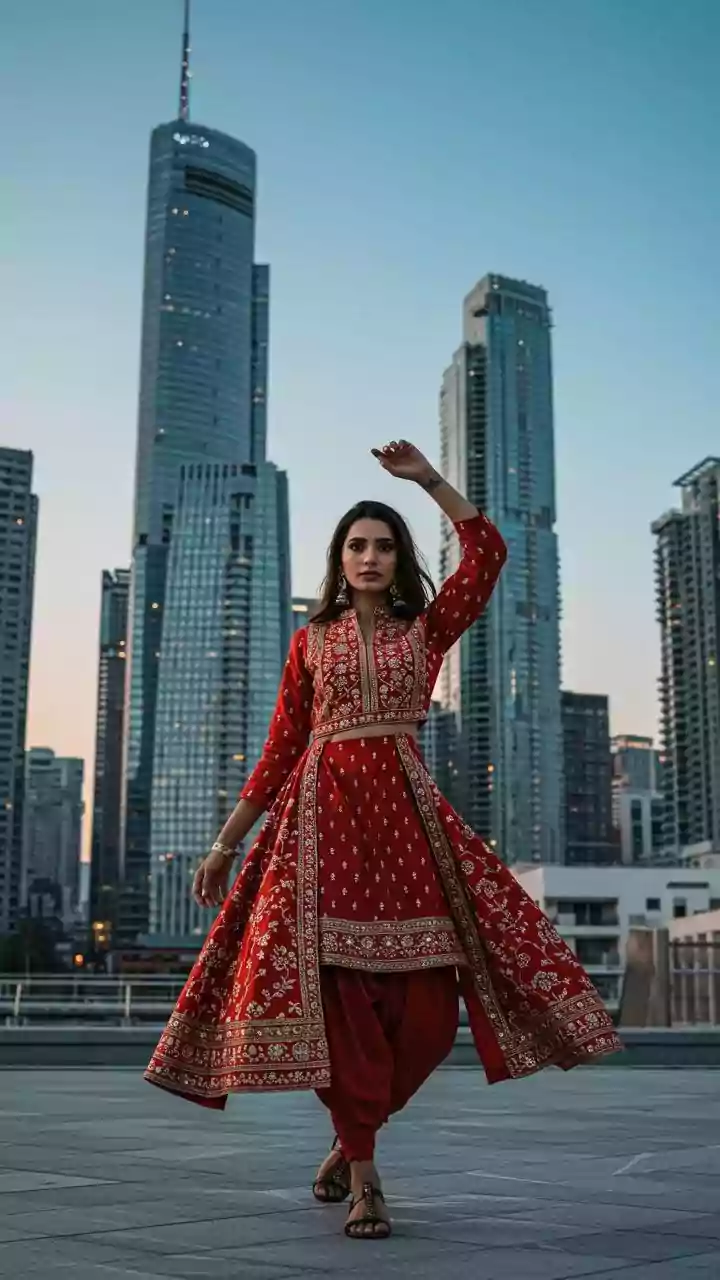
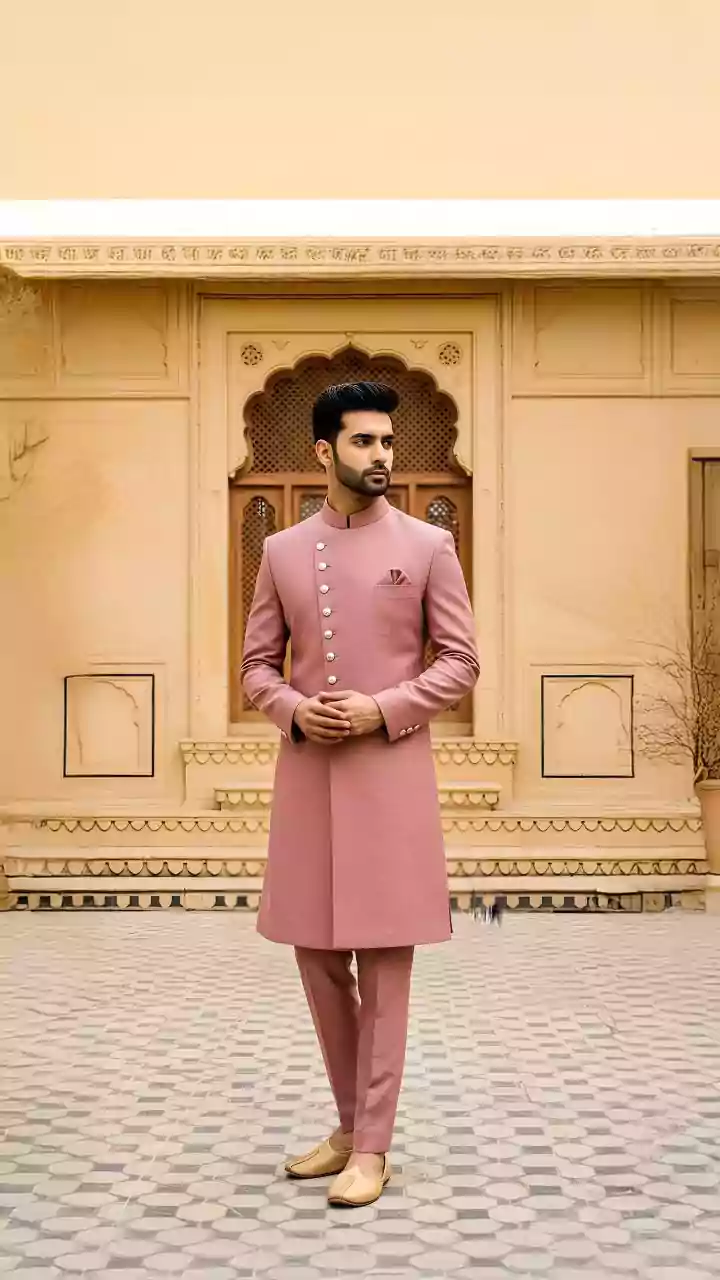
shift is underway. A new wave of Indian designers and conscious consumers is championing the idea that craftsmanship should be enjoyed daily, not just displayed on special occasions. This movement is about transforming heritage fabrics and techniques into functional, contemporary pieces that fit seamlessly into a modern, versatile wardrobe. The focus has moved from purely ornamental to beautifully practical, meeting a growing desire for clothing that tells a story and offers everyday elegance.
Reimagining the Silhouette
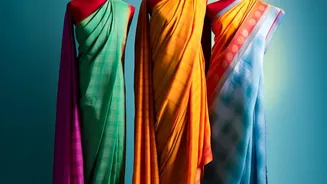
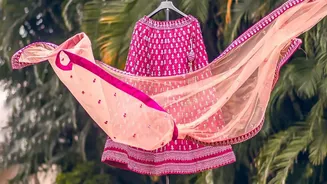
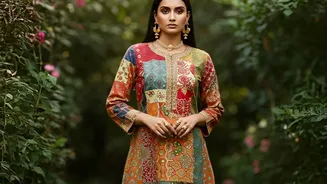
The most visible change lies in the silhouette. Designers are taking traditional handwoven textiles and applying them to contemporary cuts. Imagine the earthy, geometric patterns of Ajrakh, a block-printing tradition from Kutch, appearing on a sharply tailored blazer or a breezy co-ord set. The tie-dye artistry of Bandhani is no longer limited to dupattas and sarees; it now graces silk jumpsuits and modern dresses. Crafts like Odisha's Ikat, known for its distinctively blurred patterns, are being fashioned into structured dresses and lightweight jackets. This fusion allows the soul of the craft to shine through in forms that are relevant to today's lifestyles, from the office to a casual brunch.
Crafts Getting a Modern Makeover
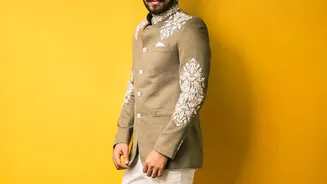
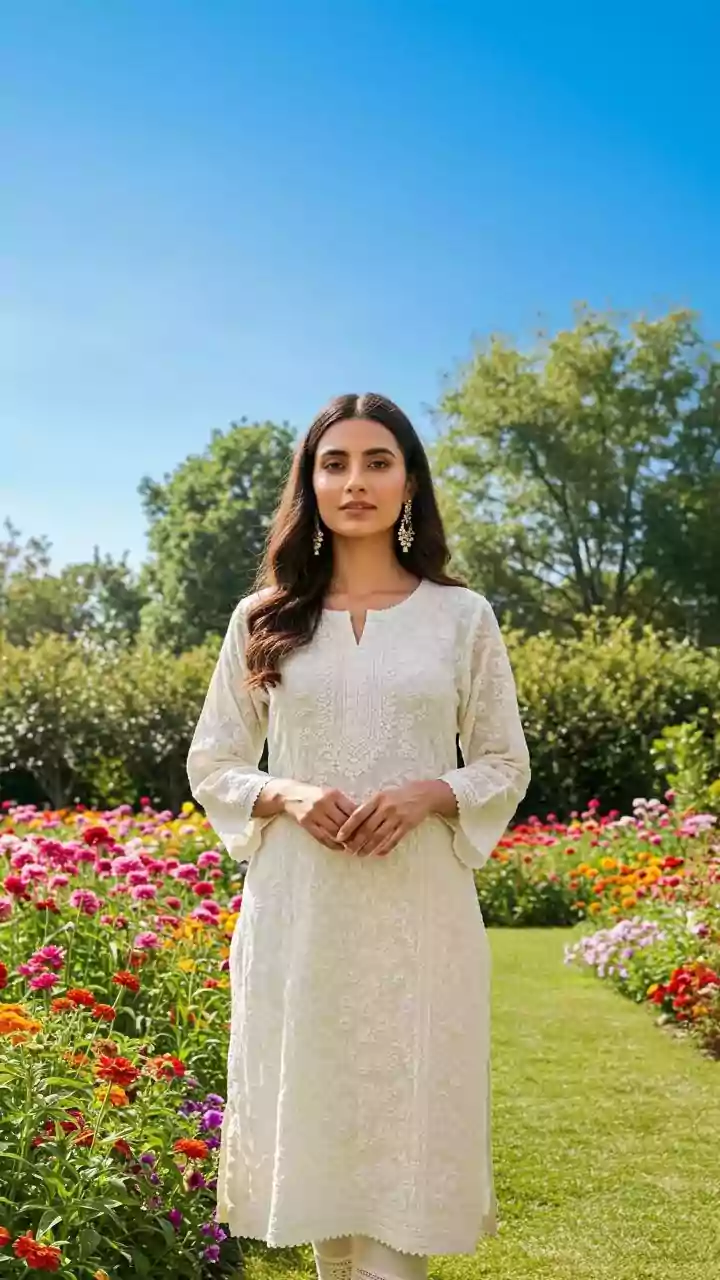
Several key crafts are at the forefront of this evolution. Khadi, the hand-spun and handwoven fabric of freedom, is being celebrated for its breathability and texture in relaxed shirts, trousers, and dresses. Designers are proving its versatility far beyond its traditional perception. Chikankari, the delicate white-on-white embroidery from Lucknow, is finding new life on denim jackets and linen shirts, creating a chic, understated look. Meanwhile, luxurious textiles like Banarasi silk are being used in unexpected ways, such as for elegant blouses paired with trousers, making the opulent fabric more accessible for regular wear. This adaptation is not about diluting the craft but expanding its vocabulary.
The Designer-Artisan Collaboration
This transformation is powered by a deep, collaborative relationship between designers and artisan clusters across the country. Designers are not simply buying fabric; they are working directly with weavers and printers in regions like Kutch, Varanasi, and West Bengal to co-create textiles. This involves developing contemporary colour palettes, adapting complex traditional motifs for modern garments, and ensuring the final fabric has the right weight and drape for its new form. This partnership ensures that while the final product is modern, the integrity and authenticity of the age-old technique are preserved, providing sustainable livelihoods for artisan communities.
Mindful Consumption and Timeless Style
This trend perfectly aligns with the global movement towards sustainable and conscious consumerism. Investing in a handcrafted garment is an antidote to the disposable nature of fast fashion. These pieces are made to last, using natural fibres and often natural dyes that are kinder to the environment. They offer a sense of connection—to the artisan who made them and to a rich cultural legacy. For the modern individual, a wardrobe that incorporates these adapted crafts is not just versatile; it's a collection of wearable art that is both timeless and deeply personal. It's fashion with a story, and a soul.