





That new shirt or pair of jeans could soon cost more, and it all comes down to a complex debate over raw cotton. India is grappling with a decision on import duties that pits the interests of its farmers against its massive textile industry.
A Looming Shortfall and a Key Decision
India, one
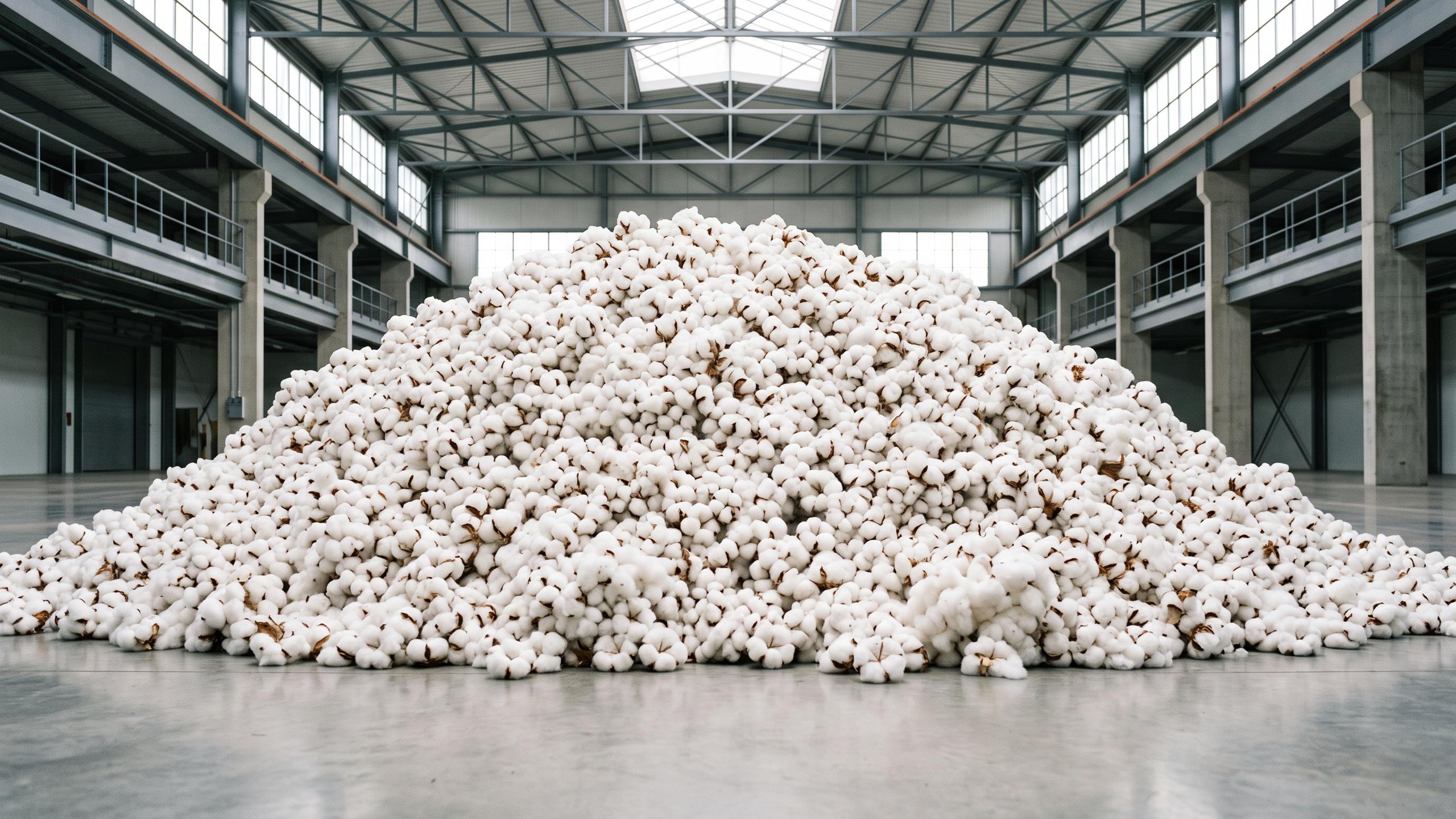
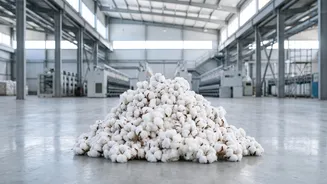
of the world's largest producers of cotton, is facing a potential supply crunch. Projections for the 2026-27 season estimate that domestic production could fall to around 29 million bales, while demand from textile mills is expected to exceed 34 million bales. This gap is largely due to patchy monsoon rains and high temperatures impacting crop yields in major cotton-growing states like Maharashtra, Gujarat, and Andhra Pradesh. To manage raw material costs and ensure a steady supply, the government temporarily waived the 11% import duty on cotton from June 1 to October 31, 2026. Now, with domestic prices remaining firm and production forecasts looking bleak, the government is widely expected to extend this duty-free window through the end of December.
Why Textile Mills Want Cheaper Imports
For India's textile and apparel industry, the logic is simple: access to competitively priced raw material is critical for survival and growth. Industry bodies like the Cotton Association of India (CAI) and the Southern India Mills Association (SIMA) have been vocal in their calls for making the duty removal permanent. They argue that the 11% duty makes Indian mills less competitive against rivals in countries like Bangladesh and Vietnam, which often enjoy zero-duty access to raw materials. When the cost of raw cotton goes up, the price of yarn and fabric follows suit, squeezing margins for garment manufacturers and making their final products more expensive for both domestic consumers and export markets. In recent months, yarn prices have already seen significant hikes, putting pressure on apparel exporters.
The Farmer's Side of the Story
While textile mills advocate for duty-free imports, India's cotton farmers have a different perspective. An influx of cheaper imported cotton, especially during the domestic harvest season from October onwards, could suppress local prices. Domestic cotton prices are currently trading above the government-set minimum support price (MSP), but farmers worry that extending the duty waiver could push rates down, hurting their income. This is a delicate balancing act for policymakers: supporting the massive textile manufacturing ecosystem without undermining the livelihoods of millions of farmers, many of whom are already dealing with the fallout from poor weather conditions.
The Journey from Raw Cotton to Retail Shelf
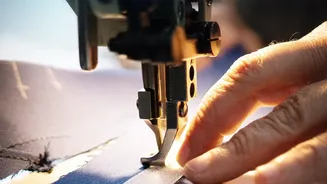
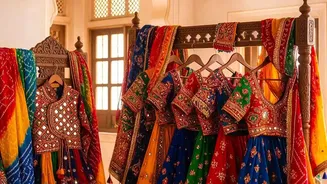
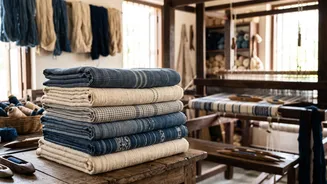
An increase in the price of raw cotton sets off a chain reaction. First, spinning mills pay more for their primary material. They pass this increased cost on to weaving and processing units in the form of higher yarn prices. Garment factories then purchase this more expensive fabric, which inflates their production costs. These factories, in turn, sell their finished apparel—shirts, trousers, and dresses—to retail brands at a higher price. By the time the garment reaches the store, its price tag reflects the accumulated costs along this entire supply chain. While major brands may absorb some of the initial cost increase to avoid alienating customers, sustained pressure on raw material prices almost inevitably leads to higher retail prices.
So, Will Your Shopping Bill Go Up?
The answer is complex, but the risk of a price rise is real. The extension of the duty-free import window is designed to keep raw material costs in check for textile mills and, by extension, prevent a sharp spike in clothing prices. However, even with duty-free access, the final cost of imported cotton is affected by high global prices, freight charges, and currency fluctuations, which could limit the benefits. If domestic production continues to lag and import costs remain high, manufacturers will have little choice but to pass the burden on. Consumers may not see a sudden, dramatic jump in prices overnight, but they might notice fewer discounts, smaller promotions, and a gradual increase in the cost of basic cotton apparel in the coming seasons.