









Beyond the Smart Appliance Hype
For years, the promise of the “smart kitchen” has been tied to appliances with Wi-Fi connections and touch screens that offer little more than a digital clock or remote preheating. While these features are technically advanced, they rarely solve fundamental
problems for the home cook or the professional chef. The real impact of artificial intelligence is emerging in less glamorous but far more significant ways. Instead of just being flashy, AI is starting to make kitchens faster, more consistent, and dramatically less wasteful. This quiet revolution is happening behind the scenes, focused on optimising the core processes of cooking, inventory management, and food preparation.
The Restaurant Revolution
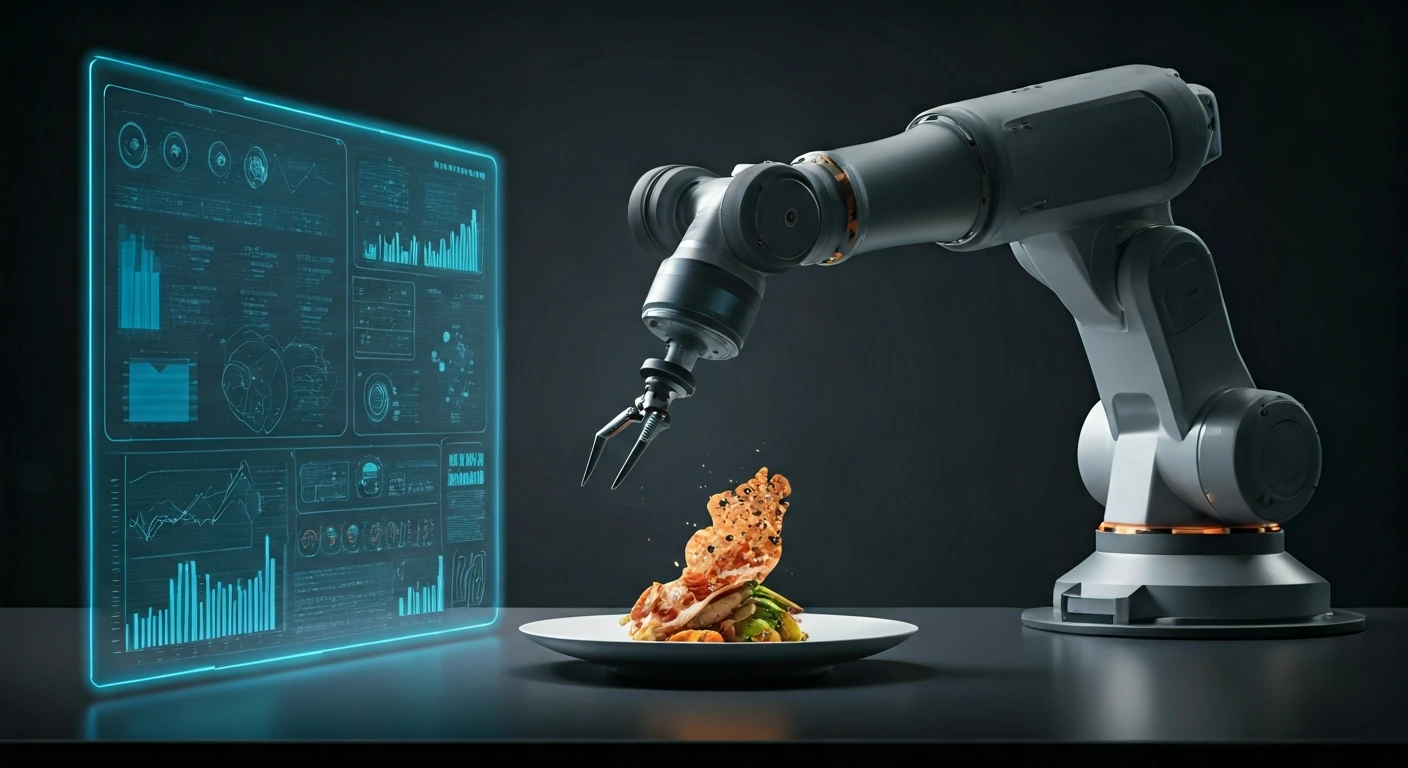
Commercial kitchens are the frontline for AI’s practical application, where efficiency is directly tied to profitability. Restaurants are adopting AI-powered systems not for show, but to solve persistent challenges like labour shortages, rising costs, and the need for consistency. For instance, AI algorithms can analyze sales data, weather patterns, and local events to predict customer demand with remarkable accuracy. This allows chefs to prepare the right amount of food, reducing spoilage and ensuring popular dishes don't run out during a dinner rush. AI-driven automation is also streamlining repetitive tasks; robotic arms can handle frying and burger flipping, while intelligent ovens manage cooking times and temperatures, ensuring every dish meets the same standard of quality with minimal human error.
Fighting Food Waste with Data
One of the most significant impacts of AI in professional kitchens is in the fight against food waste. Globally, commercial kitchens are a major contributor to food loss. AI-powered systems are tackling this head-on. Using computer vision, smart cameras mounted over waste bins can automatically identify and track every item that gets thrown away. The system collects data on what is being discarded, when, and why. Over time, this provides chefs and managers with powerful insights into their operations. They can see if a specific menu item is consistently producing waste, if portion sizes are too large, or if certain ingredients are being over-ordered. Some kitchens using this technology have reported reducing their food waste by over 50%, a massive saving in both cost and environmental impact.
The Future on Your Countertop
While the most advanced applications are currently in the commercial sphere, this practical approach to AI is finally trickling down to home appliances. The next generation of smart ovens, for example, is moving beyond simple remote control. Equipped with internal cameras and food recognition software, these ovens can identify the dish you've placed inside—be it a chicken, a tray of cookies, or a frozen pizza—and automatically set the optimal cooking temperature and time. Some can even learn your preferences, cooking a steak to your preferred doneness every time. Similarly, smart refrigerators are starting to use internal cameras to track inventory, notifying you when you're low on milk or suggesting recipes based on the ingredients you already have, helping to reduce household food waste. These features are not just gimmicks; they are designed to reduce mental load, prevent cooking errors, and make home cooking more accessible and less stressful.