






How Monsoon Humidity Affects Your Skin
The core challenge of monsoon skincare is the dramatic increase in humidity. High humidity prevents sweat from evaporating efficiently, creating a damp environment on your skin's surface. This triggers your sebaceous glands to produce more oil (sebum).
This excess oil, mixed with sweat and environmental pollutants, can clog pores, leading to a surge in acne, blackheads, and a greasy complexion. Furthermore, this warm, moist environment is the perfect breeding ground for bacteria and fungi, increasing the risk of issues like fungal infections, ringworm, athlete's foot, and folliculitis. Existing conditions like eczema can also flare up due to the constant dampness and allergens.
Cleanse Gently, But Effectively
Cleansing becomes paramount during the monsoon to remove the daily buildup of sweat, oil, and grime. Dermatologists recommend washing your face twice a day with a gentle, soap-free, and pH-balanced cleanser. Over-washing or using harsh, stripping cleansers can backfire by damaging the skin barrier and causing your glands to produce even more oil to compensate. For those who wear makeup or heavy sunscreen, double cleansing in the evening is a great strategy. Start with an oil-based cleanser to dissolve impurities, followed by a gentle gel or foaming wash to leave the skin thoroughly clean without feeling tight.
Swap Heavy Creams for Lightweight Hydration
A common mistake in humid weather is skipping moisturiser altogether, fearing it will make oily skin worse. However, all skin types need hydration to maintain a healthy barrier. The key is to switch your product, not abandon the step. Dermatologists advise trading heavy, occlusive creams for lightweight, non-comedogenic (pore-clogging) formulas. Look for gel-based or water-based moisturisers that absorb quickly. Ingredients like hyaluronic acid provide excellent hydration without adding weight, while niacinamide can help regulate oil production and improve skin texture.
Simplify Your Serums and Actives
While a multi-step routine with various active ingredients can be beneficial in drier seasons, the monsoon is the time to simplify. The humid, unstable weather can make your skin more sensitive, and layering too many potent products can lead to irritation. It’s wise to scale back on harsh exfoliants or high-concentration retinoids if you notice redness or sensitivity. Instead, focus on a core set of products. A Vitamin C serum in the morning can provide antioxidant protection against environmental damage, while gentle chemical exfoliants like lactic or salicylic acid can be used sparingly (1-2 times a week) to manage dead skin cell buildup.
Sunscreen is Still a Non-Negotiable
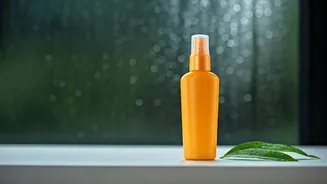
Don't let cloudy skies fool you; skipping sunscreen is one of the biggest monsoon skincare mistakes. Up to 80% of the sun’s harmful UV rays can penetrate through clouds, contributing to tanning, pigmentation, and long-term skin damage. The key is finding a formula that feels comfortable in the humidity. Opt for broad-spectrum sunscreens with an SPF of 30 or higher. Gel-based, matte-finish, or aqua-gel sunscreens are excellent choices for Indian weather as they are lightweight, absorb quickly, and don't leave a greasy residue or white cast.