






What is Bibim Guksu?
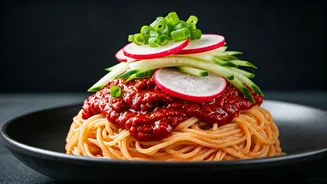
Bibim Guksu, which translates to “mixed noodles,” is one of South Korea’s most beloved dishes, especially during the hot and humid summer months. It’s a simple concept with a powerful flavour payoff: cold, thin wheat noodles are tossed in a vibrant, chilled
sauce and topped with fresh, crunchy vegetables. Unlike its soupy cousin, Mul Naengmyeon (cold noodles in broth), Bibim Guksu is all about the sauce. Think of it as the noodle equivalent of Bibimbap (mixed rice). It’s a staple in Korean home cooking, cherished for its ability to revive appetites with a zesty, spicy kick on even the most sluggish of summer days.
The Magic Is in the Sauce
The heart and soul of this dish is its no-cook sauce. It’s a dynamic blend of sweet, spicy, and tangy flavours that coats every strand of noodle. The primary ingredient is gochujang, a fermented Korean chili paste that provides a deep, savoury spice. This is balanced with the sweetness of sugar or honey, the tang of rice vinegar, and the nutty, aromatic depth of toasted sesame oil. Minced garlic adds a pungent bite, while a splash of soy sauce deepens the umami. The beauty of the sauce is its simplicity; all you need to do is whisk the ingredients together in a bowl while your noodles cook. It can even be made a day or two in advance and stored in the fridge.
Your Simple Shopping List
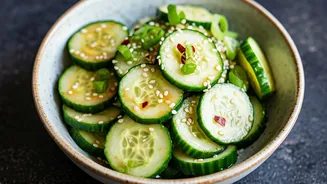
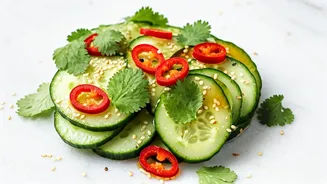
This recipe requires just a few key Korean pantry staples and fresh toppings. The noodles used are typically very thin wheat noodles called somyeon (or somen), which cook in just 3-4 minutes. If you can't find them, soba noodles or even angel hair pasta can work in a pinch. For the sauce: - Gochujang (Korean chili paste) - Rice vinegar - Soy sauce - Toasted sesame oil - Sugar or honey - Fresh garlic - Toasted sesame seeds For the toppings: - Cucumber, julienned - A hard-boiled egg, halved - Kimchi, chopped - You can also add other thinly sliced vegetables like carrots, lettuce, or red cabbage.
The 15-Minute Method
The speed of this dish is one of its greatest assets. From start to finish, you can have a satisfying meal on the table in about 15 minutes. 1. Prepare your toppings: Julienne the cucumber, chop the kimchi, and boil an egg if you're using one. 2. Mix the sauce: In a small bowl, whisk together 3 tablespoons of gochujang, 2 tablespoons of rice vinegar, 2 tablespoons of sesame oil, 1.5 tablespoons of sugar, 1 tablespoon of soy sauce, and 1-2 minced garlic cloves. Set aside. 3. Cook the noodles: Bring a pot of water to a boil and cook the somyeon noodles according to package directions, usually for 3-4 minutes. 4. Rinse and chill: Once cooked, drain the noodles and immediately rinse them under cold running water. Rub the noodles gently with your hands to remove excess starch, which ensures they don’t clump together. Drain them thoroughly. 5. Mix and serve: In a large bowl, combine the cold noodles with the prepared sauce. Toss well until every noodle is evenly coated. Transfer to a serving bowl and arrange your toppings—cucumber, kimchi, and the boiled egg—on top. Finish with a sprinkle of toasted sesame seeds.
Make It Your Own All Season
While this recipe is perfect as is, it’s also incredibly versatile, which is why you’ll want to make it again and again. You can easily adjust the sauce to your liking—add more gochujang for extra spice or more sugar for sweetness. The toppings are where you can truly get creative and adapt the dish to what you have on hand. Add shredded lettuce or carrots for more crunch, or fresh perilla leaves for a distinct, herby flavour. For a more substantial meal, add some protein like shredded grilled chicken, blanched shrimp, or even canned tuna. This adaptability makes Bibim Guksu not just a recipe, but a template for countless quick and refreshing meals.