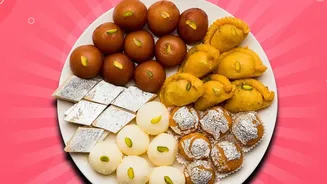







This Navratri, as lamps were lit and prayers were offered, another tradition thrived: the humble food order. Data from Swiggy shows that India's festive appetite is as strong as ever, with one sweet treat leading the charge in spectacular fashion.
A Sweet Storm of Orders
During
the festive window of October 17th to 20th, India’s collective sweet tooth made its presence felt. Swiggy recorded a staggering average of 495 orders for rasgulla every single hour. That's over 8 orders a minute, every minute, for four straight days. This surge was part of a broader 36.4% year-on-year increase in orders for traditional sweets during the Navratri and Durga Puja celebrations. Delhi, Mumbai, and Gurugram led the charge for this beloved Bengali sweet, but the craving was truly nationwide. While rasgulla was the undisputed champion, other classic mithais like Gulab Jamun, Kaju Katli, Jalebi, and Rasmalai also filled up delivery bags across the country, proving that festive indulgence is just a click away.
The Fast and the Feast
While sweets were for feasting, fasting foods were the foundation of the festivities for many. Sabudana dishes emerged as the clear favourite for those observing vrat (fasting). On the weekend of October 17th and 18th, Swiggy delivered an average of 1,794 sabudana dishes per hour. Sabudana Khichdi and Sabudana Vada were the two most popular preparations, with cities like Mumbai, Bengaluru, Pune, and Jaipur driving the demand. This trend highlights a significant shift in modern observance: maintaining tradition without spending hours in the kitchen. The convenience of ordering in allows people to follow dietary customs while managing the demands of a busy urban life. It’s tradition, streamlined for the 21st century.
Thalis and Other Vrat Delights
Beyond individual dishes, complete meals designed for fasting were also a massive hit. Navratri Vrat Thalis, especially those featuring Singhara (water chestnut flour) Poori, were a popular choice for a convenient, comprehensive meal. These thalis often included an assortment of vrat-compliant items like preparations made from Kuttu (buckwheat) and Rajgira (amaranth), Samak (barnyard millet) rice, and makhana dishes. The highest demand for these festive platters came from Delhi, Bengaluru, Gurugram, and Noida. In one notable instance, a single customer in Noida placed an order worth ₹11,072 for 13 Navratri special thalis, showcasing the rise of bulk orders for family gatherings.
The New Festive Tradition?
The data paints a clear picture of how technology is integrating with cultural practices. Food delivery platforms are no longer just for a lazy weeknight dinner; they have become an integral part of how India celebrates its biggest festivals. The ability to order everything from a single box of rasgullas to a large family meal for fasting simplifies logistics and frees up time for other rituals and family bonding. The trend wasn't limited to major metros; smaller cities like Patna, Dehradun, Jodhpur, and Gaya also saw a significant surge in sweet orders. This nationwide pattern suggests that the convenience of app-based ordering is a universally appreciated addition to the festive season, blending modern habits with timeless traditions. As one Swiggy executive noted, food delivery has become central to how India celebrates together.