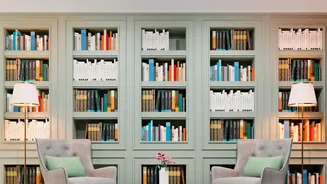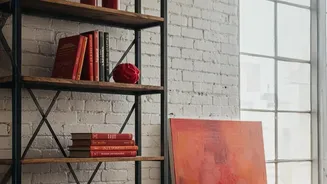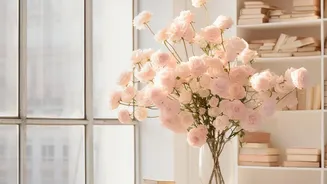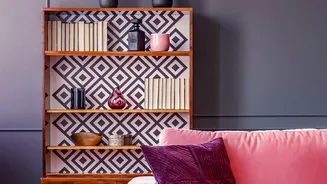





Bookshelves are more than just storage; they are a canvas for your personality. Discover how to turn any shelf, in any room, into a stunning focal point that tells your story and elevates your home's entire aesthetic.
Mix Books with Objects
The key to a visually interesting
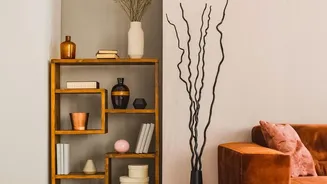
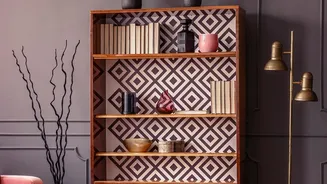
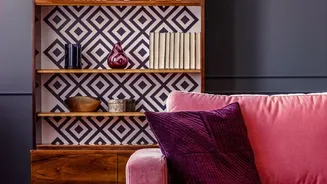
shelf is breaking up the monotony of book spines. A common design principle involves the 60/30/10 rule: 60% books, 30% decorative accessories, and 10% empty space. Integrate items that have personal meaning, such as travel souvenirs, framed photos, or handmade pottery. Place these objects in front of or next to books to create layers and depth. A small, sculptural object on a horizontal stack of books can turn a simple storage spot into a curated vignette. Don't be afraid to mix materials; the contrast between a soft, linen-bound book, a smooth ceramic vase, and a metallic accent adds richness.
Vary Height and Orientation
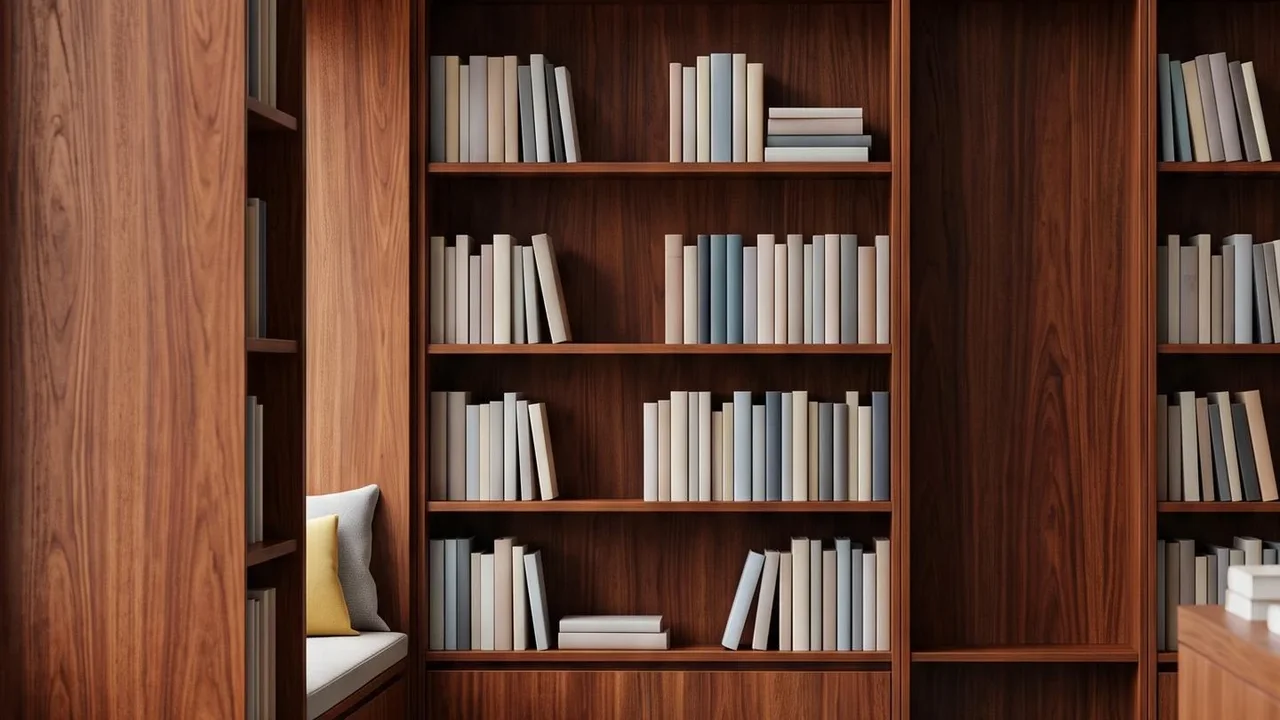
Avoid having everything at the same visual level. Create rhythm by combining vertical rows of books with horizontal stacks. This simple change in orientation immediately makes a shelf more dynamic. Use taller items like vases, candlesticks, or framed art to draw the eye upward and anchor the arrangement. You can then place smaller items nearby to create groupings with varied scale. This technique prevents the shelf from feeling flat or looking like a rigid library row, allowing the eye to travel and explore the display.
Embrace a Cohesive Colour Palette
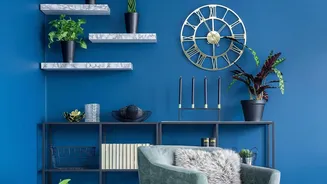
A thoughtful colour scheme can unify your entire shelf display. This doesn't mean you have to arrange all your books in a rainbow, a trend that designers note is becoming less popular. Instead, choose a palette of a few colours and repeat them across different shelves. For instance, you could pull a colour from a book's spine and echo it in a nearby vase or picture frame. Many designers start with a neutral base of whites, greys, and natural woods, then introduce one or two accent colours like sage green or terracotta to create a harmonious look without visual noise.
Create Breathing Room
One of the most common styling mistakes is overcrowding. Negative space, or empty space, is a crucial element that allows your treasured items to stand out. A shelf that is packed from end to end can feel chaotic and heavy. By leaving some areas intentionally bare, you give the eye a place to rest and appreciate the objects on display. This is especially important in smaller spaces or narrow hallways, where a cluttered shelf can make the area feel smaller. Don't be afraid to pull everything off the shelves and start fresh, adding items back with a more edited eye.
Layer with Art and Lighting
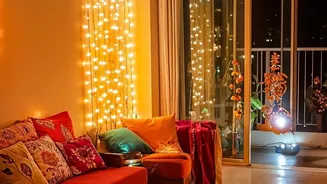
To give your bookshelf a truly designer feel, incorporate layers. Lean a small framed photo or art print against the back of the shelf, then place books or objects in front of it. This technique adds depth and a personal touch. You can even hang art directly on the frame of the bookcase. Lighting is another transformative element. A small picture light directed at a shelf, or a tiny lamp placed on a stack of books, can add warmth and highlight your collection, making it glow in the evening.
Incorporate Natural Textures
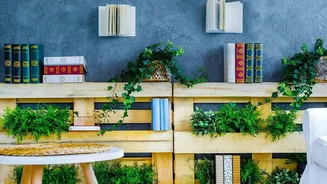
Adding natural elements is a surefire way to bring warmth and life to your shelves. Incorporate small potted plants like succulents or a trailing pothos to soften the hard lines of books and shelves. If you don't have a green thumb, a piece of driftwood, coral, or a collection of interesting stones can have a similar effect. Woven baskets are another excellent addition; they introduce texture and provide a stylish way to hide clutter like remote controls or charging cables, especially on lower shelves.