

Why the Clock Can Lie
A recipe that says “bake for 25 minutes” is offering an estimate, not a contract. So many factors can alter that timing. Your oven might run hotter or cooler than the recipe developer's. The humidity in your kitchen on a monsoon day can affect how doughs
and batters behave. Even the material of your pan—glass, dark metal, shiny aluminum—conducts heat differently, changing how quickly your food cooks. Ingredients themselves are inconsistent; a larger potato takes longer to soften, and vegetables straight from the fridge need more time in the pan than those at room temperature. Relying solely on a timer ignores all these crucial, real-world variables, setting you up for failure before you even begin.
Learning the Language of Food
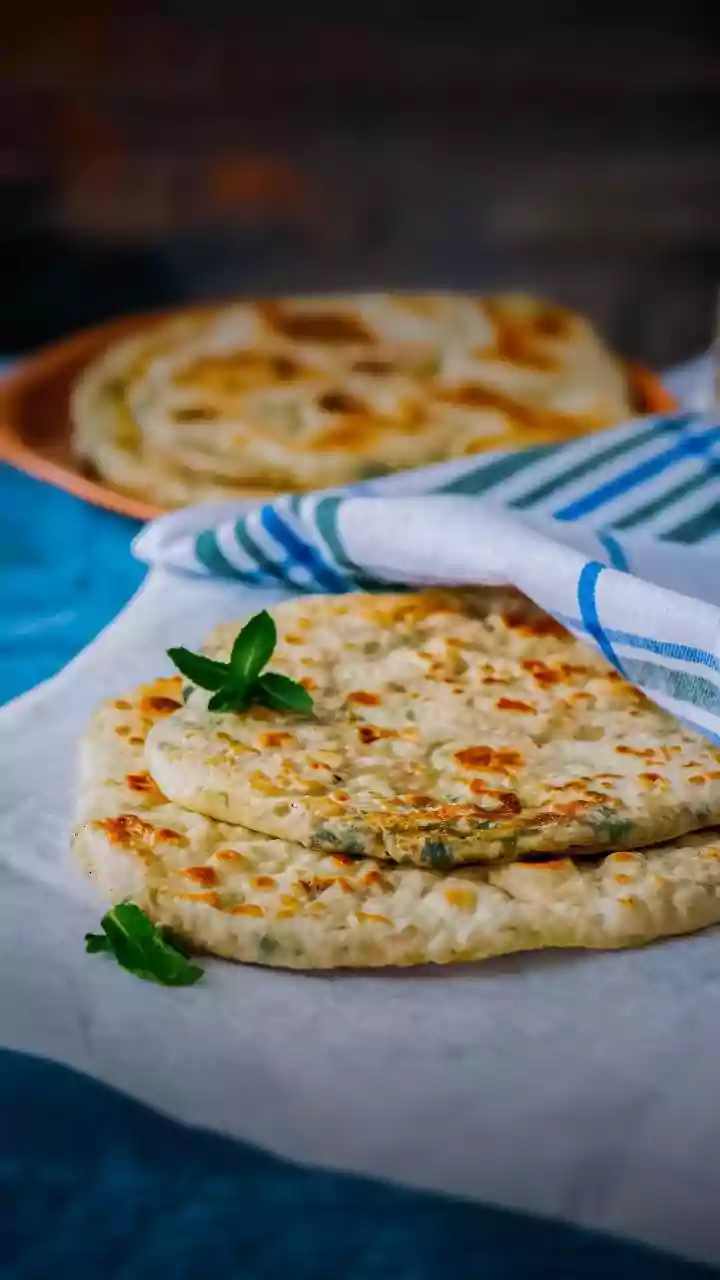
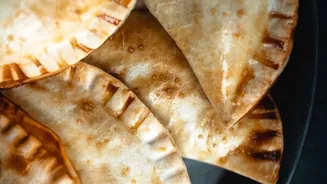
The secret to breaking free from the tyranny of the timer is to learn how to read your food. Instead of waiting for a bell to ring, start looking for visual cues. A recipe might say “sauté onions for 8 minutes,” but a more helpful instruction is “sauté until translucent and beginning to brown.” This tells you exactly what to look for. For baked goods, “golden brown” is a classic cue, as is a cake beginning to pull away from the sides of the pan. When making pancakes, wait for bubbles to form and pop on the surface before flipping. These visual signals are far more reliable than any clock because they reflect what is actually happening to the ingredients in your specific kitchen environment.
Engaging All Your Senses
Great cooking is a full sensory experience, going beyond just sight. Your other senses provide invaluable clues. Your sense of smell can tell you when butter has browned to nutty perfection or when garlic and spices have become fragrant and are ready for the next step. Sound is just as important. The aggressive sizzle of a steak hitting a hot pan is different from the gentle bubbling of a simmering sauce. Listening for a hollow sound when you tap the bottom of a loaf of bread is a time-honoured way to know it’s baked through. And don’t forget touch. The spring-back of a cake when gently pressed tells you it’s done, while the tenderness of a vegetable poked with a fork confirms its readiness.
How to Read Recipes Differently
This doesn't mean you should throw your timer away. Timers are excellent tools for reminding you to check on your food, especially when multitasking. The key is to shift your mindset: treat the time mentioned in a recipe as a guideline, not a command. When you read a recipe, actively look for the sensory descriptors. If a recipe only provides timings, try to research the visual cues for that type of dish yourself. Use the timer to prompt you, then use your eyes, nose, and ears to make the final call. This approach moves you from being a passive recipe follower to an active, engaged cook who understands the process. It builds confidence and allows you to adapt, improvise, and truly make a dish your own.