








Beyond the Two-Page Resume
The traditional resume or CV is a summary, a list of experiences and qualifications boiled down to bullet points. For decades, it has been the standard. But in today's hyper-competitive job market, especially in tech, creative, and marketing fields, a simple
list is often not enough. Recruiters and hiring managers are flooded with applications that look remarkably similar. They need a faster, more effective way to differentiate between a candidate who says they have a skill and one who has demonstrably applied it. This is where the limitations of a text-only document become clear. It cannot display your design aesthetic, showcase your coding project, or present the tangible results of your marketing campaign. It relies on the reader to trust your claims. A digital portfolio flips this dynamic entirely. It's a strategic tool that moves you from 'telling' to 'showing', providing concrete evidence of your capabilities and giving you a significant edge.
Demystifying the Digital Portfolio
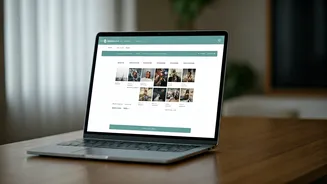
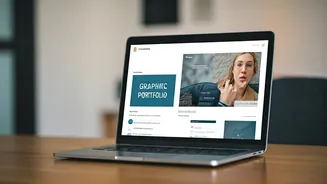
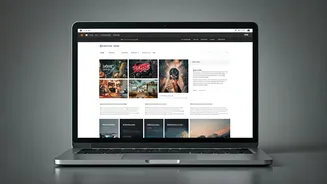
Let's cut through the jargon. A 'web-based digital project portfolio framework' is simply a personal website dedicated to showcasing your best work. Think of it as your professional art gallery, code repository, or case study library. Unlike a resume, which is static, a portfolio is a dynamic, visual, and interactive space that you control. It allows you to provide context for your projects, explain your process, and highlight the results you've achieved. The 'framework' part refers to the platform you use to build it. Thanks to modern web tools, you don't need to be a developer to create a stunning portfolio. Many platforms offer templates and drag-and-drop interfaces that allow you to set up a professional-looking site in an afternoon. The 'instantly' in upgrading your job search refers to how quickly you can create this powerful new asset and begin using it.
Choosing the Right Platform
The best platform for you depends on your profession. You don't need to overcomplicate this; choose a tool that best highlights your specific type of work. * **For Creatives (Designers, Artists, Photographers):** Platforms like Behance (from Adobe) and Dribbble are industry standards. They are community-focused and built specifically for visual work. * **For Developers and Programmers:** Your GitHub profile is your de facto portfolio. A well-organised GitHub with clean code, detailed README files, and interesting personal projects is incredibly powerful. * **For Writers and Marketers:** A personal blog or a simple website built on platforms like WordPress, Medium, or even Wix can host your articles, case studies, and campaign results. Contently is another great option for writers. * **For Generalists and Other Professionals:** If your work isn't easily visualised, you can still create a portfolio. Use a website builder like Squarespace, Wix, or Carrd to create project-based case studies. Describe a problem, your actions, and the outcome (the 'STAR' method), supported by data, testimonials, or visuals where possible.
What to Include for Maximum Impact
A portfolio is about quality, not quantity. Curation is key. Your goal is to impress, not overwhelm. Include a selection of 3-5 of your best projects that are relevant to the jobs you are targeting. For each project, you should provide: 1. **A Clear Title and Brief Description:** What was the project? 2. **Your Role:** What was your specific contribution, especially if it was a team effort? 3. **The Process:** Briefly explain the steps you took. What was your thought process? What challenges did you overcome? 4. **The Outcome:** This is the most important part. Showcase the final product. For developers, link to the live app or GitHub repo. For designers, show high-quality images or mockups. For marketers, present the data: did engagement increase? Did you generate leads? Use numbers wherever possible. 5. **Testimonials:** If you have positive feedback from a client or manager for that project, include it.
Integrating Your Portfolio into Your Search
Creating the portfolio is only half the battle; you need to make sure recruiters see it. Make your portfolio link prominent and easily accessible. Add it to the header of your CV, right next to your name and contact information. Feature it on your LinkedIn profile, both in the dedicated 'Website' section and in your 'About' summary. Include it in your email signature. When you apply for jobs or network with contacts, your portfolio link should always be part of the package. It acts as an open invitation for anyone interested to go deeper than your resume allows and see tangible proof of your value.