


Camping by the Moon Lake: Chandratal
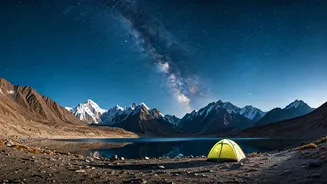
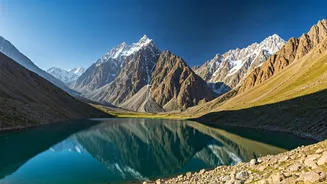
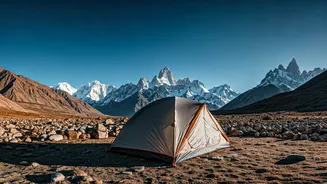
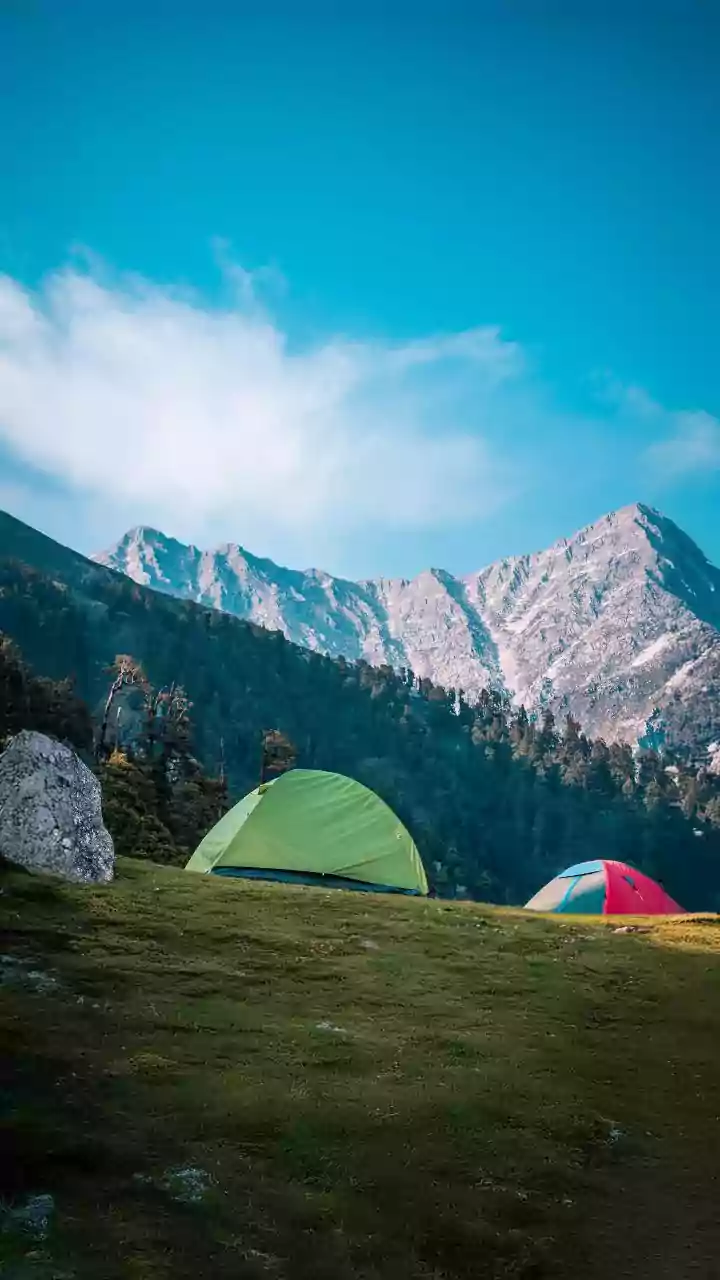
There are few experiences as magical as camping near Chandratal, the 'Lake of the Moon'. Situated at an altitude of about 4,300 metres, the campsites here are not on the lake’s fragile banks but are located a few kilometres away to protect its delicate
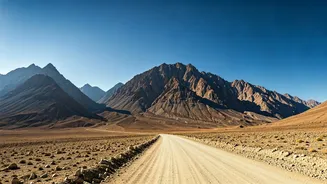
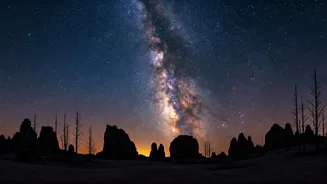
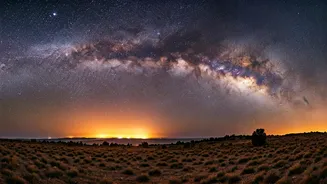
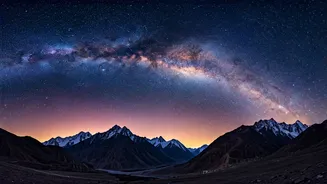
ecosystem. Waking up here is an event in itself. The air is thin and chilly, even in peak summer, and the landscape is breathtakingly stark. Camps are typically Swiss tents with attached or common washrooms, offering basic but comfortable amenities like warm bedding and simple, hearty meals. The main activity is the short trek to the lake itself. As the sun moves, the crescent-shaped lake changes colour from turquoise to emerald green. At night, the absence of city lights reveals a spectacular canopy of stars, making it a paradise for astrophotographers and dreamers alike. This is raw, unfiltered nature at its best.
The Basecamp Hub: Campsites Near Kaza
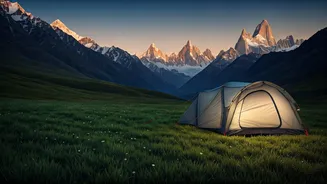
Kaza, the sub-divisional headquarters of Spiti, serves as the perfect base for exploring the valley. Several organised campsites are located on its outskirts, offering a blend of accessibility and adventure. These camps provide a more comfortable experience compared to remote sites like Chandratal, often featuring better facilities, bonfire nights, and sometimes even cultural performances. From Kaza, you can take day trips to some of Spiti's most iconic monasteries, like Key Monastery, and visit the high-altitude villages of Kibber and Chicham. Camping near Kaza allows you to acclimatise properly before venturing to higher altitudes. It’s the ideal choice for first-time visitors to Spiti or those who prefer having access to markets, cafes, and the world’s highest retail petrol outlet while still enjoying the camping experience.
High-Altitude Hamlets: Kibber and Langza
For a more immersive cultural experience, consider camping near the villages of Kibber and Langza. Perched at over 4,200 metres, these hamlets offer a glimpse into the resilient life of the Spitian people. While some travellers opt for homestays, several campsites have sprung up nearby, allowing you to stay close to the local community. In Langza, a giant Buddha statue watches over the valley, and the surrounding fields are rich with ancient marine fossils. Kibber, once one of the highest motorable villages, is a gateway to the Kibber Wildlife Sanctuary, where you might spot a Blue Sheep or, if you're incredibly lucky, the elusive Snow Leopard. Camping here feels less commercial and more integrated with the landscape and its people. You’ll be trading luxury for authenticity, a bargain that pays off in unforgettable memories.
Monastery Views: Camping Near Dhankar
Imagine unzipping your tent to a panoramic view of the spectacular Dhankar Monastery, perched precariously on a high spur overlooking the confluence of the Spiti and Pin rivers. Camping near Dhankar offers just that. While options are more limited and rustic here, the experience is unparalleled. The setting is dramatic, with the 1,000-year-old monastery complex clinging to the cliffside. A short but steep hike from the village leads to the serene Dhankar Lake, another high-altitude gem. The campsites in this area are often basic, run by local families, providing an intimate setting away from the more crowded tourist spots. It’s a place for contemplation, photography, and appreciating the sheer scale of the Himalayas. The combination of history, spirituality, and rugged nature makes it a truly unique spot to pitch a tent.
Essential Prep for High-Altitude Camping
Spiti’s beauty comes with challenges. The key to a successful trip is preparation. First, acclimatisation is non-negotiable. Spend at least a night or two in a lower-altitude town like Manali or Kalpa before ascending. Drink plenty of water and avoid strenuous activity for the first couple of days. The sun is harsh at this altitude, so pack high-SPF sunscreen, sunglasses, and a wide-brimmed hat. Temperatures drop drastically at night, even in summer, so carry multiple layers of warm clothing, including thermals, a fleece jacket, and a windproof outer layer. A good pair of broken-in trekking shoes is essential. While most organised camps provide bedding, carrying a sleeping bag liner can add extra warmth and hygiene. Finally, network connectivity is sparse to non-existent. Inform your family of your itinerary and embrace the digital detox.