
From Sightseeing to Story-Living
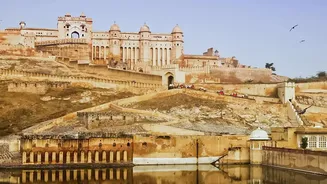
For years, the idea of a perfect holiday was often tied to a checklist of famous monuments and postcard-perfect landscapes. Today, that model is being rewritten. A significant trend is emerging across India where the ‘what’ of a trip is being decided
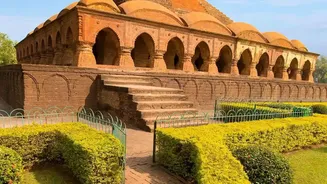
before the ‘where’. Instead of picking a destination and then finding things to do, travellers are choosing an experience first—be it a festival, a culinary trail, or a craft workshop—and then selecting the location. A recent report revealed that two-thirds of Indian travellers now plan their holidays around cultural experiences like heritage, festivals, and food. This marks a fundamental change from treating culture as an afterthought to making it the very reason for the journey. It's a move away from passive observation towards active participation; less about seeing a place and more about understanding its story.
The Search for Authentic Connection
So, why the change? Part of it is a deeper search for authenticity in an increasingly digital world. The post-pandemic era, in particular, seems to have accelerated a desire for more meaningful travel. After periods of restriction, many are seeking genuine connections—with places, with people, and with their own heritage. This is reflected in the boom of domestic travel, with more Indians choosing to explore the richness within their own country. Recent surveys highlight this growing interest, with 84% of travellers admitting their fascination with culture-led travel within India has grown. This isn't just about nostalgia; it’s about trading the impersonal for the personal. It's choosing the warmth of a family-run homestay over a standardised hotel room and favouring a home-cooked regional meal over a generic buffet.
Homestays and Handlooms
This trend is powerfully illustrated by the explosive growth of the homestay market, which is projected to grow at a compound annual rate of nearly 14% through 2034. Travellers are increasingly opting for these accommodations because they offer an unfiltered window into local life. Staying with a host family provides direct access to local knowledge, from hidden gems to the best spots for authentic cuisine. Furthermore, there's a growing desire to engage with India’s rich artisanal traditions. Travellers are not just buying crafts; they are seeking experiences where they can learn from the artisans themselves. Whether it’s a pottery workshop in Rajasthan, a weaving demonstration in Kutch, or learning about traditional art forms, these participative activities are becoming central to the holiday experience.
The Digital Megaphone
This movement towards local culture is being amplified by social media. Platforms like Instagram and YouTube have become the primary sources of discovery for many travellers, turning once-obscure villages and forgotten heritage sites into desirable destinations. A well-shot reel can democratise travel, highlighting the unique appeal of a lesser-known festival or a local culinary specialty. This digital word-of-mouth has also pushed tourism beyond the major metro cities. According to one report, one in four travellers is now heading to Tier 2 and Tier 3 towns specifically for cultural experiences, eager to explore beyond the well-trodden tourist circuit. This digital discovery is also influencing how trips are planned, with many travellers now planning three to six months in advance for specific cultural events, a shift from the typical last-minute booking habit.
Festivals and Food as Destinations
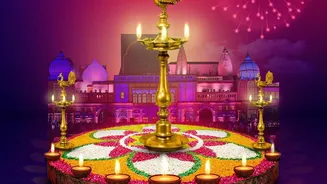
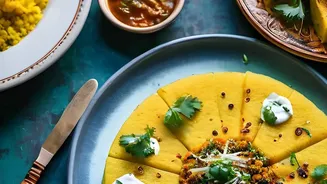
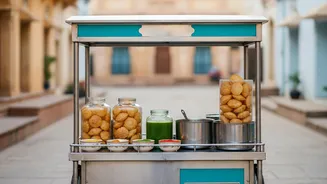
Perhaps nothing captures this trend better than the rise of festival and food-led tourism. Major cultural and religious festivals like Kolkata's Durga Puja or Ganesh Chaturthi are no longer just local celebrations; they are major travel drivers. An overwhelming 72% of travellers say they would consider planning an entire trip just to attend such an event. Similarly, regional food is a powerful motivator, with 43% of travellers stating they would plan a holiday specifically around culinary experiences. This reflects a desire to connect with a destination through its flavours, traditions, and community life, turning every meal and every celebration into a memorable part of the travel story.