




1. For Unbeatable Freshness and Flavour
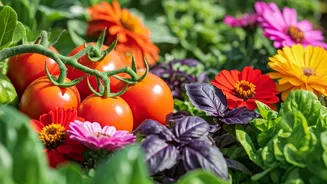
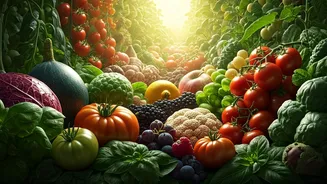
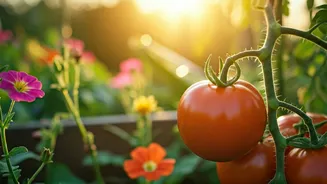
There is simply no comparison between a tomato plucked from your own plant and one that has travelled hundreds of kilometres to a supermarket shelf. Homegrown produce offers a depth of flavour and a nutritional punch that is often lost during transportation
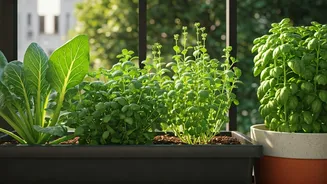
and storage. Imagine snipping fresh coriander for your dal, grabbing a few mint leaves for your chai, or slicing a cucumber that was on the vine just minutes ago. This direct farm-to-table (or pot-to-plate) experience is a major driver of the trend. People are rediscovering that real food has vibrant tastes and textures, and the only way to guarantee that level of freshness is to grow it yourself.
2. As a Powerful Tool for Mental Wellness
In our fast-paced, screen-dominated lives, gardening offers a vital escape. The simple, repetitive acts of watering, weeding, and tending to plants have a proven therapeutic effect. Known as horticultural therapy, this practice can reduce stress, anxiety, and symptoms of depression. The focus required for gardening provides a form of mindfulness, pulling you into the present moment and away from daily worries. The satisfaction of seeing a tiny seed sprout and grow into a flourishing plant provides a tangible sense of accomplishment and purpose. It’s a quiet, nurturing activity that grounds us and reconnects us to the natural world, even in the middle of a bustling city.
3. To Gain Control Over Your Food's Purity
Concerns about pesticides, chemical fertilisers, and artificial ripening agents are widespread. The home garden offers a powerful solution: complete control over what goes into your food. By managing the soil, water, and pest control methods yourself, you can ensure your family is eating produce that is genuinely organic and free from harmful residues. This is not just about health; it’s about peace of mind. For parents, it's a way to provide the purest possible nutrition for their children. For everyone else, it’s an act of reclaiming transparency in a food system that can often feel opaque and untrustworthy.
4. As an Act of Everyday Sustainability
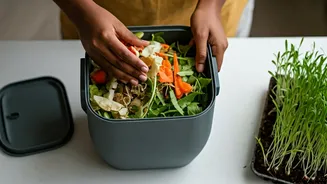
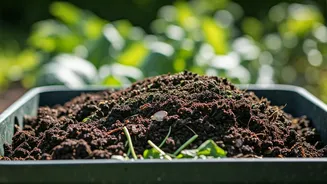
Many of us are looking for practical ways to live more sustainably, and home gardening is a perfect fit. Growing even a small portion of your own food significantly reduces your carbon footprint. It eliminates ‘food miles’—the energy consumed in transporting produce across the country. It also cuts down on single-use plastic packaging, from flimsy herb packets to styrofoam trays. Furthermore, home composting kitchen scraps to create nutrient-rich soil for your garden is a brilliant way to reduce household waste and create a closed-loop system in your own home. It’s a small but meaningful way to contribute to a healthier planet.
5. To Beautify Living Spaces with Greenery
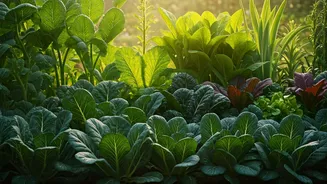
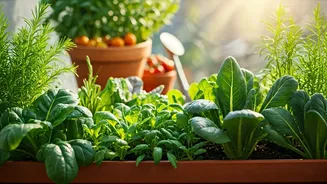
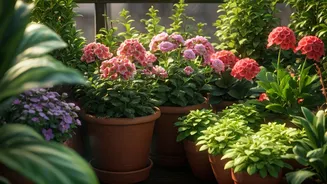
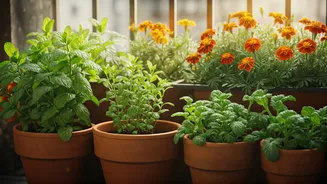
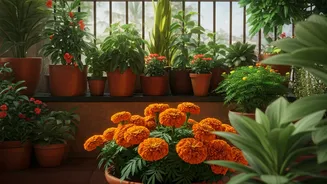
Beyond the practical benefits, home gardens are an aesthetic upgrade. A lush balcony filled with green leaves and colourful vegetables transforms a concrete space into a personal oasis. Vertical gardens can turn a plain wall into a living work of art, while pots of herbs on a windowsill can bring life and fragrance into the kitchen. In urban environments where green space is a luxury, a home garden creates a visual and psychological retreat. It softens harsh architectural lines, purifies the air, and makes a home feel more alive and welcoming. It's interior (and exterior) design that also feeds you.
6. For the Smart Financial Savings
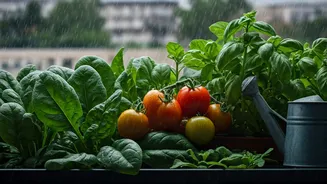
While there's an initial investment in pots, soil, and seeds, a well-maintained home garden can lead to significant savings over time. High-quality organic vegetables, exotic lettuces, and fresh herbs like basil, rosemary, and thyme can be expensive at the store. Growing them at home costs a fraction of the price. A single tomato plant can yield several kilos of fruit over a season, and herbs can be harvested repeatedly. This makes the hobby not just fulfilling but also economically savvy, freeing up grocery budget for other things while providing a steady supply of premium produce.