







From Financial Fog to Daily Clarity
The single most effective money habit you can build is awareness. It sounds simple, but consciously knowing where every rupee is spent is the foundation of financial control. For generations, this meant meticulously noting expenses in a diary. Today,
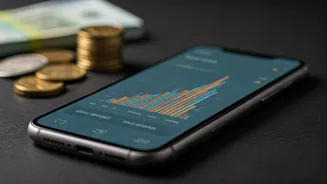
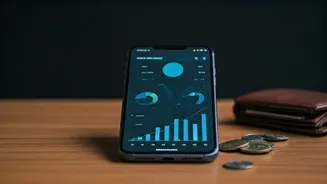
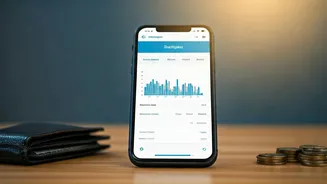
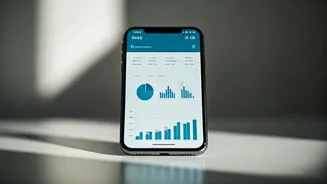
technology does the heavy lifting. The core habit remains the same: paying attention. The big difference is that budgeting apps transform this from a chore into an automated, insightful process. They turn abstract spending into clear, visual data, helping you understand your financial behaviour without judgement. This isn't about restrictive budgeting from day one; it's about making your financial life visible.
Your Automated Financial Assistant
Modern budgeting apps are designed to eliminate the friction that makes manual tracking so difficult to maintain. Many popular apps in India, such as Moneyview and Axio (formerly Walnut), can automatically track your spending by reading transaction SMS alerts from your banks. This means every UPI payment, credit card swipe, and online purchase is logged and categorized without you lifting a finger. Features like bill reminders and subscription tracking help you avoid late fees and manage recurring payments. The app essentially becomes a personal financial assistant, tirelessly organizing your transactions and presenting you with a clear, real-time picture of your spending.
The Power of Seeing Your Spending
The true power of this habit emerges when you start seeing patterns. An app can instantly show you, with colourful charts and simple summaries, that your daily coffee habit or frequent food delivery orders are costing more than you realised. This is a well-documented psychological effect: making electronic money feel real and tangible increases your conscious awareness of spending. This visibility is not about shaming you, but empowering you. When you see that a significant portion of your income goes towards a specific category, you can make an informed decision about whether that spending aligns with your values and goals. It turns mindless spending into mindful choices.
From Tracking to Proactive Goal-Setting
Once you have a clear picture of your cash flow for a month or two, you can move from passive tracking to active planning. Most budgeting apps include features for setting financial goals. Whether you’re saving for a new phone, a vacation, or a down payment, the app allows you to create a goal and track your progress. Seeing that goal get closer with every rupee saved provides powerful motivation. Some apps use methods like the 'envelope system' (like Goodbudget) where you allocate funds to virtual envelopes for different categories, ensuring you don't overspend. This shifts your mindset from just watching money to directing it where you want it to go.
How to Choose the Right App for You
The best app is the one you'll actually use. When choosing, consider a few key factors. Do you prefer automatic tracking via SMS or manual entry for greater control? If you manage family finances, look for an app with shared budget features. Also, check for India-specific functionalities like UPI and EMI tracking. Many apps offer a free version with basic features, which is often sufficient to build the habit. Popular choices in India include all-rounders like ET Money, automatic trackers like Moneyview, and manual-entry focused apps like Money Manager. The key is to start simple. Focus on consistently tracking your expenses first, before diving into advanced features.