




1. The Resurgence of Walking
The most basic form of movement is now India's biggest fitness trend. From brisk morning walks in neighbourhood parks to post-dinner strolls, walking has become a national pastime. Why the comeback? It's free, requires no special equipment, and is incredibly
effective. Doctors widely recommend it for managing lifestyle diseases like diabetes and hypertension, which are on the rise. Moreover, a powerful community aspect has emerged. Across cities, walking clubs and groups have formed, turning a solitary activity into a social one. This blend of health benefits, low cost, and community bonding makes walking the undisputed champion of simple exercise in India.
2. Yoga at Home, On Your Terms
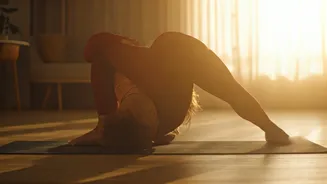
While yoga's roots are in India, its modern revival has a new twist: digital accessibility. The pandemic accelerated the shift from studios to living rooms. Today, countless apps and YouTube channels, led by Indian instructors, offer high-quality yoga classes for free or at a low cost. This democratisation has allowed people to practise on their own schedules, focusing on what they need—be it stress relief, flexibility, or strength. It has moved beyond a purely physical pursuit to become a tool for mental wellness, a crucial need in today's fast-paced world. The modern Indian yogi is likely rolling out their mat at home, guided by a screen but deeply connected to an ancient practice.
3. The Bodyweight Training Boom
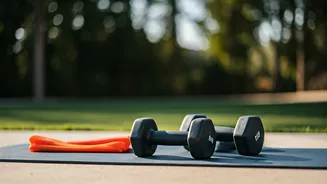
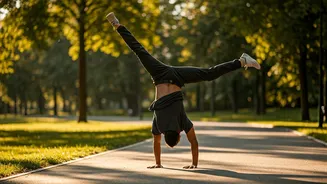
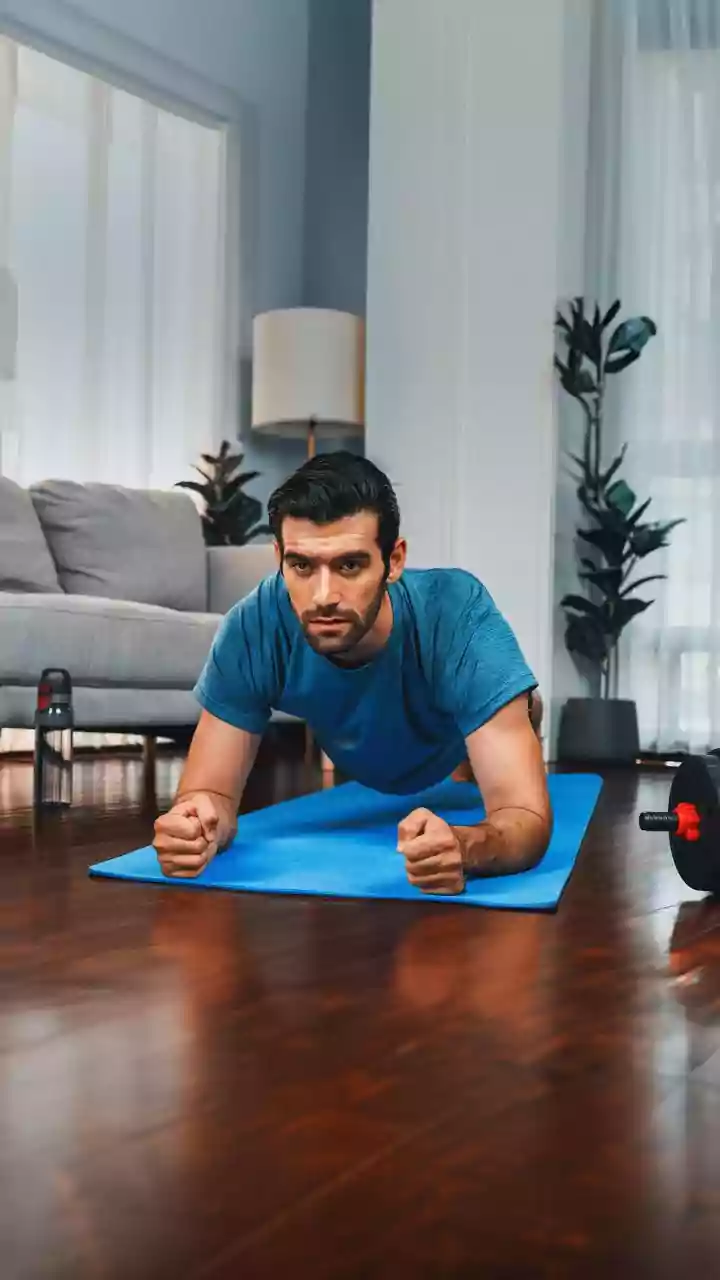
The idea that you need a gym full of weights to build muscle is fading fast. Influenced by fitness creators on social media and a growing interest in calisthenics, bodyweight training is booming. Exercises like push-ups, squats, lunges, and planks require nothing but floor space and determination. This 'no excuses' approach to fitness appeals to a generation that values efficiency and results. It's particularly popular among young people in cities, who may lack the space for a home gym or the budget for a membership. It’s a powerful reminder that the human body is its own best gym.
4. Cycling's Quiet Comeback
The humble bicycle is making a comeback, not just as a mode of transport but as a preferred form of exercise. In many cities, the push for better urban infrastructure, including dedicated cycling lanes, has encouraged more people to take to two wheels. Weekend cycling groups explore city outskirts, while others incorporate cycling into their daily commute. It’s a low-impact cardiovascular workout that’s easier on the joints than running. The rise of affordable, Indian-made bicycles and rental services has further lowered the barrier to entry, making it an attractive option for both fitness and leisure.
5. Functional Fitness: Movement as a Way of Life
Perhaps the most profound shift is the growing awareness of 'functional fitness'—integrating movement into everyday life. This is less about scheduled workouts and more about a mindset. It means taking the stairs instead of the lift, carrying groceries instead of using a trolley for a short distance, or doing simple stretches during a work break. It’s a return to a more natural, active way of living that our grandparents might recognise. This approach fights the negative effects of a sedentary lifestyle and emphasizes that health is built through small, consistent choices throughout the day, not just in one hour at the gym.