






The Dream of Self-Healing Roads
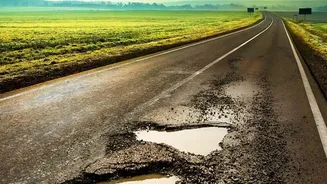
The annual cycle of road decay and repair is a familiar story across India. Heavy rains seep into microscopic cracks in the asphalt, which widen under the stress of traffic, eventually becoming bone-jarring potholes. This cycle is not only frustrating
for commuters but also a massive drain on municipal budgets. The concept of self-healing roads aims to break this cycle. Instead of waiting for damage to become severe, these advanced pavements are designed to repair small cracks automatically as they form. This proactive approach could dramatically extend the lifespan of roads, improve safety, and reduce the long-term costs and environmental impact of constant maintenance. While the idea isn't entirely new, recent advancements in material science are bringing it closer to reality.
What Are Bio-Engineered Binders?
At the heart of this innovation are bio-engineered binders, often called 'bio-binders'. Traditional asphalt uses bitumen—a sticky, black substance derived from crude oil—to hold stones and sand together. Bio-binders are sustainable alternatives made from renewable, natural materials like plant-based oils, agricultural by-products, lignin from paper production, and even waste cooking oil. These organic materials are engineered to mimic or even enhance the properties of petroleum-based bitumen. They can be formulated to create asphalt that is more flexible and resistant to the temperature swings and heavy rainfall typical of a monsoon climate, reducing the risk of cracking in the first place.
The Science of 'Automatic' Repair
The "automatic fixing" part of the headline relies on several clever techniques. One of the most promising is microencapsulation. Imagine tiny, microscopic capsules filled with a rejuvenating agent (a type of oil) mixed into the asphalt. When a micro-crack forms, it breaks open these capsules. The agent is released, flows into the crack, and softens the surrounding aged binder, effectively 'healing' the damage and sealing the gap before water can penetrate and cause a pothole. Other methods involve incorporating special polymers that improve the asphalt's ability to recover from stress or adding conductive particles like steel fibres. These fibres allow the road to be heated with an external magnetic or microwave field, which softens the binder just enough to flow and close cracks—a sort of on-demand healing process.
Potential for Indian Cities
The advantages for India are immense. With one of the world's largest road networks, which is heavily used and exposed to extreme weather, the maintenance burden is enormous. Self-healing technologies promise longer-lasting roads, meaning fewer traffic disruptions for repairs and a significant reduction in the annual budget allocated to fixing potholes. Furthermore, the use of bio-binders aligns with sustainability goals by reducing reliance on fossil fuels and often lowering the carbon footprint of road construction. Research bodies in India, including the Central Road Research Institute (CRRI) and various IITs, are already experimenting with polymer and bio-bitumen variants tailored for the country's specific climate and heavy traffic loads, drawing inspiration from pilot projects in countries like the Netherlands and China.
The Road Ahead
Despite the enormous potential, widespread adoption of self-healing roads faces challenges. The initial cost of these advanced materials can be higher than traditional asphalt, requiring a shift in perspective towards long-term lifecycle savings versus upfront expenses. Ensuring the durability of these healing mechanisms over many years of traffic and weather exposure is another critical area of ongoing research. The National Highways Authority of India (NHAI) has reportedly shown interest in exploring these technologies, potentially starting with pilot projects to test their effectiveness and cost-benefit in real-world Indian conditions. As the technology matures and costs come down, these innovative materials could move from research labs to our city streets.