



Why Plant Protein Is a Powerhouse
First, let's clear up a common myth. Plant-based proteins are incredibly effective for muscle repair and growth. Your muscles need amino acids to rebuild after exercise, and while animal proteins have long been the default, plant sources are just as capable.
The key is variety. Some plant foods like quinoa, tofu, tempeh, and hemp seeds are 'complete proteins', meaning they contain all nine essential amino acids your body can't produce on its own. But you don't need to eat a complete protein at every single meal. By eating a diverse range of plant foods—like beans, lentils, nuts, and grains—throughout the day, your body gets everything it needs to build and repair muscle tissue effectively.
The 'Anabolic Window': Timing Your Meal
You've probably heard of the 'anabolic window'—the period after a workout when your muscles are primed to absorb nutrients. While you don't need to panic and down a shake the second you finish your last rep, aiming to eat within 30 to 90 minutes post-exercise is a great strategy. This timing helps replenish your energy stores (glycogen) and provides the necessary protein to kick-start the muscle repair process, reducing soreness and speeding up recovery. A meal or snack combining quality carbohydrates and protein is the ideal choice.
Swap This: Chicken Breast
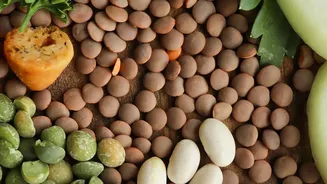
For That: Chickpeas or Lentils. A staple in many fitness diets, chicken can be easily replaced with versatile and affordable legumes. A cup of cooked lentils provides around 18 grams of protein, along with beneficial fibre and iron. Chickpeas are another fantastic option. While chicken is a complete protein on its own, you can easily create one by pairing legumes with a grain. For a simple post-workout meal, swap diced chicken for chickpeas in a curry or have a hearty lentil soup with a side of whole-grain bread. This classic pairing ensures you get all the essential amino acids needed for muscle synthesis.
Swap This: Whey Protein Shake
For That: Soy or Pea Protein Shake. If protein powder is your go-to for convenience, there's no need to give it up. Soy protein is a plant-based powerhouse, offering a complete amino acid profile that is highly effective for muscle gain, much like whey. A scoop of soy protein isolate can deliver 20-25 grams of protein. For those who avoid soy, pea protein is an excellent alternative. It's rich in the branched-chain amino acids (BCAAs) crucial for muscle recovery and is easily digestible. Blending it with some fruit for carbs makes for a perfect, quick recovery drink.
Swap This: Scrambled Eggs
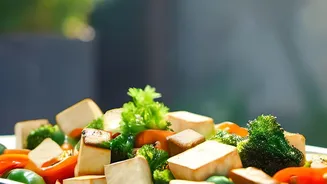
For That: Tofu Scramble. Eggs are a breakfast favourite for their protein content, but a tofu scramble is a fantastic plant-based substitute. A half-cup of firm tofu contains around 10 grams of protein and readily absorbs any flavour you add. Crumble a block of firm tofu into a pan with spices like turmeric (for colour), black salt (for an 'eggy' flavour), and nutritional yeast, which adds a cheesy taste and is a complete protein source itself. It's a quick, high-protein meal that pairs perfectly with whole-grain toast and avocado to refuel after a morning workout.
Smart Prep for Consistent Success
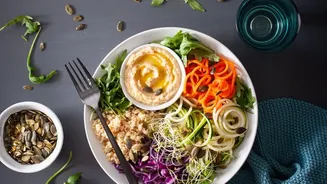
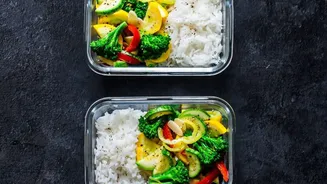
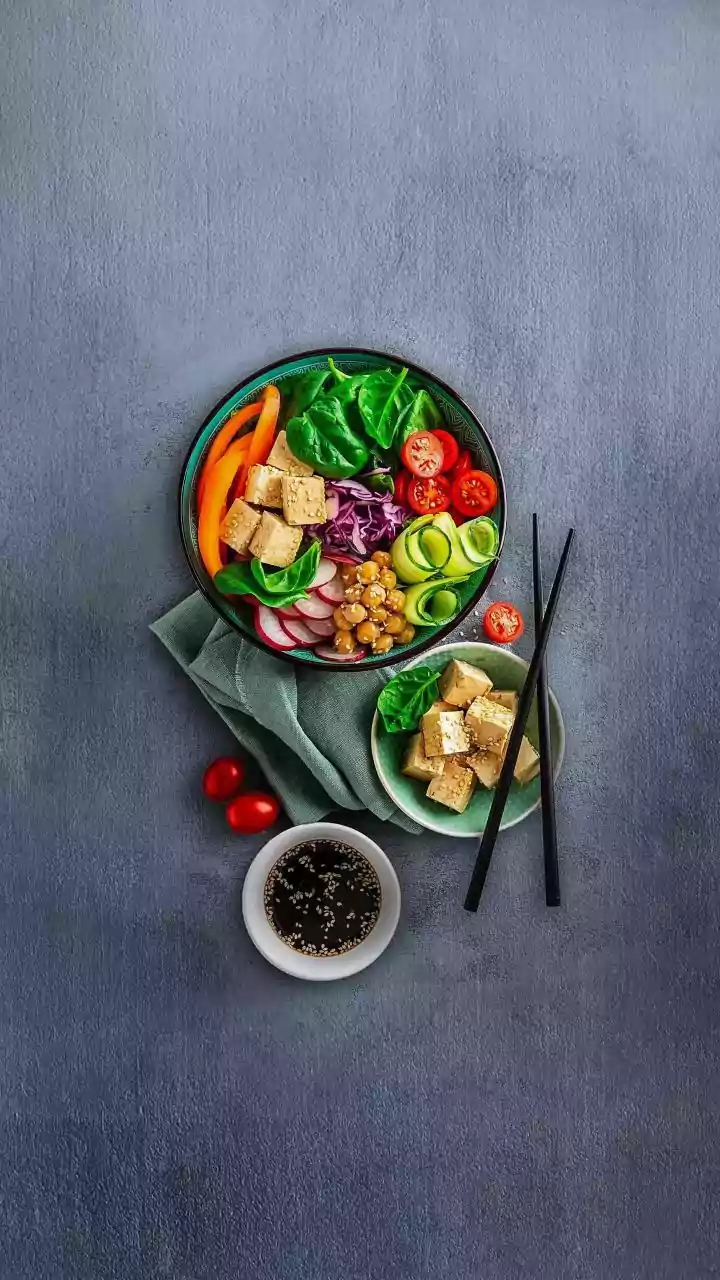
Consistency is where results are built. Spending an hour or two on the weekend can set you up for a week of effortless post-workout meals. Start by batch-cooking staples. Cook a large pot of quinoa, brown rice, or lentils. Roast a tray of versatile vegetables like sweet potatoes and broccoli. Press and bake or air-fry a block of tofu so it's ready to be added to salads and bowls. You can also prepare a big batch of hummus for a quick protein-rich snack with pita or raw veggies. Having these components ready in your fridge means you can assemble a nourishing meal in minutes, ensuring you never miss your recovery window.