



Why Your Visit Matters
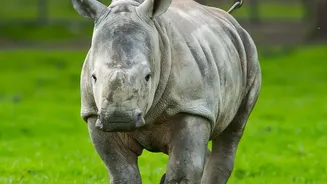
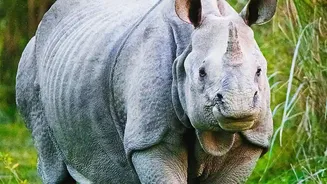
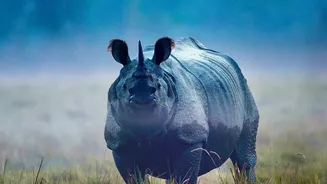
Kaziranga is more than just a park; it's a UNESCO World Heritage Site and one of Asia's greatest conservation success stories. After being pushed to the brink of extinction, the Indian rhino population has rebounded thanks to strict protection, with over
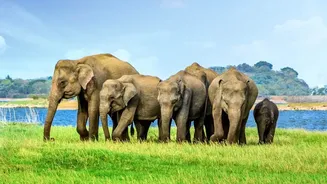
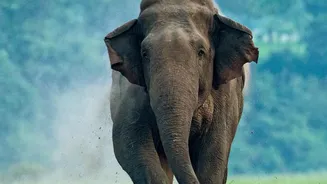
2,600 rhinos now residing in the park. It's also a designated Tiger Reserve and a vital habitat for elephants, wild water buffalo, and hundreds of bird species. Tourism, when conducted responsibly, provides crucial revenue for these conservation efforts and supports the local communities that are essential partners in protecting this incredible biodiversity. Your choices as a visitor have a direct impact on the future of this fragile ecosystem.
Choosing Your Safari: Jeep vs. Elephant
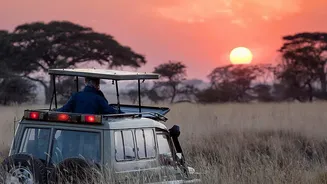
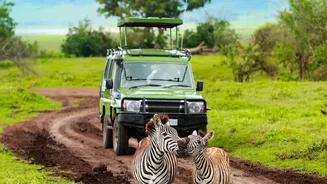
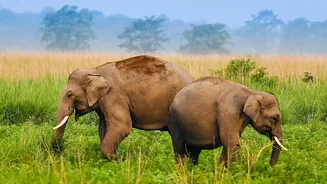
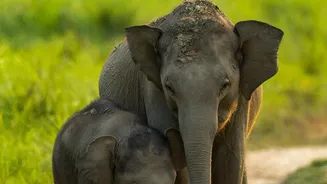
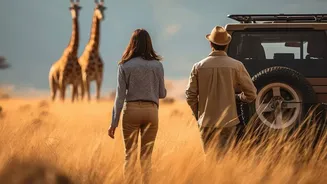
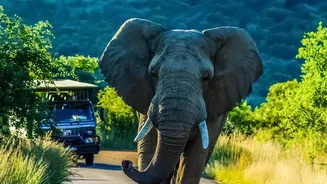
Visitors have two main ways to explore the park: jeep safaris and elephant safaris. Jeep safaris cover more ground across the park's different ranges—Central (Kohora), Western (Bagori), Eastern (Agaratoli), and Burapahar—offering a broad overview of the diverse habitats and a better chance to see a variety of animals. Elephant safaris, conducted only in the early morning in the Central and Western ranges, allow for uniquely quiet, close encounters with rhinos in the tall grasslands where jeeps cannot go. However, the ethics of elephant-back tourism are complex. While Kaziranga's elephant safaris are regulated by the Forest Department, some animal welfare advocates argue against them, citing the harsh training methods used to domesticate elephants. Other sources note that these elephants also play a role in anti-poaching patrols. The choice ultimately rests with the individual traveller to weigh the unique experience against the ethical considerations.
The Golden Rules of Conduct in the Park
A respectful safari experience is a quiet one. Always follow the instructions of your guide and driver. Maintain silence, especially during sightings, as loud noises can stress the animals and ruin the experience for everyone. Dress in neutral, earth-toned colours like khaki, brown, or olive green; bright colours can draw unwanted attention from wildlife. Under no circumstances should you ever feed the animals, as this disrupts their natural behaviour. Flash photography is strictly prohibited as it can harm an animal's vision. It is also forbidden to get down from the safari vehicle, smoke, play music, or carry plastic inside the park. The guiding principle is simple: leave no trace. Carry out everything you carry in.
When to Go and How to Book
Kaziranga National Park is typically open to visitors from November 1st to the end of April, closing for the monsoon season. For the 2026-27 season, jeep safaris began in some ranges as early as October 3rd, with elephant safaris starting on November 1st. The best time for wildlife viewing is generally between December and March, when the weather is cool and dry, and the tall elephant grass has been cut back, improving visibility. Safaris should be booked in advance, especially during peak season, through the official park portal or authorised tour operators. Jeep safaris run in both morning and afternoon slots, while elephant safaris are a dawn-only activity, usually with slots between 5:15 AM and 7:15 AM.
Beyond the Safari: Supporting the Ecosystem
Your responsibility doesn't end when the safari does. You can extend your positive impact by making conscious choices in the surrounding areas. Opt to stay at eco-friendly lodges that prioritize sustainable practices. Support the local economy directly by purchasing handicrafts from community artisans and dining at local establishments. Respecting the local culture is as important as respecting the wildlife; always ask for permission before taking photographs of people. By engaging with the community respectfully and investing in local, sustainable businesses, you help create a stewardship model where the people who live alongside this magnificent park benefit directly from its protection.