




The Ancient Spiritual Quest
Yoga’s origins stretch back over 5,000 years in India, not as a form of exercise, but as a comprehensive spiritual science. The word 'yoga' comes from the Sanskrit root 'yuj', which means 'to unite' or 'to yoke'. The ultimate goal was never about achieving
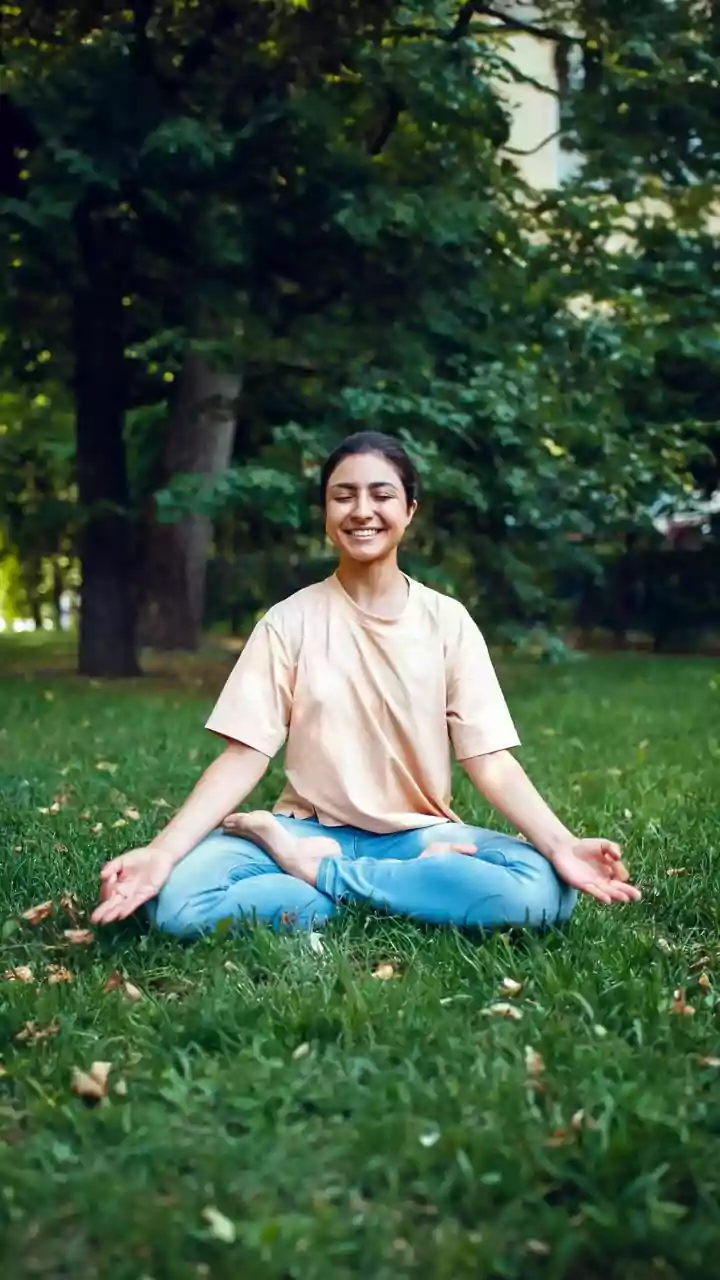
a perfect posture, but about uniting the individual consciousness with the universal spirit, a state known as 'moksha' or liberation. Early references in sacred texts like the Vedas focused on meditation and self-discipline to quiet the mind. Around 400 CE, the sage Patanjali systematized this practice in the Yoga Sutras, outlining an eight-limbed path. These limbs include ethical principles (Yamas), personal observances (Niyamas), breath control (Pranayama), and meditation (Dhyana). Physical postures, or 'asanas', were just one of the eight limbs, intended primarily to prepare the body to sit comfortably for long periods of meditation.
The First Journey To The West
For centuries, yoga remained a practice largely confined to the Indian subcontinent. Its journey into global consciousness began in earnest in the late 19th century. A pivotal moment occurred in 1893 when Swami Vivekananda addressed the Parliament of the World's Religions in Chicago. He introduced Western audiences not to asanas, but to the philosophical and meditative dimensions of yoga, specifically Raja Yoga. His articulate and rational presentation of Vedanta philosophy captivated attendees and established the first real foothold for Indian spirituality in America. Vivekananda's mission was to share the spiritual wisdom of India, emphasizing that yoga was a universal science of self-realization, not tied to a specific dogma. He laid the intellectual groundwork that would allow future gurus and teachers to find a receptive audience.
The Shift Toward The Physical
The 20th century saw a significant evolution in how yoga was taught and perceived, especially as it adapted to Western sensibilities. A key figure in this transformation was B.K.S. Iyengar. A student of the influential T. Krishnamacharya, Iyengar developed a method that placed immense focus on precise physical alignment in each asana. His seminal 1966 book, 'Light on Yoga', meticulously detailed hundreds of postures with clear instructions and photographs, making the physical practice accessible to a global audience for the first time. Iyengar also pioneered the use of props like blocks, straps, and blankets, allowing people of all ages and abilities to practice safely. This emphasis on the physical body as a gateway to spiritual and mental well-being, rather than esoteric philosophy, was a revolutionary step that resonated deeply with a health-conscious Western culture.
The Rise Of The Wellness Industry
By the late 20th century, yoga's shift from a niche spiritual practice to a mainstream activity was well underway. The 1960s counterculture movement had sparked interest in Eastern spirituality, but it was the fitness boom of the 1980s and 90s that catapulted yoga into a commercial phenomenon. Yoga studios proliferated, moving the practice from ashrams into secular gyms and dedicated urban spaces. New, dynamic styles like Power Yoga and Vinyasa Flow emerged, emphasizing a vigorous workout and appealing to a fitness-oriented crowd. This commercialization created a massive global market for classes, teacher trainings, yoga apparel, mats, and wellness retreats, turning yoga into a multi-billion-dollar industry. Celebrity endorsements and social media further cemented yoga's status as a desirable and fashionable lifestyle choice.
Modern Yoga: A Global Tapestry
Today, yoga is a global movement practiced by an estimated 300 million people. Its forms are incredibly diverse, ranging from traditional Hatha and Ashtanga to contemporary inventions like goat yoga and hot yoga. The practice is integrated into corporate wellness programs, school curricula, and therapeutic settings. This widespread adoption has sparked a debate about authenticity and cultural appropriation, with critics noting that the focus on physical fitness often overshadows yoga's spiritual and ethical foundations. Yet, this accessibility is also what allows millions to experience its benefits, such as stress reduction and improved flexibility. Many modern practitioners, initially drawn to the physical aspects, eventually find themselves exploring the deeper dimensions of meditation, breathwork, and philosophy that have been at the heart of the practice all along.