



Master Your Drainage
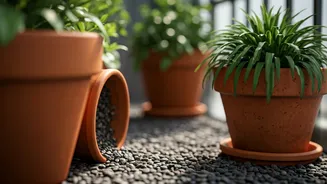
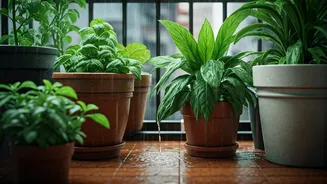
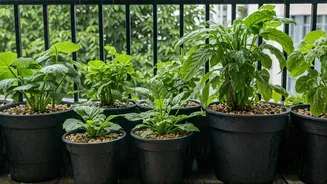
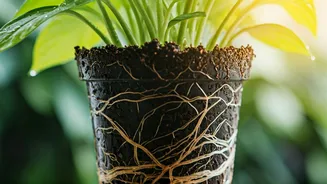
The single biggest threat to potted plants during the monsoon is waterlogging. Roots need air as much as water, and when they sit in soggy soil, they can begin to rot. First, ensure every pot has clear drainage holes. It's a common myth that adding pebbles
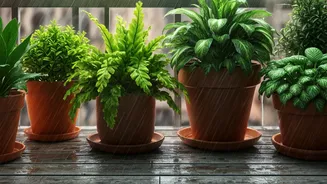
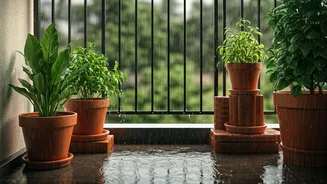
at the bottom helps; in fact, it can hinder drainage. Instead, use a well-draining potting mix throughout the container. Elevating your pots on bricks, tiles, or dedicated 'pot feet' allows water to escape freely and improves air circulation underneath. During heavy rains, it’s wise to remove the saucers or trays beneath your pots, as they can quickly fill up and leave your plants standing in water.
Improve Your Soil Mix
Heavy rains can compact soil, making it harder for water to drain and air to reach the roots. To combat this, use a light, well-draining soil mix. A good combination often includes cocopeat, compost, and perlite. Avoid heavy clay soils which retain too much moisture. You can also gently loosen the top layer of soil in your pots with a small trowel or stick after a heavy shower to improve aeration. Adding a top dressing of compost or vermicompost every few weeks can also improve soil structure and provide nutrients that might be washed away by the rain.
Provide Physical Shelter
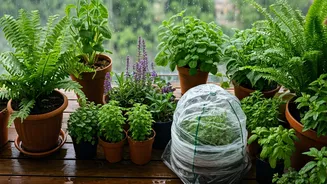
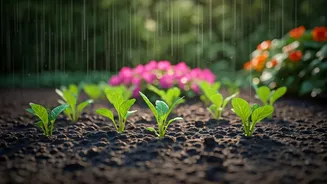
For delicate plants, direct, heavy rainfall can damage leaves and flowers. The simplest solution is to move smaller pots to a sheltered area, like against a wall or under an overhang, before a downpour. For larger, immovable pots, you might consider a temporary cover. A waterproof tarpaulin, an old umbrella, or even DIY covers made from plastic sheets can be effective. Some gardeners create simple frames from bamboo and clear plastic to act as a mini-greenhouse during the wettest periods. This protects plants from the physical impact of rain while still allowing light through.
Prune and Support Your Plants
Strong monsoon winds can be just as damaging as the rain. Taller plants can be snapped or uprooted from their pots. Before the season gets underway, prune back overgrown branches to reduce wind resistance. This also helps improve air circulation, which can lower the risk of fungal diseases that thrive in damp conditions. For tall or top-heavy plants, provide support by tying them loosely to stakes or a trellis. Use a figure-eight loop of soft twine to avoid damaging the stem.
Choose Monsoon-Ready Plants
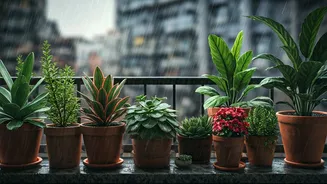
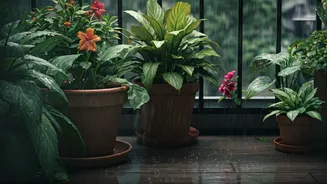
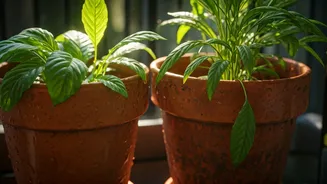
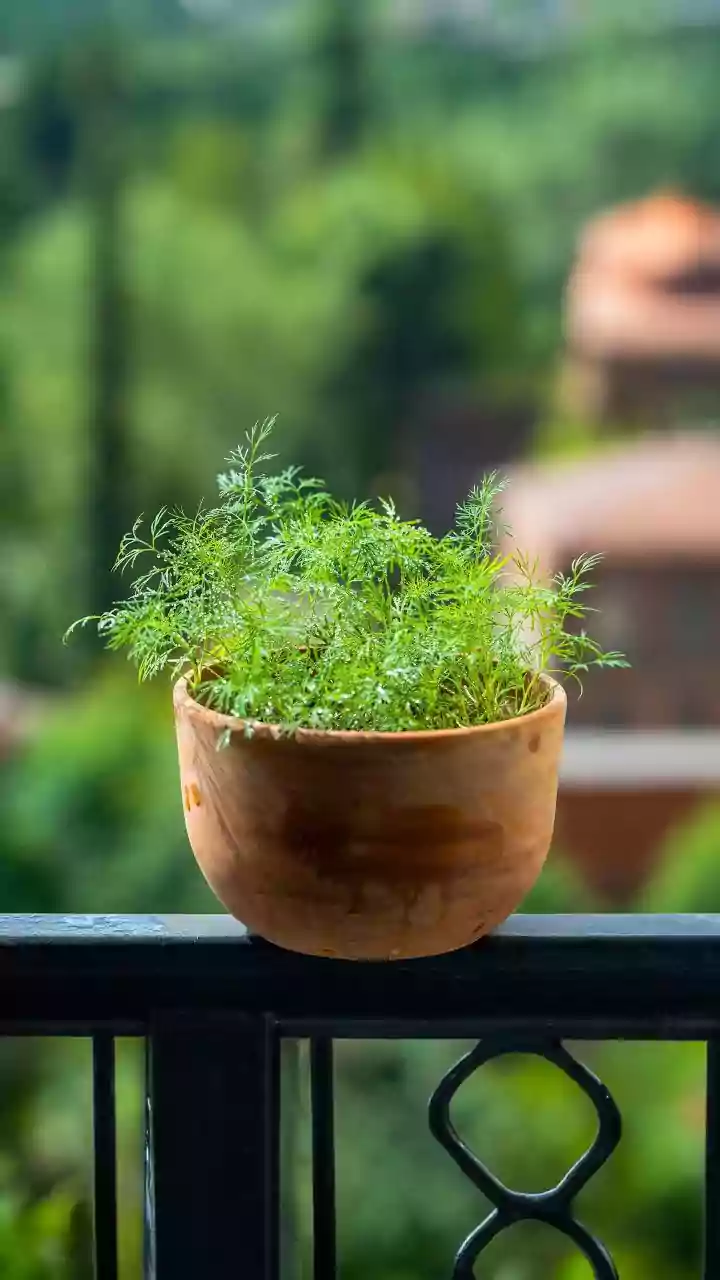
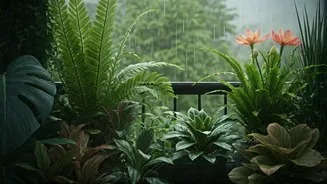
Some plants are simply better equipped to handle the rainy season. Tropical foliage plants like ferns, peace lilies, and money plants often thrive in the high humidity. For colour, hibiscus, jasmine, and rain lilies are excellent choices that love the moist conditions. If you enjoy growing your own food, leafy greens like spinach and herbs like mint and tulsi do well in monsoon balcony gardens, provided they have good drainage. Choosing plants that are naturally suited to the climate will make your gardening journey much easier.
Post-Rain Care Checklist
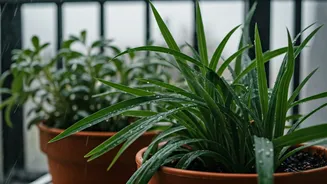
Your work isn’t over once the rain stops. Regularly check your balcony for standing water, especially in pot saucers or decorative containers, to prevent mosquito breeding. After a particularly heavy downpour, inspect your plants for damage. Remove any broken leaves or stems to prevent rot and disease. This is also a good time to check for pests like slugs and snails, which become more active in damp weather. Hold off on fertilising right after heavy rain, as excess nutrients can be easily washed out of the soil.