



The Hidden Dangers on Your Daily Route
The world under your dog's paws is more hazardous than it looks. In India, scorching summer asphalt can cause painful burns on their sensitive pads. A simple test is to place the back of your hand on the pavement for seven seconds; if it's too hot for you,
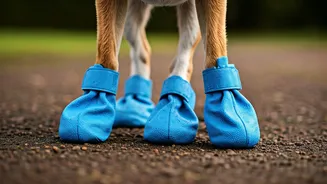
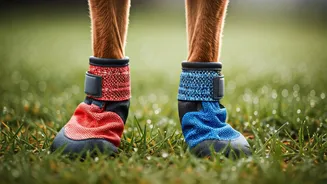
it's too hot for them. Beyond heat, city sidewalks can be littered with sharp debris like broken glass or small stones that can cause cuts and infections. These everyday risks are often invisible but can lead to significant discomfort and injury. Booties create a necessary barrier, providing a layer of protection that turns a potentially risky walk into a safe adventure.
Why 'Waterproof' Is a Game-Changer
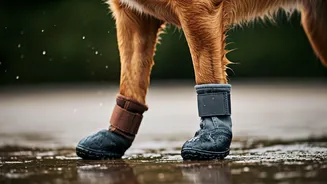
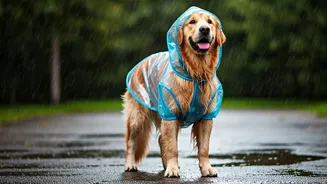
During the monsoon season or even after a brief shower, puddles and mud are unavoidable. Waterproof booties are essential for keeping your dog's paws dry and clean. Constantly wet paws are a breeding ground for fungal and bacterial infections, which can develop in the delicate skin between their paw pads. Dry paws are healthy paws, and booties prevent the prolonged dampness that can lead to irritation and soreness. Furthermore, they offer the practical benefit of keeping your home and car much cleaner by preventing muddy paw prints from being tracked inside.
More Than Just Weather Protection
The benefits of dog booties extend beyond shielding them from weather. For senior dogs or those with mobility issues, booties with non-slip soles can provide much-needed traction on slick surfaces like tiled floors or wet pavement, preventing slips and falls. They also act as a shield against allergens like pollen and grass, which can cause skin irritation for sensitive dogs. For dogs recovering from a paw injury, a bootie can protect the bandaged area, keeping it clean and preventing the dog from licking the wound, which aids in a faster recovery.
How to Find the Perfect Fit Online
Buying shoes without trying them on is tricky, and it's no different for dogs. Accurate measurement is key to finding a comfortable bootie that stays on. Have your dog stand on a piece of paper with their full weight on the paw you're measuring. Mark the widest part of the paw on both sides and measure the distance. Then, mark the longest toenail and the back of the paw pad for the length. Since front paws are often wider than back paws, be sure to measure both. When you're between sizes, it is almost always better to choose the larger size for comfort. Check the manufacturer’s sizing chart carefully, as sizes can vary between brands.
Getting Your Dog Used to Their New Shoes
Most dogs are not immediate fans of wearing boots. The key is a gradual and positive introduction. Start by simply letting your dog sniff the new booties and reward them with treats for their curiosity. Then, try putting on just one boot for a few seconds, offering praise and another treat, then take it off. Slowly increase the duration and the number of boots over several short sessions. Practice walking indoors first to let them get used to the sensation in a familiar environment. Once they seem comfortable, you can head outside for a short walk, using toys and treats as a happy distraction. Patience and positive reinforcement will help them associate booties with a fun experience.