

A Statement of Identity and Pride
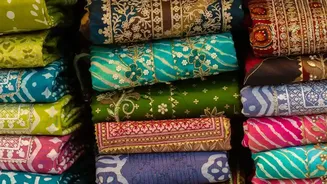
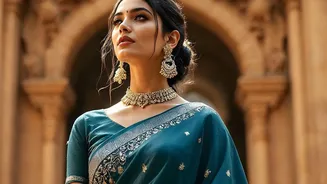
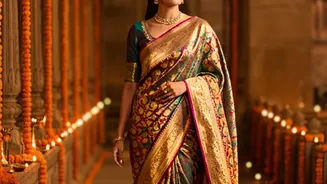
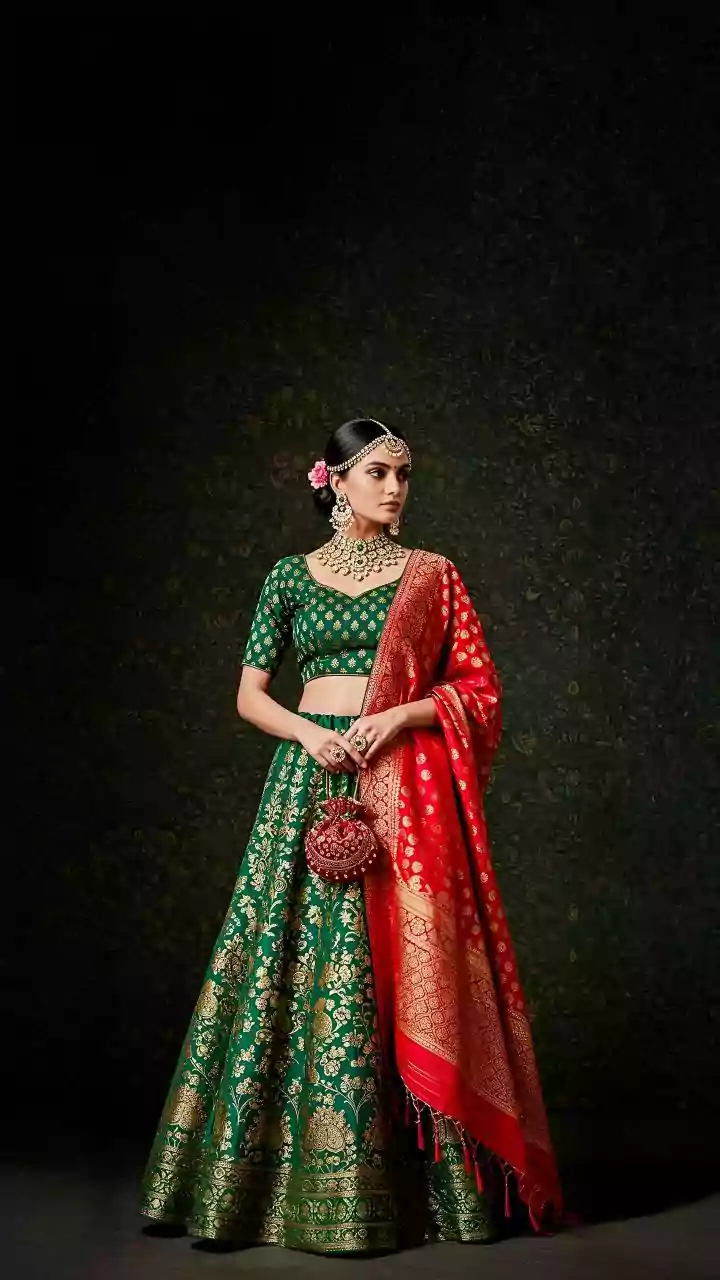
For many young Indians, choosing handloom is a way to connect with their roots. In a world of globalised fast fashion, wearing a fabric like a Banarasi silk, a Sambalpuri Ikat, or a fine Chanderi is a statement of individuality and cultural pride. These
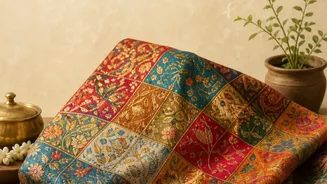
textiles are not just garments; they are stories woven with the history and artistry of a specific region. This choice moves beyond mere aesthetics, becoming a celebration of India's diverse craft heritage. Unlike mass-produced items, the subtle variations in a handwoven piece make it unique, appealing to a generation that values authenticity. It's a way of wearing one's heritage with a modern confidence that feels both personal and deeply rooted.
The Conscious Choice for Sustainability
The growing awareness around the environmental impact of fast fashion is a significant driver behind the handloom revival. Younger consumers are increasingly asking questions about where their clothes come from and who made them. Handloom production, with its smaller-scale, human-powered processes and frequent use of natural fibres and dyes, offers a compelling sustainable alternative. By investing in a handwoven piece, consumers are supporting a less wasteful mode of production and often contributing directly to the livelihood of artisan communities. This shift from disposable trends to timeless, durable garments aligns with a broader move towards conscious consumption and 'slow fashion', where quality and longevity are prized over quantity.
Redefining 'Traditional' with Modern Styling
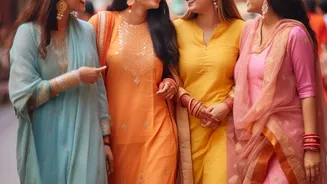
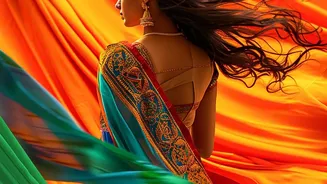
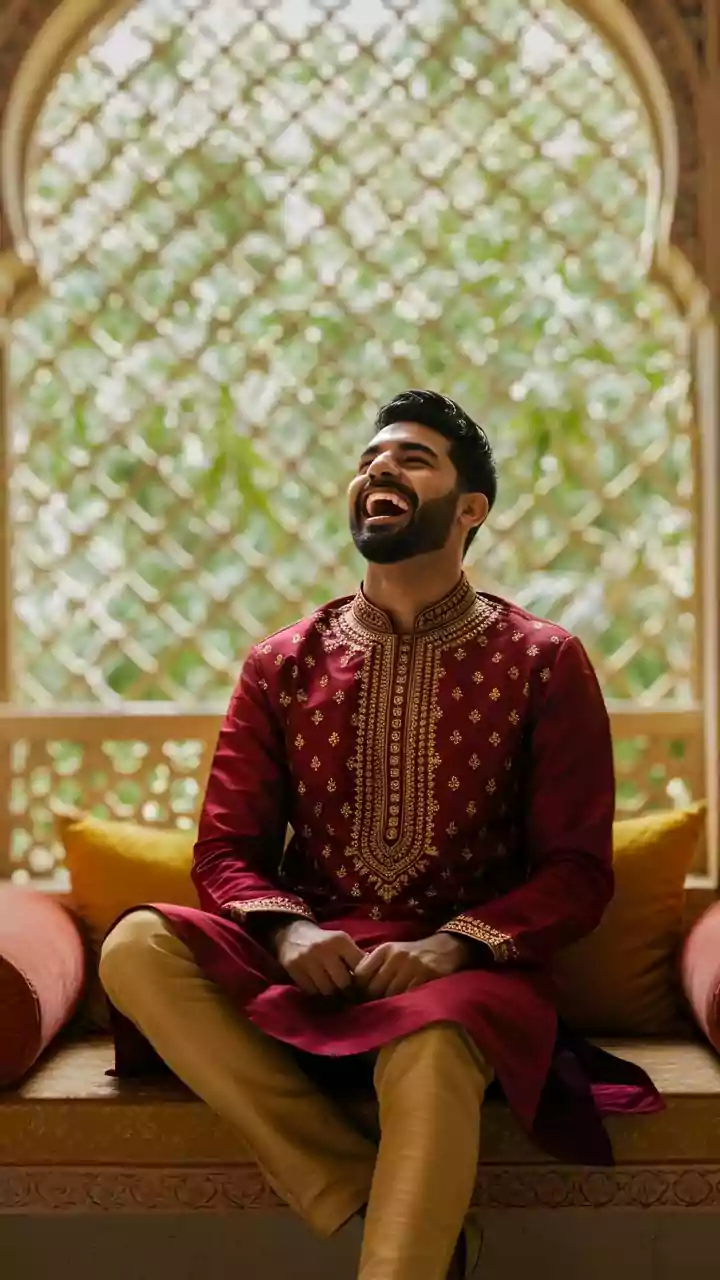
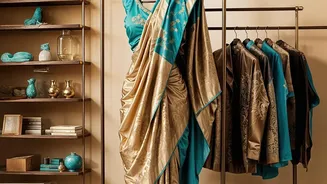
One of the biggest reasons for handloom's renewed popularity is that it is no longer confined to 'ethnic wear' for older generations or grand weddings. Young people and contemporary designers are creatively reinterpreting these fabrics for modern life. A handloom saree might be paired with sneakers and a minimalist blouse, an Ajrakh print fabric can be fashioned into a trendy jacket, or a Khadi kurta is styled with jeans. Social media platforms like Instagram are filled with influencers showcasing innovative ways to drape and style traditional textiles, making them feel accessible and versatile for everything from a festive puja to a casual brunch. This fusion of classic craft with contemporary silhouettes proves that handloom can be both timeless and perfectly on-trend.
The Power of Digital Storytelling
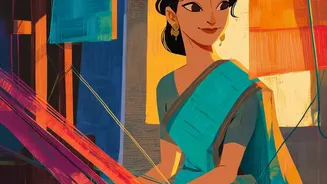
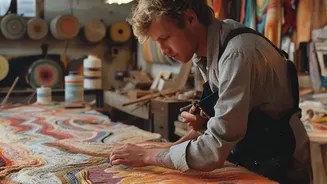
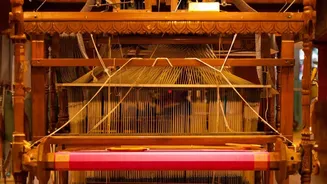
Digital platforms have been instrumental in bridging the gap between weavers and young, urban consumers. Social media allows artisans and brands to share the story behind each textile, showcasing the intricate processes and the skilled hands that create them. This narrative of craftsmanship and heritage resonates strongly with buyers looking for a deeper connection to their purchases. E-commerce platforms have also made it easier than ever to access authentic handloom products from different parts of the country, eliminating intermediaries and allowing for direct-to-consumer sales. This digital ecosystem not only promotes the fabrics but also educates a new audience about the value and beauty of these crafts, transforming them from a niche interest into a mainstream movement.