




The Challenge with Today's Batteries
For years, the electric vehicle revolution has been powered by lithium-ion batteries. They are relatively lightweight and pack a decent punch, making them the standard choice for everything from smartphones to electric scooters. However, they have well-known
limitations. The primary concern is safety. Lithium-ion batteries contain a flammable liquid electrolyte which, if damaged or faulty, can lead to a dangerous condition called 'thermal runaway'. This is an uncontrollable overheating process that can cause fires and even explosions, a risk that has been a significant point of concern for potential EV buyers. Beyond safety, there's the cost. Key materials like lithium, cobalt, and nickel are not only expensive but also have complex supply chains, which contributes significantly to the final price of an EV scooter. In India, the battery can make up as much as 40% of the vehicle's total cost, creating a major barrier to widespread adoption.
Enter Sodium-Ion: The Affordable Alternative
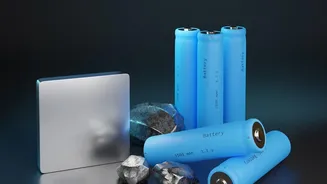
One of the most promising next-generation technologies is the sodium-ion battery. As the name suggests, it uses sodium instead of lithium. The biggest advantage? Sodium is one of the most abundant and cheapest elements on Earth — it's literally found in table salt. This drastically reduces the reliance on expensive and geographically concentrated materials, paving the way for significantly cheaper battery packs. From a safety perspective, sodium-ion chemistries are inherently more stable. Many designs are non-flammable and better at handling temperature fluctuations, which reduces the risk of thermal runaway that plagues some lithium-ion cells. While early versions had lower energy density—meaning less range for the same size battery—the technology is rapidly improving, making it an ideal candidate for cost-effective urban commuters and electric two-wheelers where extreme range is not always the top priority.
Solid-State: The Future of Safety and Performance
If sodium-ion is the practical, cost-effective contender, then solid-state is the high-performance champion in waiting. The key innovation in solid-state batteries is the replacement of the liquid electrolyte with a solid material, like a ceramic or polymer. This simple change has massive implications for safety. With no flammable liquid to leak or ignite, the risk of fire is virtually eliminated. This makes them fundamentally safer than their liquid-filled counterparts. Beyond safety, solid-state technology promises a leap in performance. These batteries can have a much higher energy density, meaning they can store more power in a smaller, lighter package. For an EV scooter, this could translate to a much longer range without needing a bigger, heavier battery. They also have the potential to charge faster and last for more cycles, offering a longer lifespan than current batteries. The main hurdle right now is manufacturing cost and scale, but as production techniques mature, solid-state batteries are expected to become a game-changer.
What This Means for the Indian Rider
The transition to these new battery technologies will have a direct and tangible impact on Indian consumers. The immediate benefit of sodium-ion batteries will be a drop in the upfront cost of electric scooters, making them accessible to a much broader audience. The enhanced safety of both sodium-ion and solid-state batteries will build greater consumer trust, addressing one of the biggest hesitations for first-time EV buyers. Furthermore, innovations are not just limited to chemistry. Advanced Battery Management Systems (BMS) are becoming the 'brains' of the battery pack. These smart systems constantly monitor cell temperature, voltage, and health, predicting faults before they happen and optimising performance for Indian road and climate conditions. As local manufacturing of these advanced batteries and systems ramps up, India's dependence on imported cells will decrease, further stabilising prices and strengthening the entire EV ecosystem.