
The Celestial Main Events
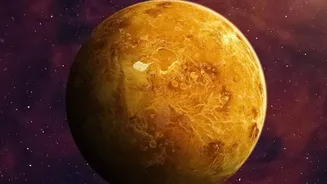
September 2026 is a special month for sky-watchers. The two brightest objects in our night sky, after the Sun, are putting on a show. First is Venus, our planetary neighbour. Often called the "Evening Star," it will reach its peak brightness for the year
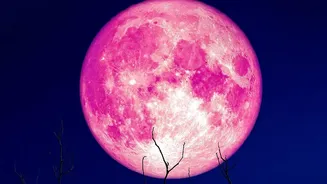
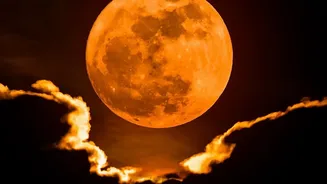
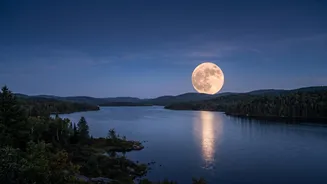
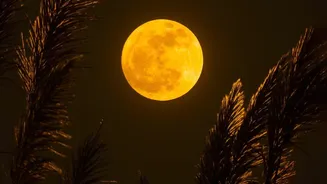
this month, making it incredibly easy to spot. It will appear as a stunning, beacon-like light in the western sky shortly after sunset. The second headliner is the full Harvest Moon. This is the full moon that falls closest to the autumnal equinox. Historically, its bright light helped farmers harvest their crops late into the evening. This year, it graces our skies in late September, appearing larger and more golden when it's near the horizon due to a fascinating optical effect known as the Moon illusion.
Mark Your Calendar: Key Dates
Timing is everything for stargazing. For Venus, the entire month is promising, but there are a few dates to circle. On the evening of September 14, a beautiful waxing crescent moon will appear very close to Venus, creating a breathtaking pair in the western sky just after sunset. Then, on September 18, Venus reaches its greatest brilliancy, shining at its most luminous for 2026. Look for it in the west as twilight begins to fade. The main event for moon-gazers is the Harvest Moon on the night of Saturday, September 26. While the moon becomes technically full during the day in North America, it will appear perfectly full to the naked eye that evening and the next. For observers in India, the peak illumination occurs at 10:19 pm IST on September 26, making for perfect night-time viewing. Be sure to watch as it rises around sunset, which is when it will look most dramatic. On that night, the planet Saturn will also be visible, following the Moon across the sky.
Find Your Perfect Viewing Spot
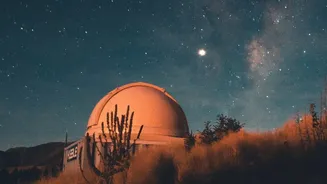
To get the best view, you need to escape the glare of city lights. Light pollution washes out all but the brightest celestial objects. Find a location with a clear, unobstructed view of the horizon, especially towards the west for spotting Venus and the east for the moonrise. National parks, rural areas, or even large local parks can be great options. The darker the sky, the more you'll see. Venus is so bright it can often be seen even from urban areas, but a dark sky will make the experience much more immersive. The Harvest Moon will also appear more brilliant against a truly dark backdrop. For the best chance to see fainter stars and even the Milky Way, plan your trip around the New Moon on September 11-12, when the sky is at its darkest.
Pack Your Stargazing Essentials
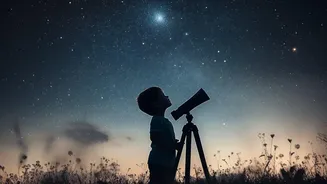
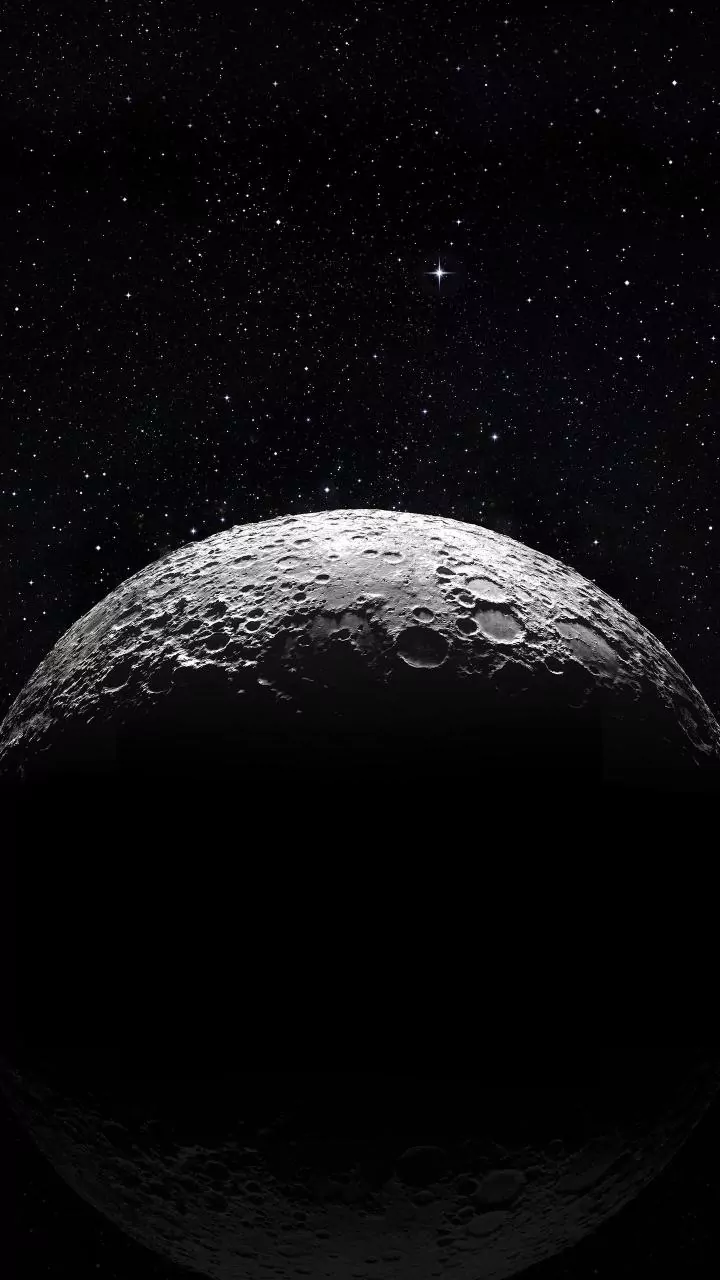
You don’t need expensive equipment to enjoy the show, but a few items can enhance your experience. A pair of binoculars is a fantastic tool for getting a closer look at both Venus and the Moon. Through binoculars, you may even be able to see that Venus has phases, much like our Moon. You can also see more details on the lunar surface, like its craters and plains. Comfort is key for a successful stargazing night. Bring blankets or portable chairs to sit on. September nights can get chilly, so pack warm layers of clothing, hats, and gloves. A thermos of hot chocolate or tea can be a welcome treat. Pack some snacks and water as well. Finally, consider downloading a stargazing app on your phone. Apps like Stellarium or Star Walk can help you identify planets, stars, and constellations in real-time. Just be sure to use the app's 'red light' mode to preserve your night vision.