








The Price vs. Punctuality Puzzle
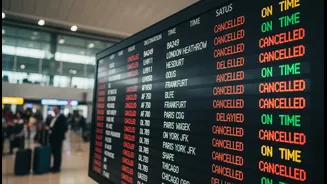
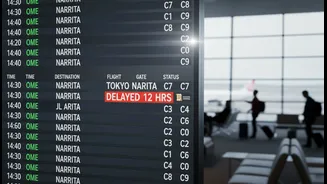
For years, the Indian domestic flight market has been dominated by a singular focus on price. Travellers diligently compare fares across multiple platforms, hunting for the best deal. But a cheap ticket can come at a hidden cost: a day wasted at the airport
due to delays, a missed connection, or the cancellation of a crucial business meeting. This is where On-Time Performance (OTP) data enters the picture. It provides a quantifiable measure of an airline's reliability, offering a critical metric beyond the ticket price. For business travellers, and even leisure flyers on a tight schedule, knowing that an airline consistently departs and arrives on time can be worth paying a small premium. The challenge, however, is accessing and understanding this data in a meaningful way.
Decoding On-Time Performance
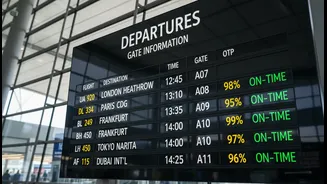
On-Time Performance, or OTP, is the industry standard for measuring punctuality. In India, the Directorate General of Civil Aviation (DGCA) is the official scorekeeper. A flight is considered 'on-time' if it departs from the gate within 15 minutes of its scheduled departure time. The DGCA publishes monthly reports detailing the OTP of scheduled domestic airlines, giving consumers a powerful tool to assess performance. This data isn't just a marketing claim; it's a measured and audited metric that reveals which airlines are most successful at managing their complex operations. Factors like efficient aircraft turnaround, smart scheduling, and resilience to network disruptions all contribute to a higher OTP.
India's Punctuality Scorecard
According to recent DGCA data, a clear hierarchy in punctuality has emerged among Indian carriers. IndiGo has consistently led the pack, with OTP figures often hovering between 80-85%. Newcomer Akasa Air has also established itself as a reliable operator, frequently posting OTP figures in the 78-82% range. The revamped Air India, as part of its transformation, has shown significant improvement, with its group OTP typically falling between 70-78%. SpiceJet's performance has been more variable, with figures generally in the 65-72% range. It is worth noting that external factors like the monsoon season can shave 5-10 percentage points off these figures, while winter fog in North India can also cause significant disruptions. These numbers provide a solid baseline for any flyer looking to understand the operational discipline of different airlines.
Why The Numbers Don't Tell The Whole Story
While DGCA's data is invaluable, it has limitations. Firstly, the official OTP metric is based on performance at a limited number of major metro airports, which handle about 60% of traffic. Performance on routes connecting Tier-2 and Tier-3 cities may not be fully captured in these headline figures. Secondly, the definition of 'on-time' is based on departure within 15 minutes, not arrival. Airlines have also been known to 'pad' their schedules—allocating more time for a flight than it actually takes—to more easily meet OTP targets. This means a flight may arrive 'on-time' according to a lengthened schedule, even if it spent extra time on the tarmac or in the air. Finally, the data has historically been manually compiled and submitted by airports, which has led to disputes and accusations of fudging in the past.
Making Smarter Choices as a Flyer
Despite its imperfections, OTP data is a powerful tool for the informed traveller. Before booking a critical flight, it's wise to look beyond the fare and consult the latest DGCA monthly reports. While this information isn't always integrated into booking websites, a quick search can reveal which airlines have been most reliable in recent months. Research has shown that on-time performance is a key driver of passenger satisfaction and loyalty. By paying attention to punctuality, travellers not only increase their chances of a smoother journey but also send a message to the industry. When consumers start making choices based on reliability, it incentivises all airlines to invest in the operational efficiency needed to improve their punctuality, creating a more dependable aviation ecosystem for everyone.