



The Incredible Shrinking Home
Across India's major cities, the square footage of the average apartment is contracting. Driven by soaring real estate prices and shifting demographics, developers are building more compact units to keep homes affordable. For instance, cities like Bengaluru
and Pune have seen significant reductions in average apartment sizes over the past few years. This isn't just a budget-segment phenomenon; even mid-range and premium properties are being designed more efficiently. This reality has forced a major rethink in how we perceive and design our living spaces. The challenge is no longer how to fill a large space, but how to make a smaller one feel functional, comfortable, and luxurious.
Practicality is the New Premium
In this new landscape, luxury is less about sheer extravagance and more about thoughtful functionality. Homeowners and designers are prioritising clever solutions that make everyday life easier and more elegant within a limited footprint. The new status symbols aren't oversized chandeliers or bulky furniture, but bespoke storage that disappears into a wall, or a dining table that magically expands to host guests. This shift marks a move from a 'design to impress' mindset to a 'design to live' philosophy, where comfort, convenience, and personal well-being are the ultimate luxuries. It’s about quality over quantity, with an emphasis on how a space feels and functions rather than just how it looks.
The Rise of Multi-Functional Magic
The hero of the modern compact home is undoubtedly multi-functional furniture. Once considered a compromise, these adaptable pieces are now celebrated for their ingenuity and style. Think sofa-beds that are genuinely comfortable, wall-mounted tables that fold away after dinner, and coffee tables with hidden storage compartments. Beds with hydraulic lifts reveal cavernous storage for linens and seasonal items, while wall beds (or Murphy beds) can transform a bedroom into a home office or yoga studio in seconds. This trend is a direct response to the need for homes to serve multiple purposes—as offices, gyms, and social hubs—often within the same room.
Smart Storage as a Design Statement
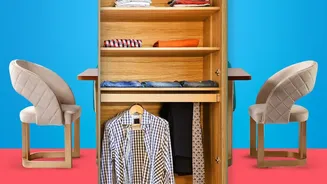
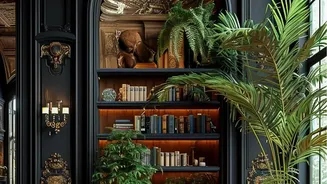
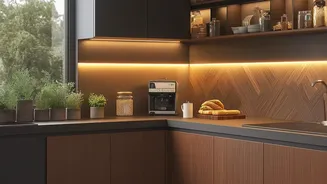
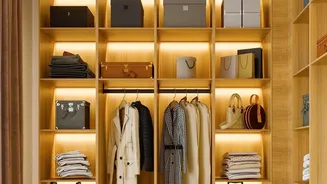
In a smaller home, clutter is the enemy of calm. That's why intelligent storage has become a cornerstone of practical luxury. Instead of standalone cupboards that eat up floor space, the focus is on integrated, custom solutions. Floor-to-ceiling wardrobes with sliding doors, for example, maximize vertical space without obstructing movement. Designers are finding and utilizing every forgotten nook and cranny—the space under the stairs, the area above a doorway, or a slim partition wall can all be converted into elegant storage. A well-organised home where everything has its place feels inherently more luxurious, and seamless, handle-less cabinetry is often used to make storage blend into the background.
Light, Materials, and the Illusion of Space
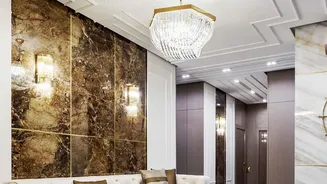
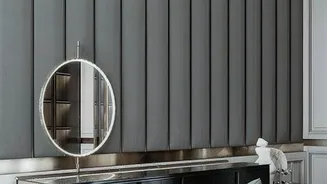
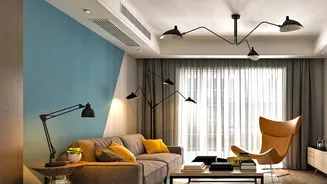
When you can't add square footage, you can create the feeling of it. Luxury in compact homes is often achieved through a careful selection of materials and a sophisticated approach to lighting. Light, neutral colour palettes—think whites, beiges, and soft greys—are used to make spaces feel brighter and more open. Mirrors are strategically placed to create an illusion of depth. Rather than filling a room with many small decorative items, designers are focusing on the quality of the core finishes. Premium materials like natural stone, solid wood, and high-quality laminates, used with restraint, provide a sense of richness without overwhelming the space. Layered lighting, combining general, task, and accent lights on dimmers, allows homeowners to change the mood and focus of a room instantly.