




The Andaman Islands: A Diver’s Paradise
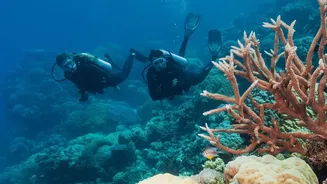
The Andaman and Nicobar Islands are India’s undisputed capital of underwater exploration. With crystal-clear waters offering visibility up to 45 meters, the archipelago is a dream for both beginners and seasoned divers. Havelock Island (Swaraj Dweep)
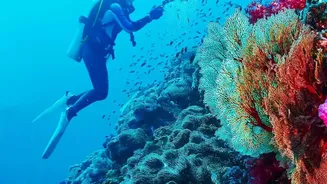
and Neil Island (Shaheed Dweep) are the main hubs, boasting numerous dive sites teeming with life. Divers can expect to see everything from vibrant corals and schools of colourful fish to majestic manta rays and sea turtles. Some famous dive sites include Lighthouse, Mac Point, and Dixon's Pinnacle. The best season to visit is between October and May, when the seas are calm and the weather is ideal for diving.
Lakshadweep’s Pristine Lagoons
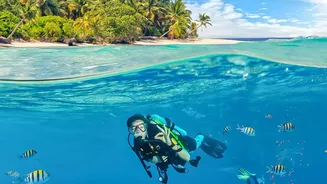
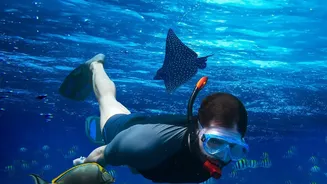
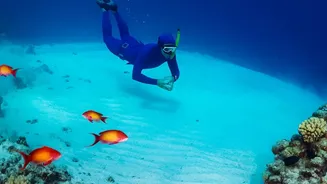
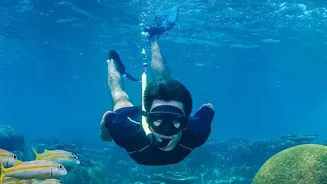
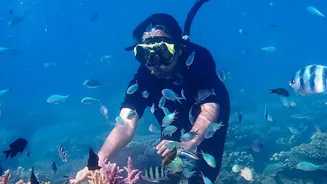
For those seeking tranquility and untouched beauty, the coral atolls of Lakshadweep are a must-visit. This archipelago is known for its calm, shallow lagoons, making it an excellent destination for snorkeling and beginner dives. Islands like Kadmat, Kavaratti, and Bangaram offer stunning coral gardens and rich marine biodiversity, including turtles, rays, and a variety of tropical fish. Unlike the Andamans, Lakshadweep’s charm lies in its relative isolation, which has helped preserve its pristine underwater environment. The season here generally runs from September to May, when conditions are most favourable.
Exploring the Mainland Coast
You don’t have to travel to an island to experience India’s underwater wonders. The country's extensive coastline offers several fantastic diving and snorkeling spots. Goa is a popular choice, with sites like Grande Island offering wreck dives such as Suzy's Wreck. Further south, Netrani Island in Karnataka, also known as Pigeon Island, is a heart-shaped island famous for its clear waters and diverse marine life, with occasional whale shark sightings. On the east coast, Pondicherry has emerged as a key diving destination with its unexplored reefs. Even Kerala is gaining recognition, with Kovalam offering clear waters to spot species like pufferfish and moray eels.
Adventures for Everyone, Not Just Swimmers
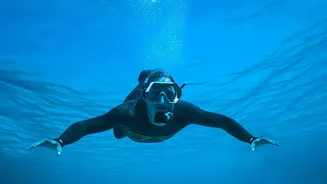
A common misconception is that you need to be a strong swimmer to enjoy the ocean's depths. This is no longer true, thanks to a variety of accessible activities. Sea walking, first introduced in India in the Andamans, allows participants to walk on the seabed wearing a special helmet that provides a continuous supply of air. It requires no swimming skills and is open to people of various ages, making it a perfect family activity. Similarly, Discover Scuba Diving programs are specifically designed for beginners and non-swimmers, with a dedicated instructor guiding you every step of the way in a safe, controlled environment. These experiences have made the underwater world accessible to a much broader audience.
More Than a Holiday: Gaining a Skill
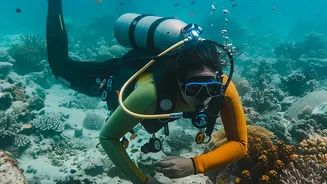
The growing interest in underwater activities has also led to a rise in people pursuing certifications. Dive shops across India offer courses from internationally recognized organizations like PADI and SSI. The PADI Open Water Diver course, for instance, is an entry-level certification that qualifies you to dive up to 18 meters anywhere in the world. For many, a holiday is now an opportunity to learn a new skill, transforming a simple vacation into a journey of personal growth. This trend reflects a broader shift in travel preferences, where experiences and skill acquisition are valued as much as relaxation and sightseeing.