
The Comfort Food Championship
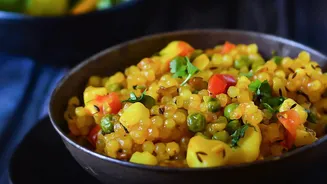
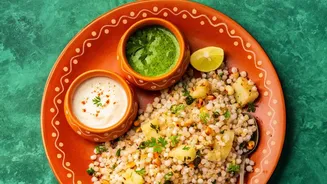
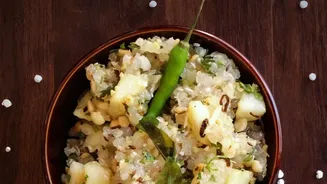
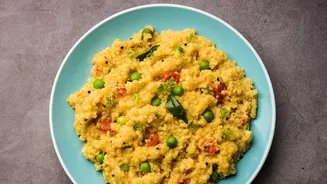
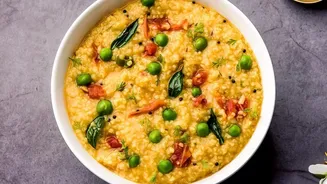
In the world of Indian comfort food, few dishes are as beloved or trusted as Dalia and Khichdi. Both are go-to meals when feeling unwell, seeking a light dinner, or trying to eat healthy. Dalia, made from cracked wheat, is a rustic porridge often cooked
sweet or savoury. Khichdi is a versatile one-pot dish of rice and lentils, most commonly moong dal, celebrated for its easy digestibility. They share a reputation for being 'good for you', but their nutritional profiles are distinct, making them suitable for different dietary goals. Understanding these differences is the first step, but the real secret to leveraging their benefits lies in the portion you serve on your plate.
The Case for Dalia: High Fibre and Low GI
Dalia's primary strength is its composition as a whole grain. Made from cracked wheat, it retains a high amount of dietary fibre. A 100-gram serving of uncooked wheat Dalia contains roughly 12 grams of protein and about 10 grams of fibre. This high fibre content is excellent for digestive health, promoting regular bowel movements and keeping you feeling full for longer, which aids in weight management. Furthermore, Dalia has a low glycemic index (GI), meaning it releases sugar into the bloodstream slowly. This provides sustained energy and helps prevent the sharp blood sugar spikes that can lead to cravings, making it a particularly good choice for individuals managing diabetes.
The Case for Khichdi: A Complete Protein
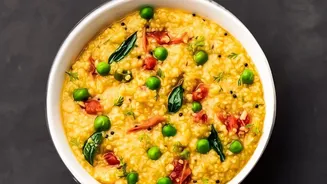
Khichdi’s magic lies in the combination of cereal (rice) and pulse (lentils). This pairing creates a 'complete protein', providing all nine essential amino acids that the body cannot produce on its own. A typical bowl of moong dal khichdi is incredibly easy to digest, which is why it's a staple recovery food. While often lower in fibre than Dalia, its nutritional value can be significantly boosted by adding a variety of vegetables. Nutritionally, a cup of vegetable khichdi can contain around 150 calories and 5-7 grams of protein, making it a light yet satisfying meal. However, its glycemic index can be a concern. Depending on the type of rice used—white rice having a higher GI than brown rice—it can cause a quicker rise in blood sugar compared to Dalia.
Preparation and Customisation Matter
Neither Dalia nor Khichdi exists in a vacuum. Their healthiness is dramatically influenced by how they are prepared. A simple Dalia cooked in water with minimal salt is vastly different from one loaded with sugar and ghee. Similarly, a Khichdi made with polished white rice and a large dollop of butter will have a different nutritional impact than one made with brown rice, more lentils, and plenty of vegetables. Adding vegetables boosts the fibre, vitamin, and mineral content of both dishes, while the amount and type of fat (ghee, oil) used can significantly alter the calorie count. Therefore, a 'healthy' choice can quickly become less so based on these additions.
The Real Decider: It’s All About Portion Size
This brings us to the most crucial factor: portion control. Even the healthiest food can contribute to weight gain if consumed in excessive quantities. While Dalia is low on the glycemic index, a large bowl still contains a significant amount of carbohydrates that can raise blood sugar. The concept of a 'healthy meal' is undermined by the large serving sizes common in Indian food culture, where hospitality is often expressed through heaping plates. A standard, healthy portion for either Dalia or Khichdi is about one medium-sized bowl (approximately 200–240g). Using smaller plates can create the illusion of a full meal, helping to satisfy you mentally with a smaller quantity. The best approach is to fill half your plate with vegetables, a quarter with a protein source, and only a quarter with a carbohydrate source like Dalia or Khichdi.